Last updated November 17, 2026
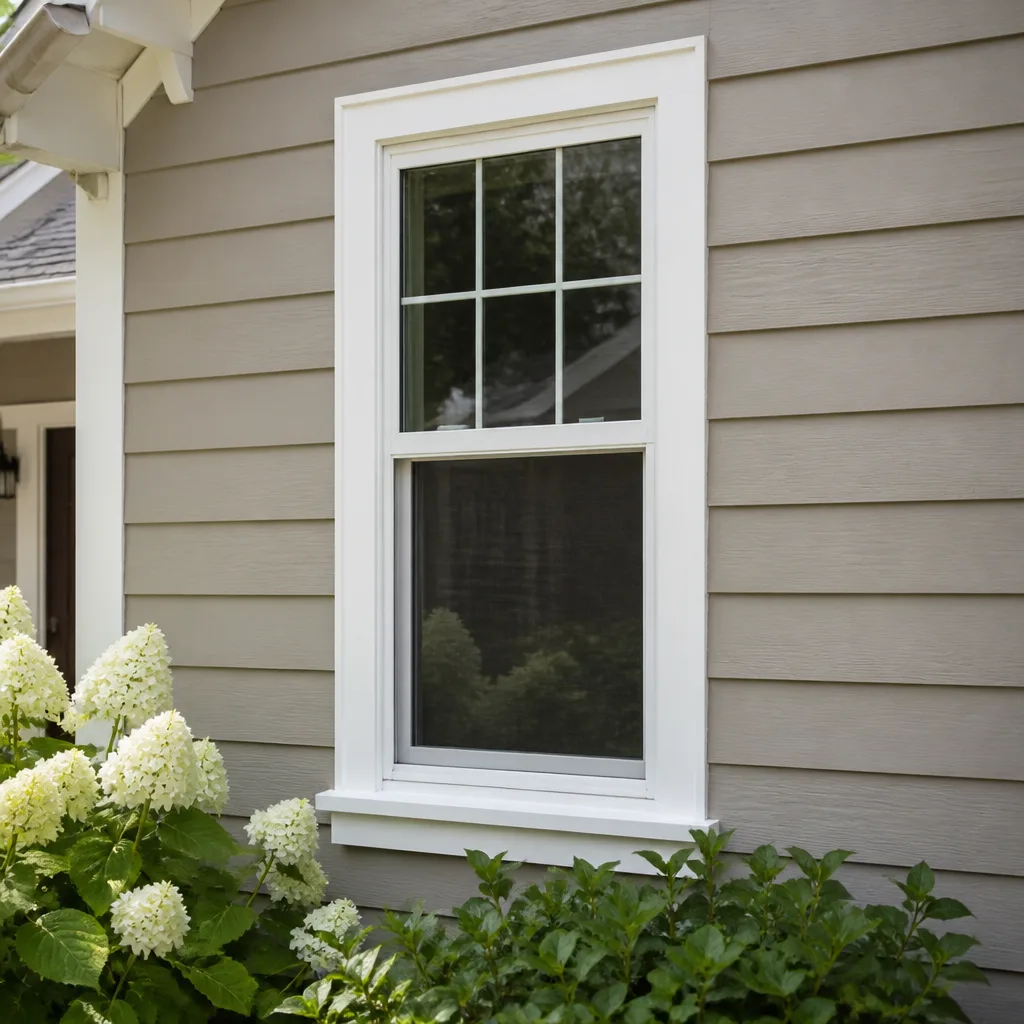 Single hung
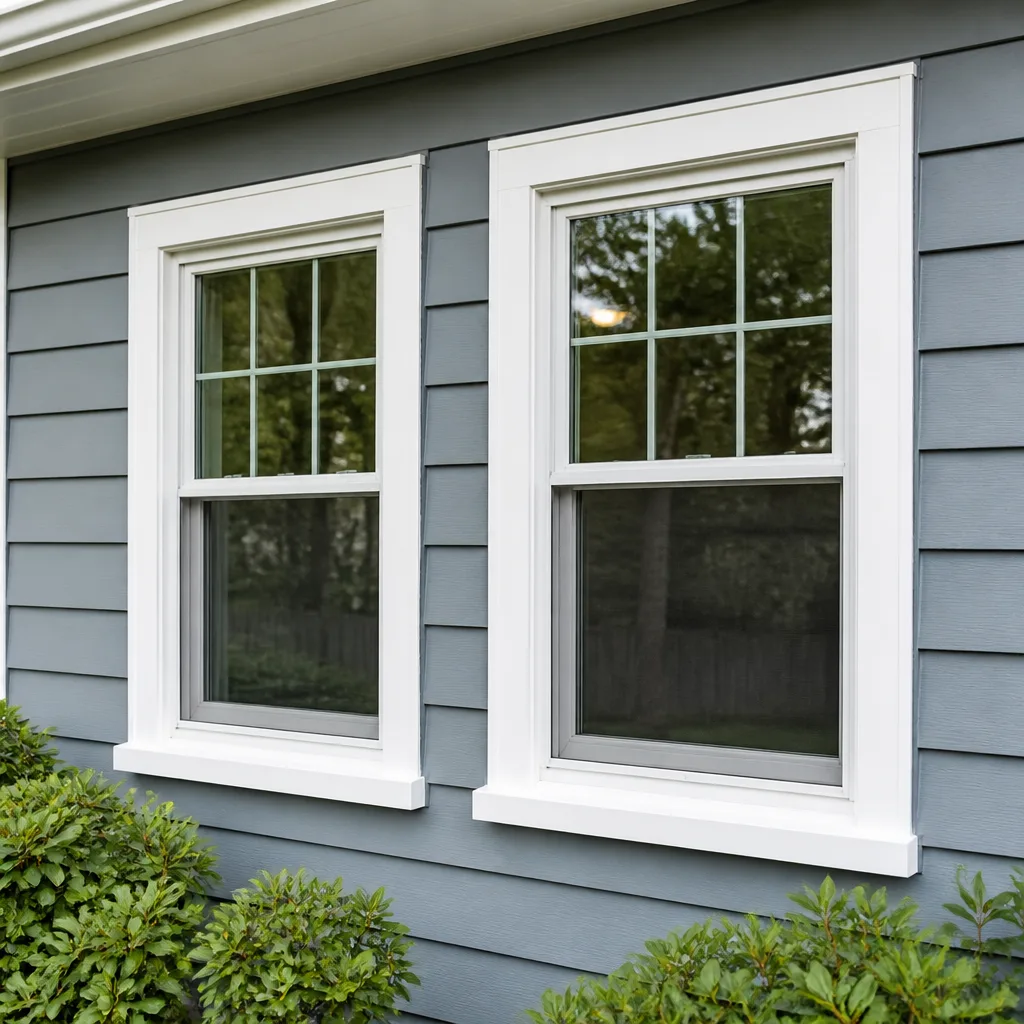 Double hung
 Horizontal roller
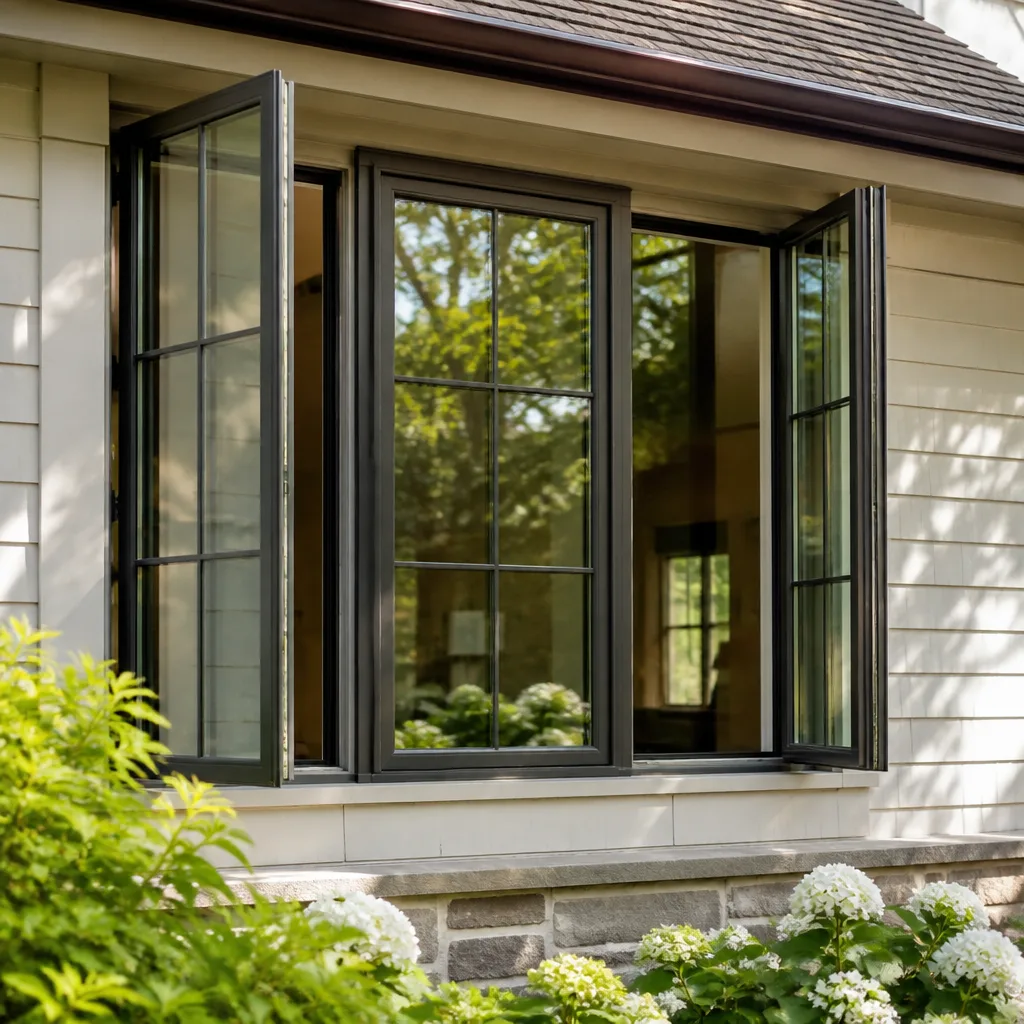 Casement
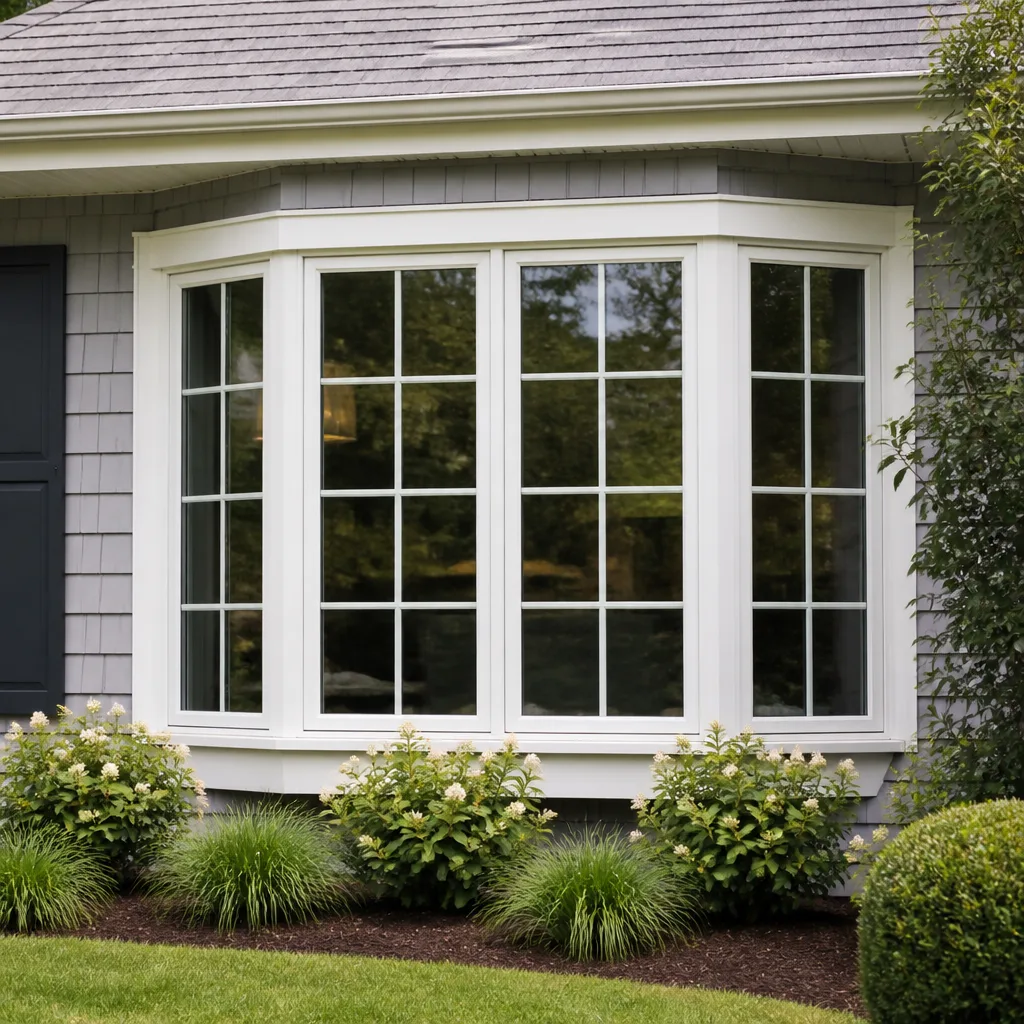 Bay & bow
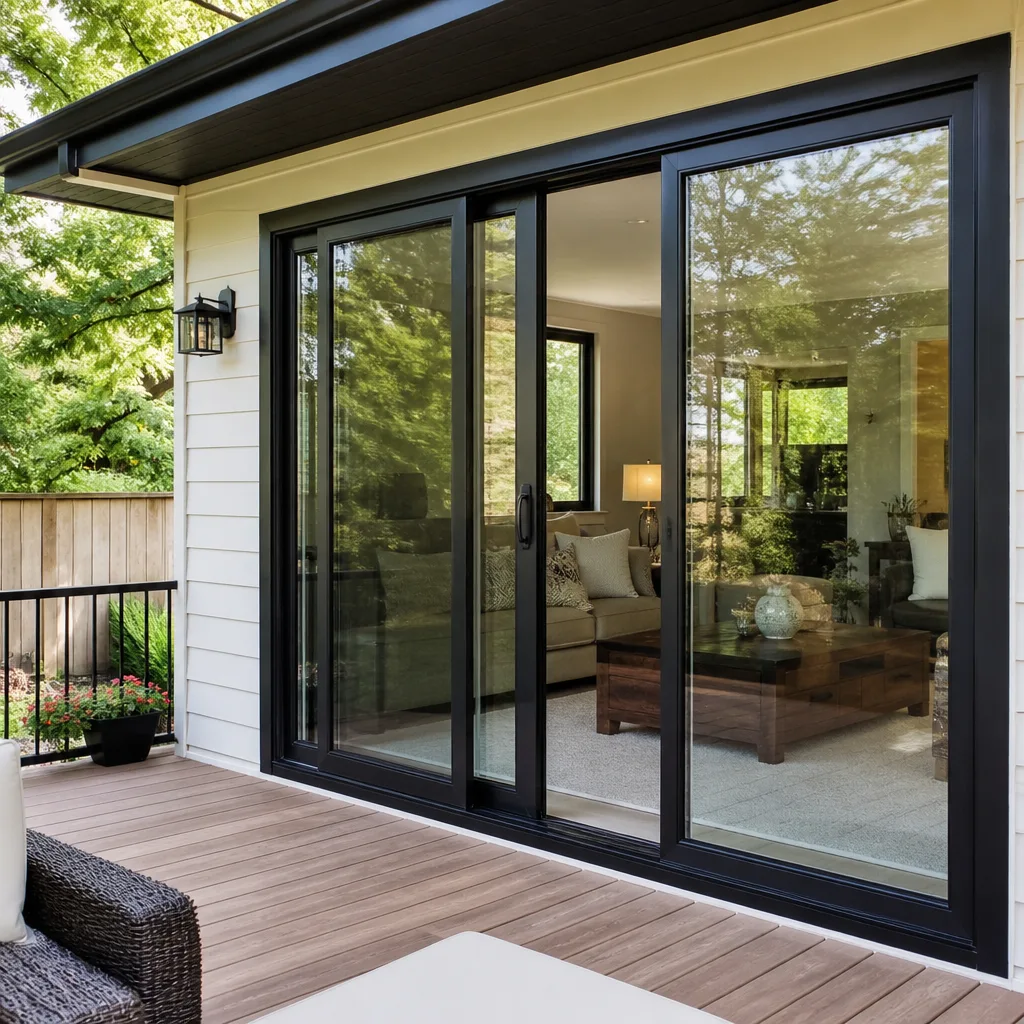 Sliding glass doors
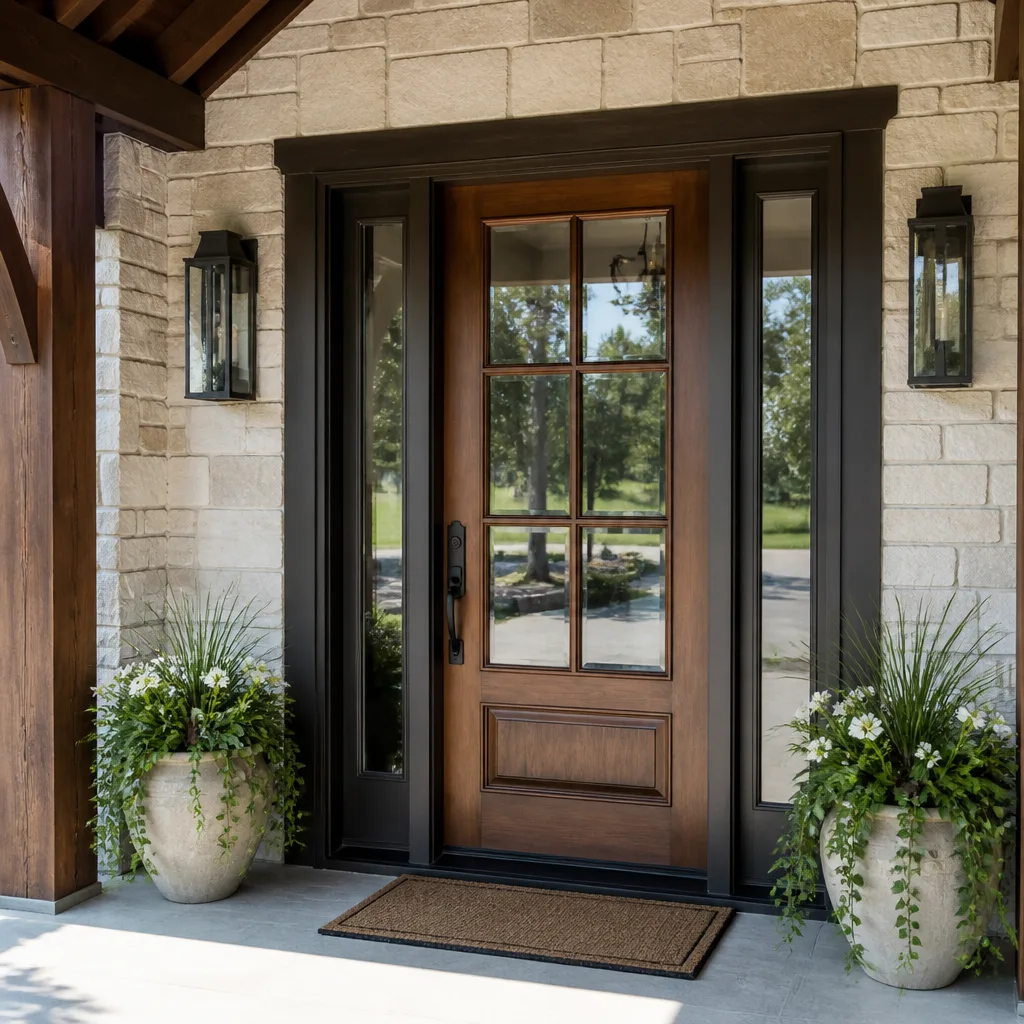 Entry doors
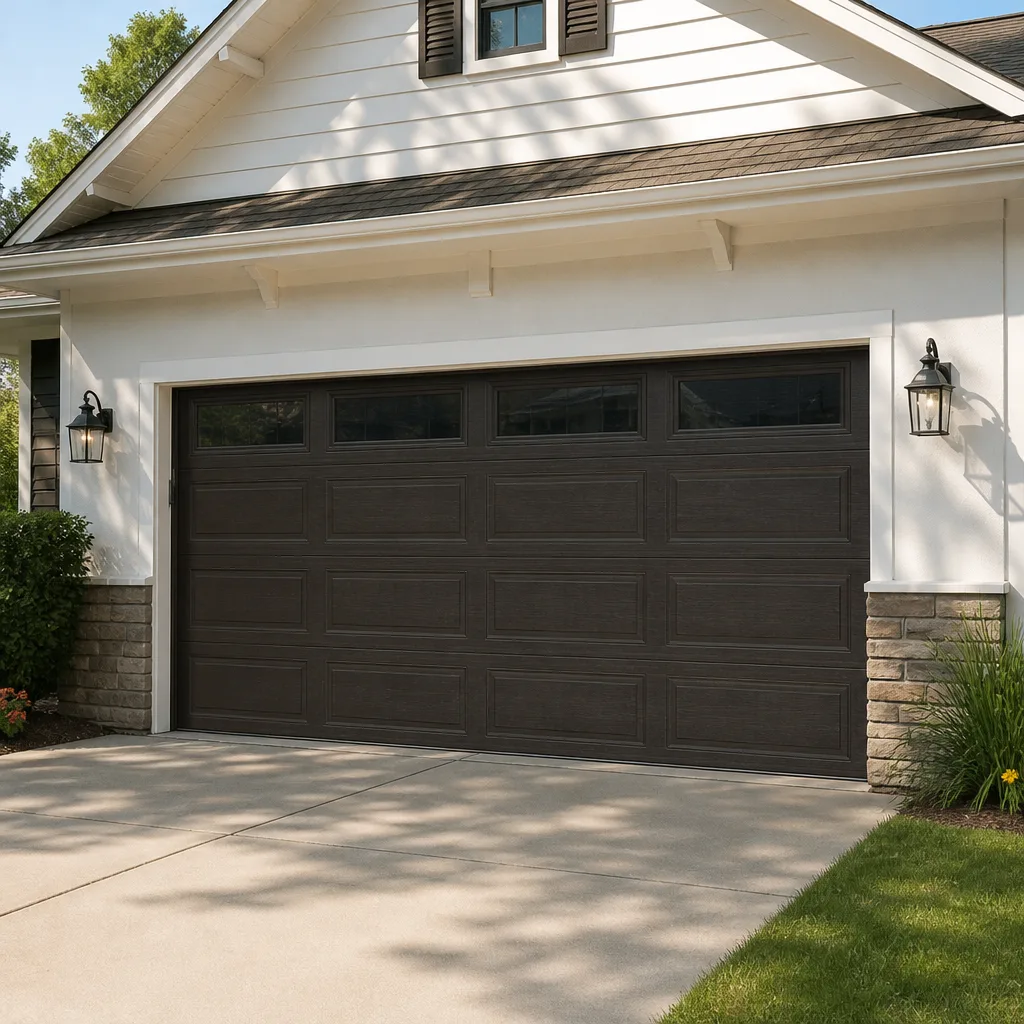 Impact garage doors
 PGT
 CGI
Free in-home measure and quote - PGT, CGI and CWS impact lines compared on your actual openings, style by style
Get your free estimateWindow Replacement Troubleshooting in Paradise: Common Problems and How to Fix Them
If your windows are fogging between the panes, the glass itself isn’t the culprit. The insulated glass unit’s seal failed, and in Paradise the usual reason is that aluminum spacers expand and contract at a different rate than the frame material through 115°F summer cycles. That gap in behavior is what starts most of the window trouble we get called about, and it’s also why so many homeowners end up buying full replacements when a glass swap or a re-flash would have solved the problem. This guide walks you through a problem-first diagnostic path: what each symptom actually means in a desert climate, what the realistic fix is, and when replacement is genuinely the right call.
Quick Answer
Most window problems in Paradise come down to three root causes: a failed insulated glass seal (fixable with glass replacement), a failed installation seal around the perimeter (fixable with re-flashing and sealing), or a structural frame issue like thermal warping (which usually means full replacement). Diagnosing which one you have before you authorize any work is the difference between a few hundred dollars in targeted repair and several thousand on a replacement that didn’t address the actual failure.
Styles & brands we work with
- Single hung
- Double hung
- Horizontal roller
- Casement
- Bay & bow
- Sliding glass doors
- Entry doors
- Impact garage doors
- PGT
- CGI
Table of Contents
- Symptom-to-Cause Diagnostic Chart for Paradise Homes
- Why Your Windows Fog Between the Panes
- Failed Glass Seal vs. Failed Installation Seal vs. Frame Failure
- Vinyl Frame Warping in Dark Colors
- What Interior Window Sweating Actually Signals in the Desert
- Sticking Sashes and Hard-to-Operate Windows
- Manufacturer Warranty Claims vs. Installation Voids
- Common Mistakes to Avoid
- When to Call a Professional
- Frequently Asked Questions
Symptom-to-Cause Diagnostic Chart for Paradise Homes
Start with the symptom. In our experience working on Paradise homes, stucco exteriors and wood-frame construction create a predictable set of failure patterns, and matching what you see to what’s likely wrong narrows your options fast. Use this as your first pass before you call anyone.
| Symptom | Most Likely Cause | Typical Fix | Scope Level |
|---|---|---|---|
| Fogging or condensation between panes | Failed insulated glass unit (IGU) seal | Glass replacement only | Targeted repair |
| Draft near the frame on a windy day | Failed perimeter seal or flashing | Re-flash and reseal the opening | Moderate repair |
| Sash sticks, won’t slide, or drags | Thermal warping of frame or sash | Replacement of unit | Full replacement |
| Moisture streaks on interior glass | Interior humidity meeting hot glass | Ventilation and humidity control | Lifestyle fix |
| Visible gap between stucco and frame | Stucco cracking or sealant breakdown | Sealant removal and re-application | Targeted repair |
| Frame visibly bowing or out of square | Structural frame failure | Full replacement with re-flash | Full replacement |
Two notes about this chart. First, symptoms can overlap; a window that fogs may also be leaking air if the installation was poorly sealed originally. Second, in Paradise the stucco-to-frame joint is a frequent weak point because stucco and window frame materials move differently under heat. A joint that looked fine in a cooler month can open up in July. When you’re evaluating a quotation, ask specifically which of these four scopes the contractor intends to address. A quote that jumps straight to full replacement without ruling out glass-only or seal-only repair deserves a second opinion.
This kind of diagnosis is one place where a specialist matters. General remodelers tend to solve everything with a new window because windows are a side job for them. Windows and doors are all we do, and that changes the conversation from “what can we sell you” to “what does this symptom actually indicate.”
Why Your Windows Fog Between the Panes
A window that fogs between the panes has a failed insulated glass unit, not condensation on the room-side surface. That distinction matters enormously because the two problems have completely different fixes and completely different costs.
Here’s what’s happening inside the glass. An insulated glass unit is two panes separated by a spacer, sealed around the edge, and filled with air or an inert gas. The edge seal is the only thing keeping moisture out. When that seal degrades, humid air migrates in, and the desiccant in the spacer eventually saturates and stops absorbing it. You see fog, haze, or a milky film that won’t clean off from either side.
In Paradise, the reason seals degrade faster than homeowners expect is thermal cycling. A window frame can swing from a cool overnight low into triple-digit daytime heat, and it does this over and over. The aluminum spacer inside the IGU and the frame material around it expand at different rates. That micro-movement stresses the edge seal at the corners, which are the most common failure point. The desert climate doesn’t cause the failure directly; it just accelerates the wear.
What you should know before you call anyone:
- Fogging between panes is not fixable by cleaning, defogging treatments, or drilling small vents. Those approaches damage the unit further.
- If the frame itself is sound and square, glass replacement is often a viable and far less expensive path than full window replacement.
- If fogging appears on multiple windows of the same age all at once, the units were likely a matched set with a shared seal batch. That’s common.
- Impact-rated products from lines like PGT and CGI have seal construction designed for harsh cycles, which is worth asking about if your fogging is recurring.
If you’re weighing the economics of a glass swap versus a new unit, it’s worth reading up on window replacement options and timelines before you commit to either.
Failed Glass Seal vs. Failed Installation Seal vs. Frame Failure
These are the three failure categories behind almost every window complaint, and they carry three different scopes of work. Getting the category right is the single most important step in troubleshooting.
1. Failed Glass Seal
Signs: fog or haze between the panes, a visible film that won’t clean, no draft around the perimeter. The frame is sound and operates properly. Scope: glass replacement only. The unit is removed, a new IGU is set, and the sash is reinstalled. This is the least invasive scope.
2. Failed Installation Seal
Signs: air infiltration around the perimeter on windy days, water staining on the interior sill, visible gaps or cracking where the frame meets the stucco. The glass may be perfectly fine. Scope: re-flashing and resealing the opening. On stucco homes, this often means carefully removing the existing sealant and flashing, applying new material, and re-establishing the weather barrier without disturbing the stucco.
3. Structural Frame Failure
Signs: frame visibly bowed or out of square, sash drags or won’t latch, sagging visible from inside, gaps that reappear after resealing. Scope: full window replacement, including new flashing and sealing. Repair alone won’t hold because the geometry is off.
Why this distinction matters: the cost and disruption of each scope are dramatically different, and a contractor who skips the diagnostic phase will default to the most expensive option. We’ve seen Paradise homeowners authorize full replacement on windows that only needed a reseal, and we’ve seen the reverse: repeated resealing on a window with a warped frame that was never going to seal again.
Ask your contractor to walk you through which category they believe applies and why. If they can’t articulate it, that’s your signal. For a deeper look at what a proper replacement scope involves from a trade-focused perspective, our window installation page covers the sequencing and flashing details.
Vinyl Frame Warping in Dark Colors
Vinyl window frames in dark colors are more prone to thermal warping in Paradise than any other configuration we see, and the culprit is straightforward physics. Dark vinyl absorbs far more solar heat than light-colored vinyl, and the material softens as it reaches higher surface temperatures.
When the vinyl softens, the frame loses some of its rigidity. Sash rails can bow slightly, causing the sash to bind against the jamb. Weatherstripping compresses unevenly. Latch hardware can’t engage cleanly. Over enough cycles, the frame can take a permanent set in a warped position. The window that operated smoothly in February now drags in August.
How to identify whether warping is causing your operational problem:
- Look down the frame edge from a few feet away. A bowed frame will show a visible curve where you’d expect a straight line.
- Open the window halfway and watch the sash travel. If it binds at a specific point rather than dragging evenly, that suggests localized warping.
- Hold a level against the jamb. Significant deviation from plumb or square on a south- or west-facing window is a strong indicator, especially in dark vinyl.
- Check the latch gap. If the gap between sash and frame is uneven across the opening, warping has likely occurred.
- Note the timing. If the binding is worse on hot afternoons and improves in the cool of the morning, thermal warping is the probable cause.
If you’re planning a replacement and want to stay with a dark frame, the fix isn’t to abandon the aesthetic; it’s to select a product engineered for heat performance. That’s why we carry lines like CWS and ES Windows at multiple performance tiers. If your current dark vinyl frames are showing this pattern and you’re deciding whether to repair or replace, the honest answer often depends on the frame material and how far the set has gone. Matching the product to your home and your climate risk is the whole point of a multi-brand approach. It’s what Window Replacement Paradise is built around.
What Interior Window Sweating Actually Signals in the Desert
Interior window sweating in Paradise is not a sign of a failing window. It’s a sign that your indoor humidity is high relative to the temperature of the glass, and the glass is acting like a cold plate. This is exactly the opposite of what humid-climate guides imply.
In a wet, coastal climate, condensation on the inside of a window is often normal and expected during cold months. In the desert, interior condensation on glass usually points to a humidity source inside the home: a bathroom without working exhaust, an evaporative cooler running at the same time as the air conditioner, a dryer venting indoors, an indoor plant collection, or a cooking setup that isn’t vented. When the air inside is humid and the glass is cool because the AC is running hard, moisture condenses on the room-side surface.
How to distinguish this from a failed glass seal:
- Room-side condensation wipes off with a cloth and reappears later. Fog between panes doesn’t wipe off.
- Room-side condensation is typically uneven, heavier near the bottom and on the coolest glass. Fog between panes tends to be more uniform.
- Room-side moisture correlates with showering, cooking, or laundry. Between-pane fog does not.
The practical fix for room-side sweating is usually ventilation and humidity control, not glass. If one window sweats and the rest don’t, the single window may have a lower-performance glass unit or a poor seal on the sash that lets cold air reach the interior pane. If every window is sweating, look at the house’s humidity first.
In this desert climate, we see homeowners spending money on replacement glass for a problem that a working bath fan and a properly vented dryer would have solved. Check the humidity source before you authorize any work.
Sticking Sashes and Hard-to-Operate Windows
If the sash doesn’t slide smoothly, the window is telling you something specific. In Paradise, sticking sashes usually trace to one of four causes, and the fix depends entirely on which.
- Debris in the track. Desert dust and grit accumulate in the sill channel. Clean the track and see if the problem resolves. If it does, routine maintenance is your answer, not replacement.
- Failed balance or roller mechanism. If the sash feels loose or falls when released, the balance is failing. This is a hardware repair, not a window replacement.
- Thermal warping. As covered above, dark vinyl frames in hot climates can bow. The sash drags on one side. Replacement is the likely long-term fix.
- Swollen wood frame or sill. If water has infiltrated a wood-frame opening over time, the wood can swell and bind the sash. This often signals a concurrent flashing or sealing failure, and it needs professional diagnosis.
Here’s the diagnostic sequence we recommend:
- Clean the track first, then test operation cool and again during peak heat. If it’s worse in heat, warping is likely.
- Check whether the sash drags evenly or hangs on a specific point. Even dragging suggests track or roller issues; point-hanging suggests warping.
- Examine the exterior perimeter for caulk cracks, stucco separation, or water staining. If the flashing is compromised, the sticking is a symptom of a larger sealing problem.
- Note whether the latch engages cleanly. Sash misalignment that prevents latching almost always points to frame or hardware issues, not a track problem.
Knowing which of these applies tells you whether you need a hardware repair, a re-seal, or a replacement. For a broader look at the trade specialty behind these repairs and replacement options in Paradise, see our Paradise page.
Manufacturer Warranty Claims vs. Installation Voids
A manufacturer warranty claim is viable when the defect is in the product itself: a failed insulated glass seal, a defective balance, a frame that shipped with a flaw. It is usually not viable when the failure traces to installation: improper flashing, missing weather barrier, or a perimeter seal that was never correct. That distinction determines who pays.
What documentation to have ready before you file a claim:
- The original purchase or installation paperwork, if you have it. A claim filed without proof of purchase is harder to process.
- Photos of the failure: fogging between panes, visible frame warping, a failed balance mechanism.
- A record of when the problem started and whether it’s seasonal.
- Documentation of the installation, if available: who installed it, when, and what flashing details were used.
- Notes on any prior repairs or alterations done to the window.
Most importantly: improper installation commonly voids the manufacturer’s warranty on the affected issue. If a window was installed without proper flashing or without the correct seal, the manufacturer can and often will decline a claim related to that failure. The install is not a footnote; it’s the warranty’s foundation.
This is the reason windows and doors are all we do. Our technicians have up to 9 years of experience, and installation quality is not something we treat as a secondary step; it’s the primary one. Before you authorize any window work that might touch a warranty you’ll want later, ask the installer directly how they flash and seal to preserve your coverage. The answer will tell you a lot.
Common Mistakes to Avoid
- Authorizing a full replacement for a glass-only failure. If the frame is sound and square and only the IGU seal has failed, glass replacement is the correct fix. Full replacement in that case is money spent addressing a problem you didn’t have.
- Resealing a window with a warped frame. New sealant on a bowed frame won’t hold. The geometry is the issue. In Paradise’s heat, warped frames need replacement, not another round of caulk.
- Assuming interior sweating means failed glass. In the desert, room-side condensation usually points to interior humidity, not a bad IGU. Check ventilation sources before you spend on glass.
- Skipping the flashing detail in a quote. A quote that doesn’t mention flashing is a warning sign. In stucco homes, improper flashing is the most common cause of future water intrusion.
- Choosing dark vinyl without asking about thermal performance. Dark vinyl in Paradise absorbs far more solar heat. Ask specifically how the product handles high-cycle thermal movement or you’ll be troubleshooting stickiness in two summers.
- Filing a warranty claim before reviewing the installation history. Manufacturer warranties are often voided by improper installation. Confirm your install was done right before you assume the manufacturer will cover it.
- Ignoring a single foggative window because the others are fine. Windows from the same batch tend to fail in sequence. One fogging IGU in a matched set is a heads-up about the others.
When to Call a Professional
Some window problems are simple housekeeping: a dirty track, a loose sealant line at eye level, a minor room-side condensation issue. But several situations need a trained eye and a proper scope. Call a professional if you see fog between panes that may involve both glass seal failure and perimeter sealing; if the frame is visibly bowed, out of square, or the sash won’t latch; if there’s water intrusion around the opening or staining at the interior sill; if a wood-frame window has swelled and bound the sash; or if you’ve resealed the perimeter twice and the draft has returned. Any of those point to a diagnosis that needs to be done correctly before you authorize work.
Window Replacement Paradise offers free estimates in Paradise. We diagnose the problem before recommending a scope, and we only work on windows and doors, so the recommendation is specific to what’s actually wrong. Call (855) 763-9014. We answer 24/7. Fast dispatch from 7am to 7pm, Sunday through Friday.
Frequently Asked Questions
The insulated glass unit’s edge seal has failed, allowing moisture into the air space. In Paradise, the high thermal cycling through 115°F summers causes aluminum spacers and the frame to expand and contract at different rates, which stresses the seal at its corners. A fogging IGU can’t be cleaned or repaired in place; it needs replacement. Call (855) 763-9014 for a free estimate on glass replacement versus full window replacement.
No. Interior window sweating in Paradise almost always signals high indoor humidity, not a failed window. The glass surface is cool from the air conditioner and moisture in the air condenses on it. Check for unvented bathrooms, cooking, dryers venting indoors, or a running evaporative cooler before you assume the glass is bad. If the moisture is between the panes rather than on the interior surface, then the glass seal has failed. Call (855) 763-9014 to have it correctly diagnosed.
Sometimes yes. Many sticking sashes trace to debris in the track or a failing balance, and both are repairable without replacing the window. If the sticking worsens on hot afternoons or the sash binds at a single point, thermal warping of the frame is a more likely cause and replacement may be necessary. In Paradise, this pattern is especially common with dark vinyl frames on south- and west-facing walls. Call (855) 763-9014 for an on-site diagnosis.
If the frame is sound, square, and operating correctly and only the fogging is the issue, replacement of the glass unit is typically the correct scope. If the frame is warped or out of square, if the sash won’t latch, or if the perimeter seal keeps failing after resealing, full replacement is usually needed. In Paradise, many windows get replaced that only needed glass or re-sealing. Ask for a diagnosis that rules out the cheaper scope first. Call (855) 763-9014 for a free estimate.
Often yes. Most manufacturers void claims related to a defect that traces to improper installation, especially improper flashing or sealing. If you’re filing a claim, have your purchase paperwork, photos of the failure, and documentation of how the window was installed ready. If you’re planning a replacement, ask the installer how they flash and seal to preserve the warranty. We install only through manufacturer-trained fitting approaches, and we’re happy to walk you through the details. Call (855) 763-9014.
Yes, particularly for vinyl. Dark vinyl absorbs more solar heat than light vinyl and reaches higher surface temperatures, which softens the material and can lead to permanent warping over repeated heat cycles. If you want a dark frame in a Paradise home, ask specifically about the product’s thermal performance and whether it’s engineered for high-cycle movement. We carry lines like ES Windows and PGT at multiple performance tiers for exactly this reason. Call (855) 763-9014 to talk through the options.
The Bottom Line
Most window trouble in Paradise traces to thermal movement, not age or even product quality. Fogging between the panes is a failed IGU seal; drafts and water stains point to failed installation flashing; sticking sashes and won’t-latch windows usually indicate frame warping. Get the diagnosis right and the scope follows. Glass-only repair, perimeter re-seal, or full replacement are three different jobs with three different costs, and the wrong scope wastes money. We carry PGT, CGI, CWS, ES Windows, ECO Window Systems, Mr-Glass, Therma-Tru, and ViewLux because the right product fit depends on your home, your climate exposure, and your budget. Windows and doors are all we do. Free estimates, written line-item quotes, and a scope that starts with diagnosis, not a sales pitch.
Call (855) 763-9014 for a free estimate. We answer 24/7. Fast dispatch from 7am to 7pm, Sunday through Friday.
Written by the team at Window Replacement Paradise.
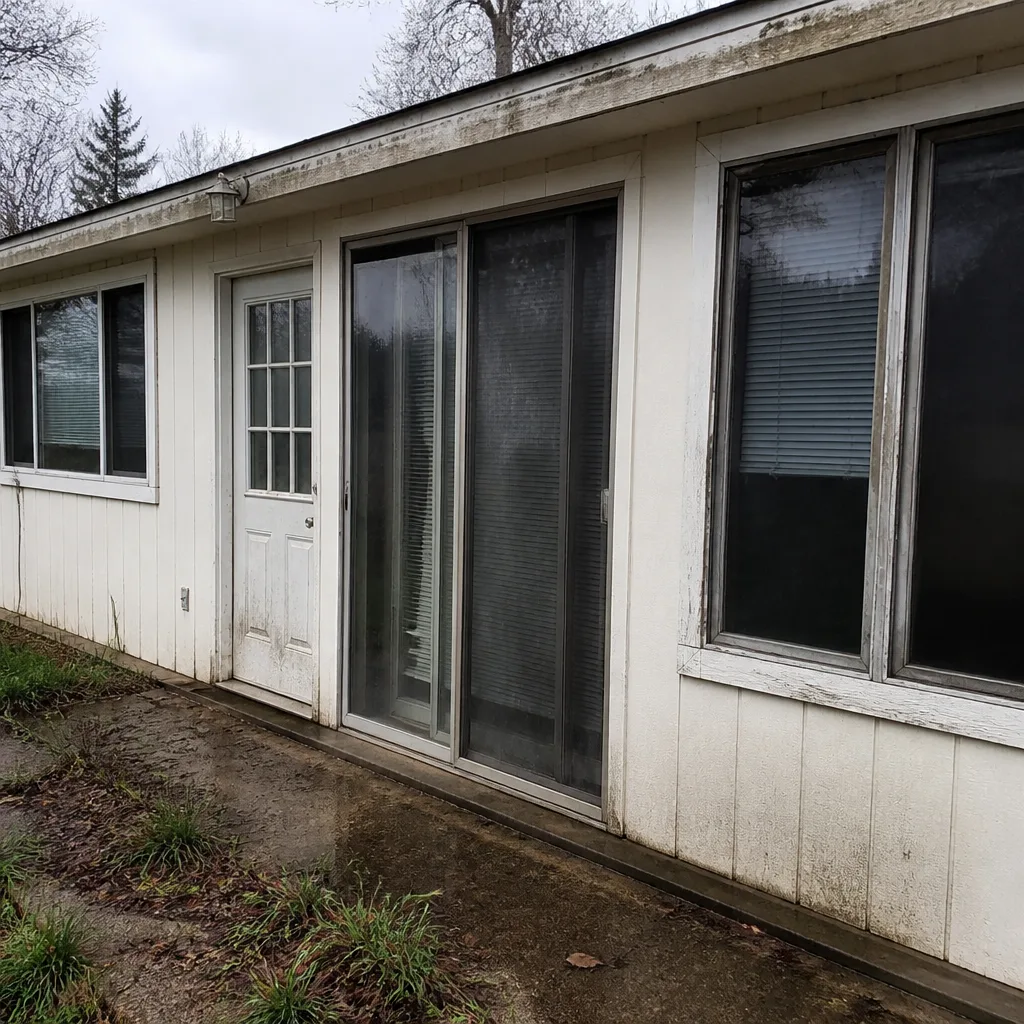
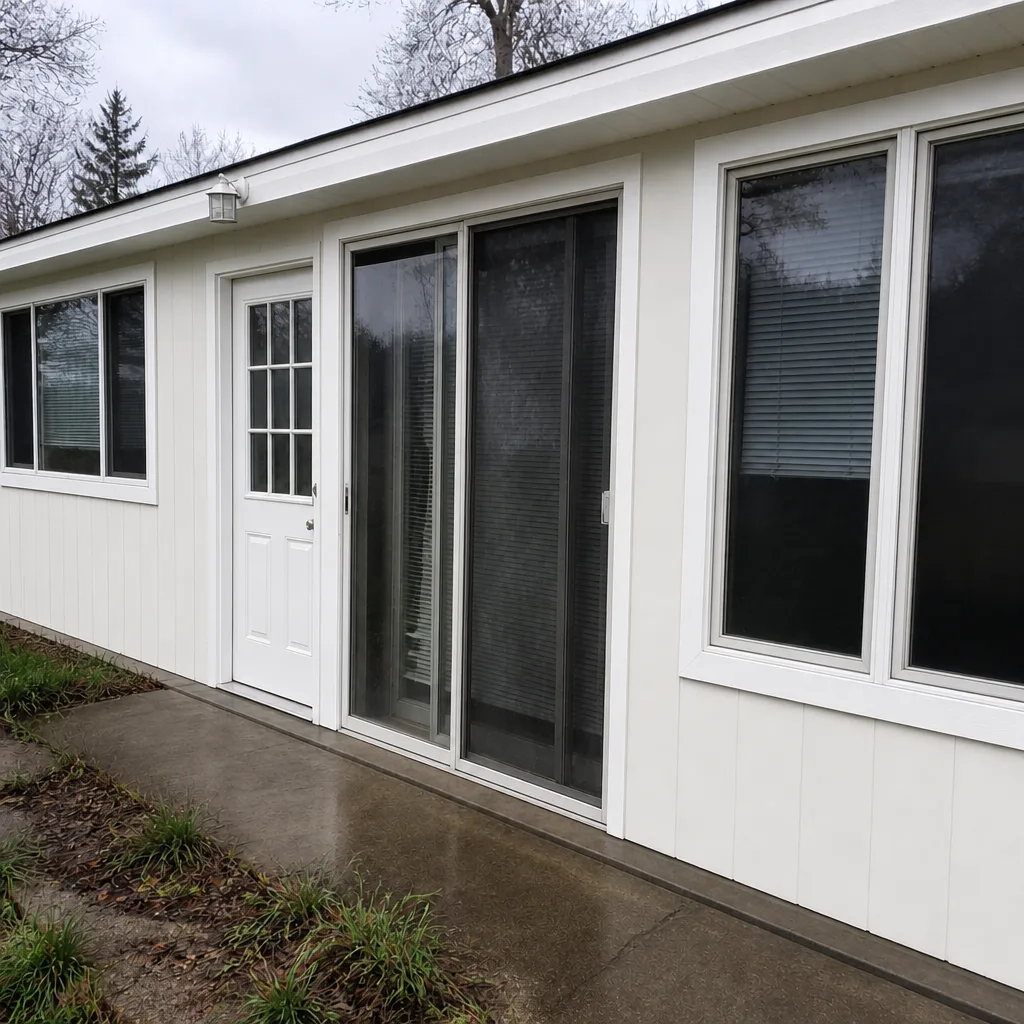
See the difference
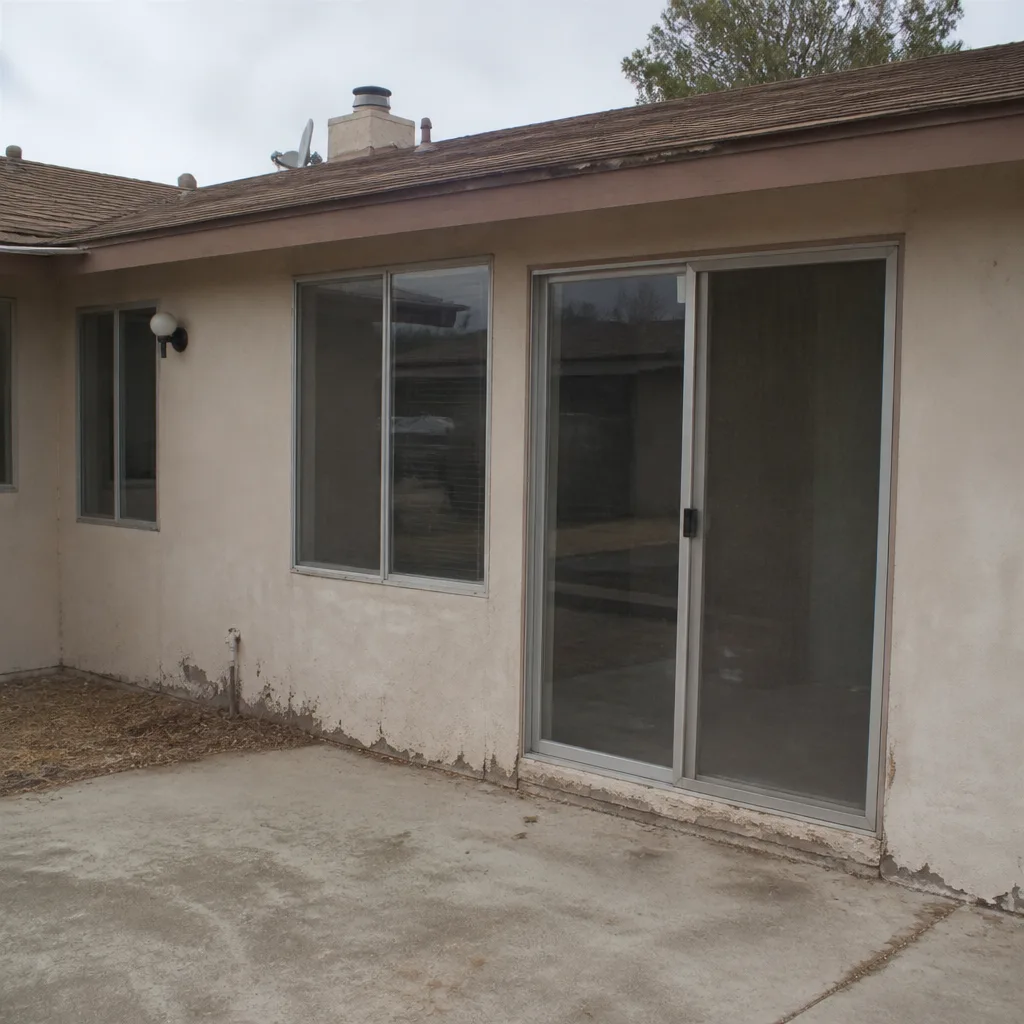 Before
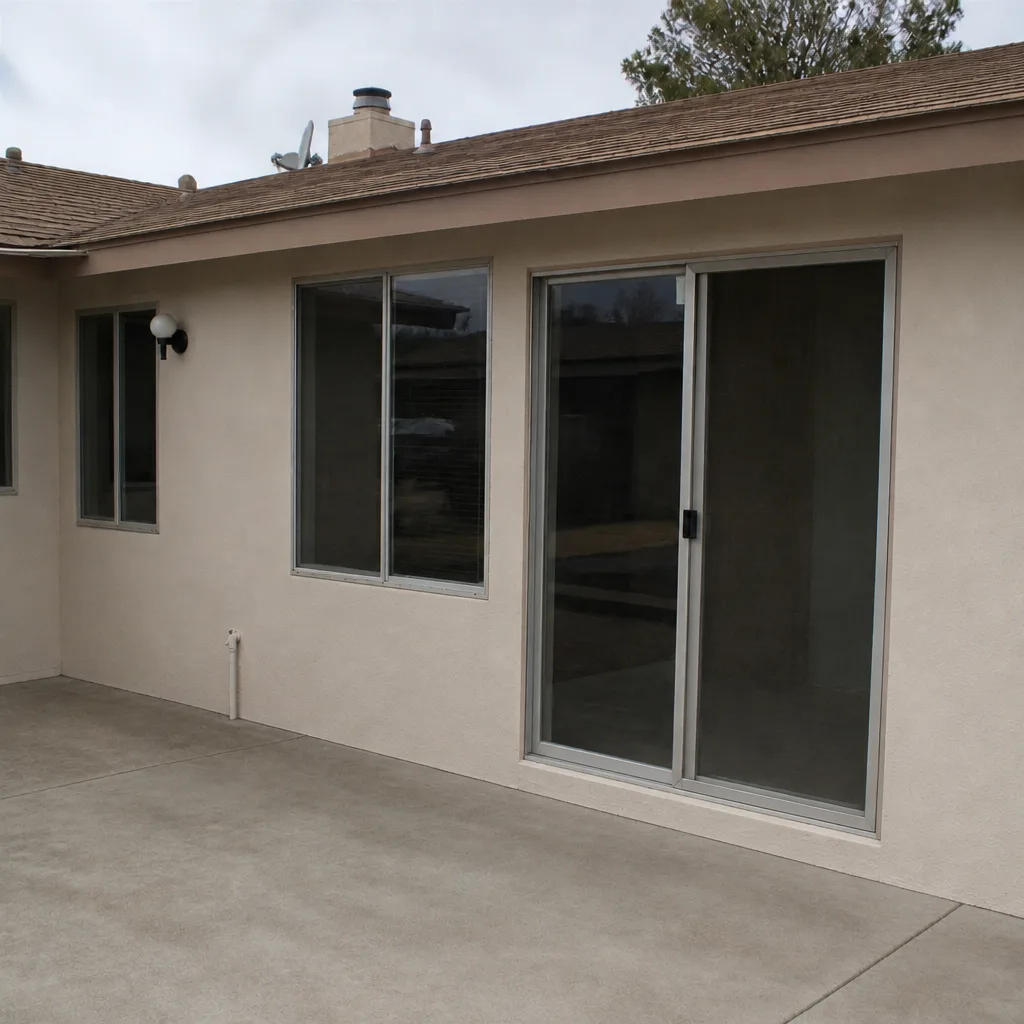 After
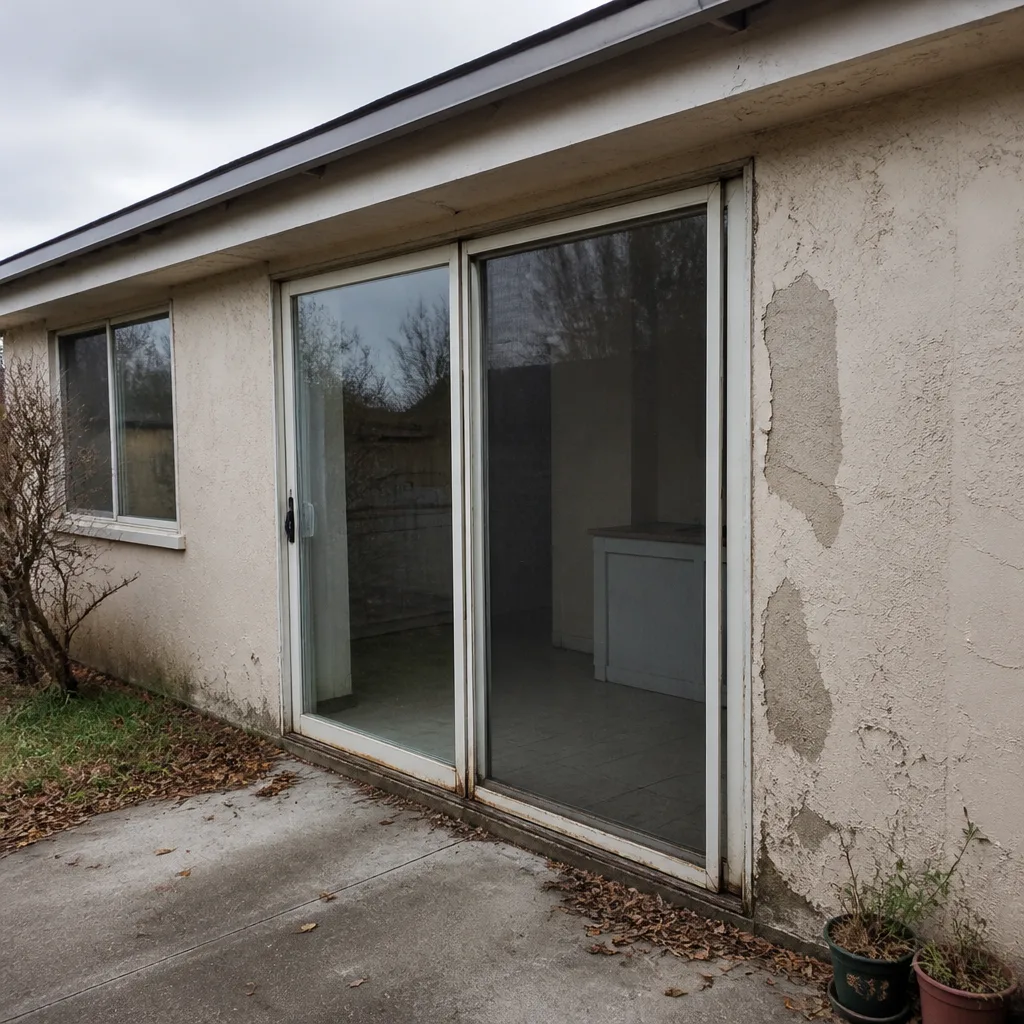 Before
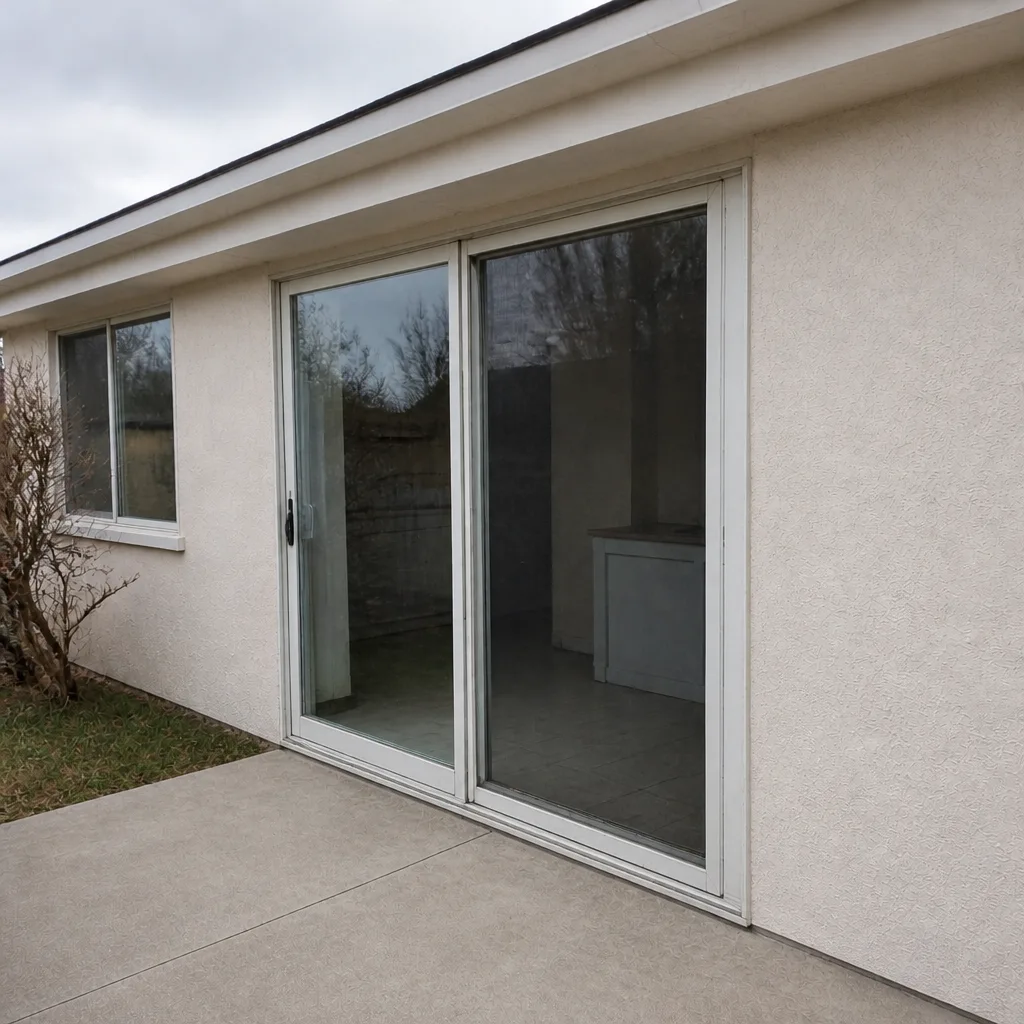 After
 Before
 After