Last updated November 17, 2026
 Single hung
 Double hung
 Horizontal roller
 Casement
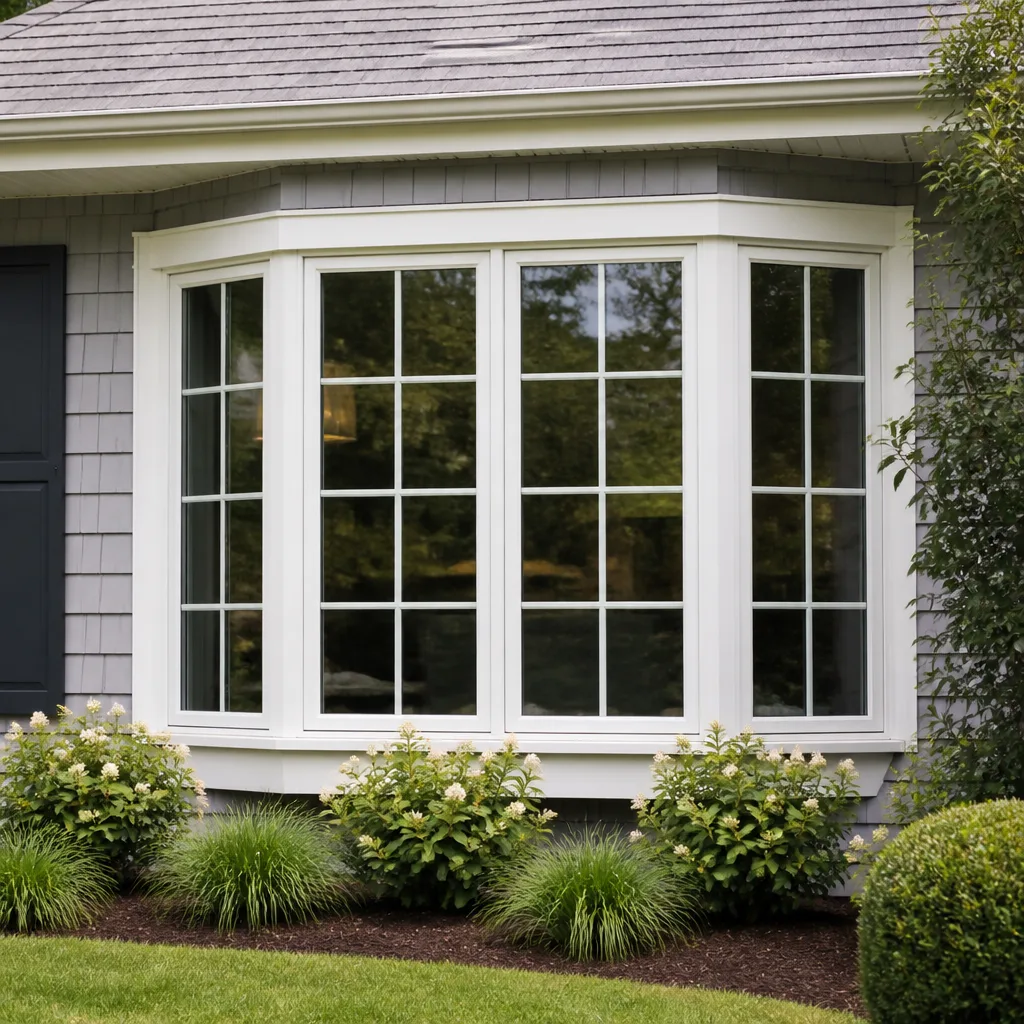 Bay & bow
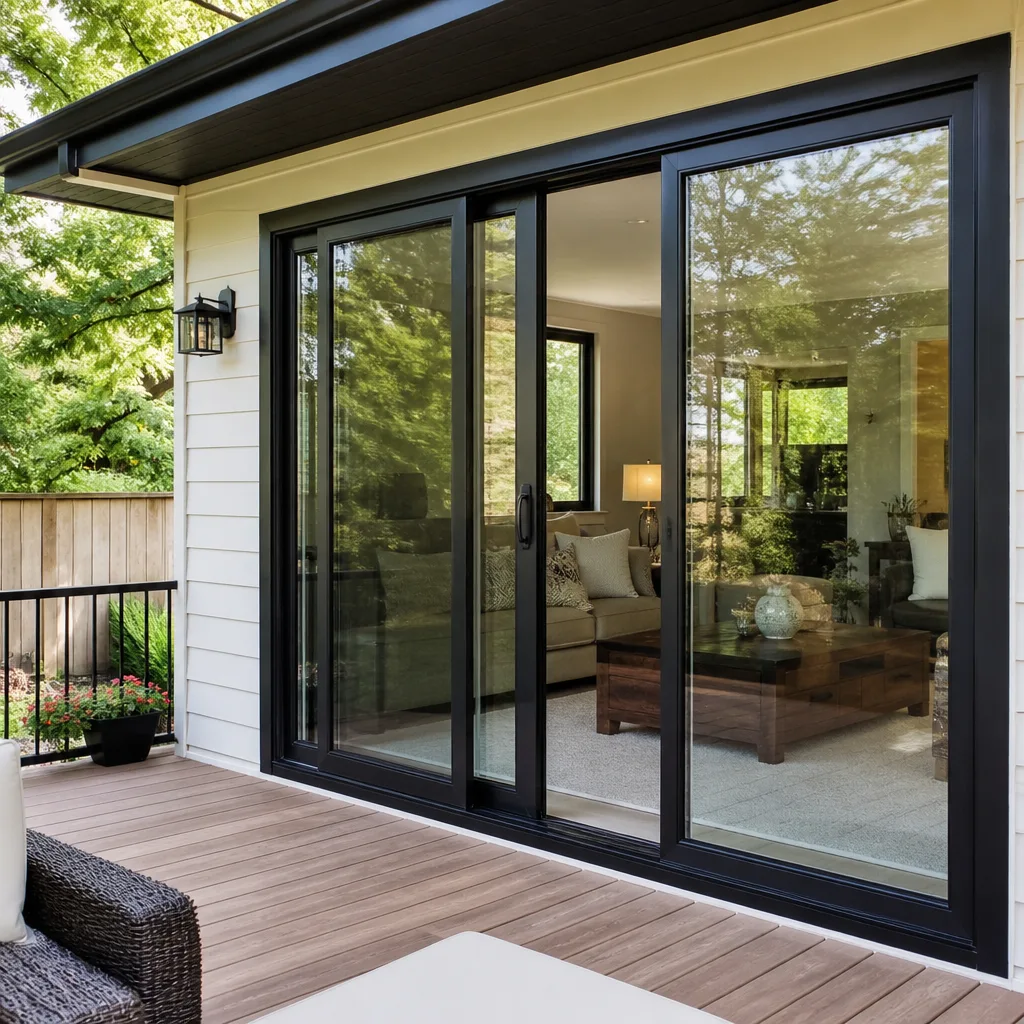 Sliding glass doors
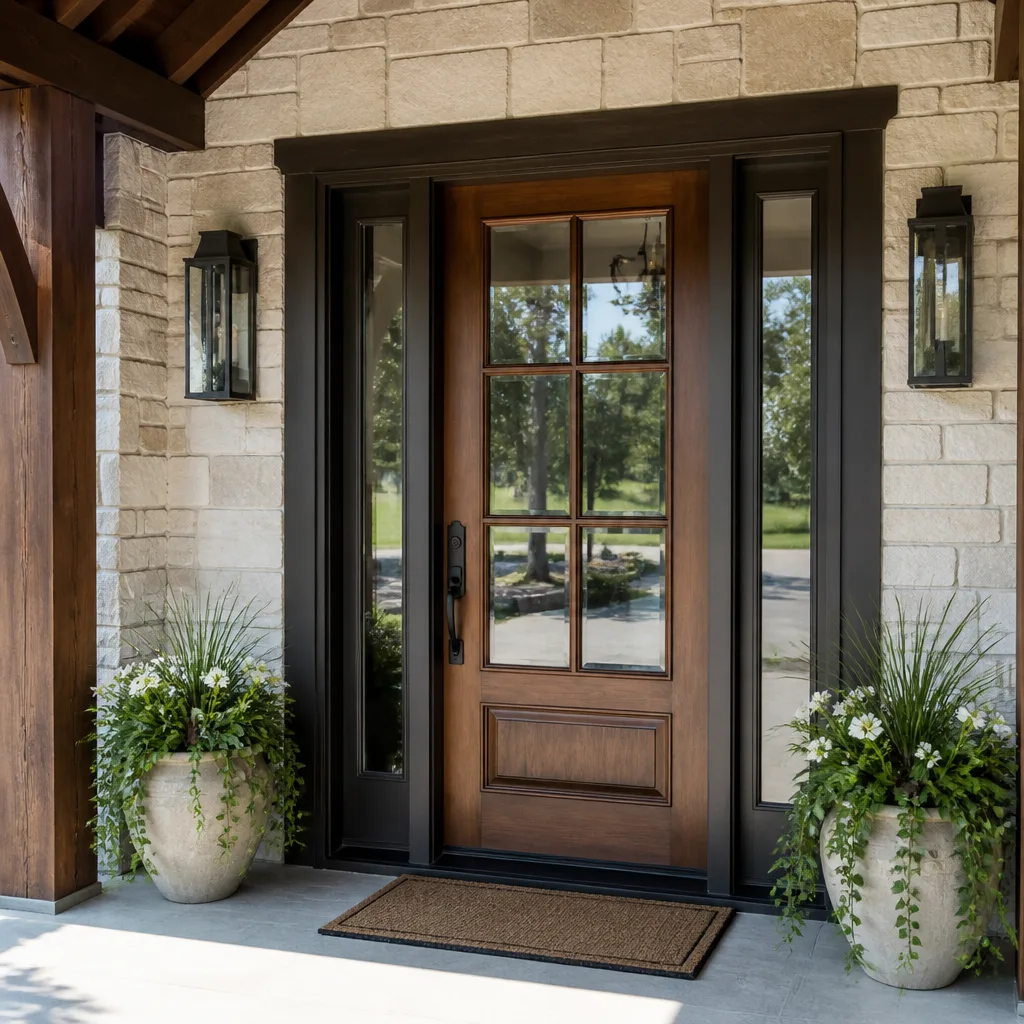 Entry doors
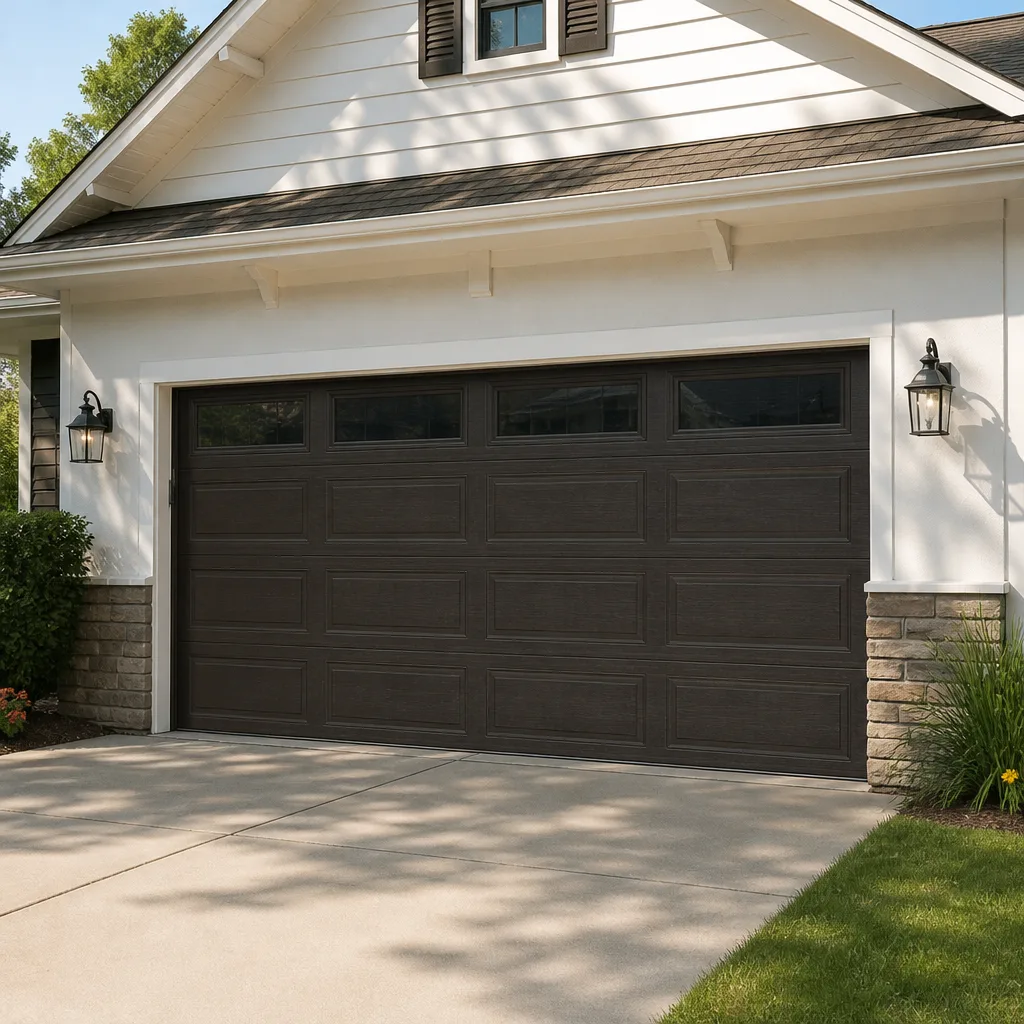 Impact garage doors
 PGT
 CGI
Free in-home measure and quote - PGT, CGI and CWS impact lines compared on your actual openings, style by style
Get your free estimateWindow Replacement Maintenance Checklist for Paradise Homeowners
Most window maintenance advice travels badly. The same caulk-and-clean routine gets copied from national checklists written for humid suburbs, then handed to homeowners in a place where the air is dry enough to pull moisture out of wood and the summer sun hits glass at a punishing angle for months. In Paradise, the failure pattern is different. The fine alkaline dust that settles after a windstorm doesn’t just cloud the glass. It works into weep holes and weather-stripping channels and quietly speeds up seal failure in ways a wipe-down won’t touch. What follows is a task-by-task schedule built around the valley’s actual seasonal stressors, so you can protect the windows you have and know when replacement makes more sense than repair.
Quick Answer
A Paradise window maintenance checklist should focus on four things in this climate: keeping weep holes and weather-stripping channels clear of alkaline dust, checking weather-stripping for UV breakdown before it crumbles, testing insulated glass units for seal failure before fogging appears, and accounting for the thermal expansion that comes with the swing from 100°F-plus summer highs to cold desert nights. Most of these checks take a few minutes each and are best done twice a year, once before summer and once in fall.
Styles & brands we work with
- Single hung
- Double hung
- Horizontal roller
- Casement
- Bay & bow
- Sliding glass doors
- Entry doors
- Impact garage doors
- PGT
- CGI
Table of Contents
- Why Paradise Windows Age Differently
- The Weep Hole Protocol for Desert Dust
- UV Degradation and When Weather-Stripping Is Overdue
- How to Test an Insulated Glass Unit Before Fogging Shows
- Frame and Screen Checks for Big Temperature Swings
- The Two-Times-a-Year Checklist
- Warranty Preservation Steps Homeowners Skip
- Repair or Replace? Reading the Signals
Why Paradise Windows Age Differently
Paradise sits in a desert valley, and that changes the wear pattern on every window component. Ultraviolet exposure is high most of the year. Humidity is low enough that most of the moisture damage people worry about in wetter climates simply doesn’t happen here. What replaces it is dust, heat, and dryness working together. The alkaline dust that blows in during windy stretches is abrasive and slightly caustic, and it collects anywhere there’s a ledge, channel, or gap. Glass stays clearer than the frames around it, which is why so many homeowners notice the frame and hardware problems before they notice the window itself.
The other big factor is the temperature swing. Summer afternoons push past 100°F regularly, and winter nights drop cold enough to matter. Vinyl and aluminum frames expand and contract with that swing, and every joint, seal, and screen spline moves with them. Over enough seasons, that movement loosens what heat alone wouldn’t. Weather-stripping compresses, seals gap, and screens work their way out of the spline groove. This is normal behavior for the climate, not a sign of a bad window, but it does mean maintenance has to follow the local rhythm rather than a generic annual schedule.
Homes in Paradise also tend to have a lot of western and southern exposure, and those elevations take the hardest UV hit. If your home has large glass facing the afternoon sun, plan on checking the seals and weather-stripping on those windows more often than on north-facing ones. If you’re weighing whether your windows are worth maintaining or whether it’s time to look at replacement, our window replacement page walks through the signs that a full swap makes more sense than another round of repairs.
The Weep Hole Protocol for Desert Dust
Weep holes are the small openings at the bottom of a window frame that let water drain out. In a wet climate they matter after rain. In Paradise they matter after dust storms, because the same openings that let water out let fine grit in. Once a weep hole clogs, any water that does reach the frame – from a rare rain, a sprinkler overshoot, or a window washing – has nowhere to go. It sits, and it works its way into the frame cavity.
Clearing them is a simple job, but it has to be done correctly or you can push debris deeper into the frame.
- Identify every weep hole along the bottom of each window frame. There are usually two or more per window, and some frames have them under a small cover or flap.
- Inspect with a flashlight before touching anything. If you can see daylight through the hole, it’s open. If it looks packed with gray or tan grit, it needs clearing.
- Use a soft brush, a pipe cleaner, or a can of compressed air to loosen the dust from the outside, working gently so you don’t drive it further in.
- Clear any debris sitting on the sill or track above the holes first. Otherwise it just washes back in the next time the wind blows.
- Flush with a small amount of water from a spray bottle to confirm drainage, then let it dry fully before closing the window.
- Repeat after any significant wind event, and at minimum once in spring and once in fall.
If a weep hole is genuinely blocked and won’t clear, don’t force it with a screwdriver or wire. Frame damage from poking at a drain channel is expensive, and it’s one of the ways people accidentally void their manufacturer’s coverage. That’s a job for a technician. Our team handles window installation throughout the area and can take a look if a window isn’t draining the way it should.
UV Degradation and When Weather-Stripping Is Overdue
Weather-stripping is the material that seals the gap between the window sash and the frame. In Paradise, UV exposure is the main thing that kills it. Different materials fail at different rates, and knowing which type you have tells you how closely to watch it.
- Foam tape. The least UV-resistant option. In direct sun it goes brittle, then crumbles. Expect to inspect it every few months on sun-facing windows.
- Felt. Compresses and dries out relatively quickly in low humidity. It doesn’t crumble like foam, but it stops sealing well before it looks worn.
- Vinyl or PVC stripping. Holds up better to sun, but hardens over time and can crack at the bends. Watch the corners, where stress concentrates.
- Silicone and EPDM. The most UV-tolerant of the common options. Still worth checking annually, but usually the last to fail.
The test is simple. Run your fingers along the stripping and press it gently. If it springs back, it’s still doing its job. If it feels hard, flaky, or leaves residue on your fingers, it’s overdue for replacement regardless of how it looks. Don’t wait for a visible draft. By the time you feel air moving through a closed window in Paradise, the stripping has usually been failing for a while.
Replacement is straightforward on most windows, but the right material matters. A strip that held up fine somewhere else may not survive a summer of direct afternoon sun here. If you’re unsure what’s on your windows now, a technician can identify it and swap it for something matched to the exposure. And if the frames themselves are past saving, that’s when it makes sense to talk about new windows rather than another round of patches. You can read about our full approach at Window Replacement Paradise.
How to Test an Insulated Glass Unit Before Fogging Shows
Most double-pane windows are built as insulated glass units, or IGUs. Two panes are sealed around the edge with a spacer and filled with either air or argon gas. The seal is what makes the whole thing work. When it fails, moisture gets in, and eventually you see fogging or a milky haze between the panes. The problem is that fogging is the last stage of failure, not the first. By the time you see it, the seal has been gone for a while and the insulating performance has been quietly dropping.
You can catch it earlier with a few checks that don’t require any tools:
- Look at the glass edge from an angle in bright daylight. A healthy IGU looks uniformly clear. A failing one often shows a slight wavy or rainbow pattern near the spacer.
- Check for condensation between the panes, not on the room side or the outside. Interior condensation between the glass is the clearest early sign of seal loss.
- Press gently on the center of the glass on a cool morning. A healthy unit feels firm. A failing one may flex more than it used to as the gas escapes.
- Note any window where the room feels warmer than it should in summer, even with the blinds closed. Argon loss cuts performance before it shows visually.
- Compare windows on the same wall. If one is noticeably hazier or reflects differently than its neighbor, that’s worth a closer look.
A failed IGU can often be replaced without replacing the whole window, but it depends on the frame type and whether the manufacturer still supplies the glass. When it can’t be sourced or the frame is also aging, a full replacement makes more sense. Brands like ViewLux and Mr-Glass give us options at different performance and price tiers, so we can match the product to your home rather than pushing one line. Our technicians have up to 9 years of experience identifying seal failure before it turns into full fogging.
Frame and Screen Checks for Big Temperature Swings
The difference between a summer afternoon and a winter night in Paradise is large enough that every window in your home is constantly expanding and contracting. Vinyl frames move the most. Aluminum moves less but transfers heat faster. Wood moves with humidity, which in a desert means mostly it shrinks. None of this is a defect, but it does mean joints and fasteners need occasional attention.
What to check and when:
- Frame joints. Look for gaps at the corners and where the frame meets the wall. A hairline gap is normal. A gap you can see daylight through is not.
- Corner welds on vinyl frames. These can crack after enough thermal cycling. Any crack is a water intrusion point.
- Screen spline. The rubber cord that holds the screen mesh in its groove dries out and shrinks in low humidity. Screens that were tight in spring often sag by late summer.
- Screen frames. Aluminum screen frames can bend or bow as they expand against the window frame. If a screen no longer sits flush, don’t force it back in.
- Locks and handles. Hardware loosens with movement. A lock that doesn’t engage cleanly is a security issue and a sign the sash has shifted.
Do the checks in late spring, before the heat peaks, and again in fall when the nights start to cool. That’s when the movement is most visible. Any gap larger than a hairline, any cracked weld, or any hardware that no longer operates smoothly is worth a professional look. Left alone, these small openings let dust in and let conditioned air out, which shows up on your energy bill before it shows up anywhere else in the house.
The Two-Times-a-Year Checklist
Paradise has two seasonal transition points that matter for windows: the shift into summer heat and the shift into cooler nights. Run this checklist at each one. It takes under an hour for a typical home and covers everything above in order.
- Walk the exterior. Look at every window from outside. Note any cracked glass, damaged screens, or gaps around the frame where it meets the stucco or siding.
- Clear weep holes. Brush out dust and debris from every drain hole, front and back of the frame.
- Test weather-stripping. Press it along each sash. Replace anything that feels hard, flaky, or leaves residue.
- Inspect IGU edges. Check glass edges for waviness or rainbow patterns, and look for condensation between panes.
- Check frame joints and welds. Look for gaps at corners and cracks in vinyl welds.
- Test every lock and handle. Open and close each window fully. Note any that stick, bind, or fail to latch.
- Clean tracks and sills. Vacuum out dust, then wipe with a damp cloth. Don’t use abrasive cleaners on vinyl or aluminum.
- Check screens. Look for sagging spline, bent frames, and small tears that will grow.
- Note anything that needs follow-up. Keep a simple list so you can track what’s changing year over year.
If you’re not comfortable on a ladder or the exterior inspection turns up something you’re not sure about, that’s exactly the kind of thing to have a technician look at. Windows and doors are all we do, which means we’ve seen how these specific conditions affect these specific products across Paradise.
Warranty Preservation Steps Homeowners Skip
Manufacturer warranties on windows and doors usually have conditions attached, and most homeowners never read them until something fails. The most common reason a claim gets denied isn’t a defect in the product. It’s a maintenance or installation issue the warranty explicitly excludes, or a modification the homeowner made that voided coverage.
The main things to preserve coverage:
- Keep your documentation. Save the original order paperwork, the model and brand names, and any installation records. Claims require proof of what was installed and when.
- Don’t repaint or refinish frames with the wrong product. Some finishes void vinyl or aluminum warranties. Check the manufacturer’s guidance before painting anything.
- Don’t drill or cut into frames. Adding aftermarket hardware, security bars, or window coverings by screwing into the frame can void the structural coverage.
- Follow the cleaning guidance. Abrasive cleaners and pressure washers can damage seals and glass coatings, and most warranties exclude damage from improper cleaning.
- Address seal failures promptly. Some warranties require you to report a failed seal within a set window of time. Waiting until fogging is obvious can push you past that.
- Keep proof of professional installation. Many warranties require installation by a qualified contractor. If you bought the window yourself and had it installed, the paperwork matters.
This is where buying from a specialist pays off. When we install products from PGT, CGI, CWS, ES Windows, and ECO Window Systems, we know what each manufacturer’s coverage requires and what actions put it at risk. Therma-Tru entry doors have their own conditions, and we handle those the same way. If you’re not sure what your current windows are covered for, that’s a reasonable question to bring to a free estimate.
Repair or Replace? Reading the Signals
Eventually every window reaches a point where maintenance stops being the answer. The question is how to tell. In Paradise, the signals cluster around three areas: seal failure, frame condition, and how many windows are showing the same problem at once.
Repair usually makes sense when the issue is isolated. A single failed IGU, one window with worn weather-stripping, or a screen that needs a new spline are all straightforward fixes. The frame is sound, the hardware works, and the rest of the house is fine. In those cases, a targeted repair keeps the window in service for years more.
Replacement starts to make more sense when the problems are systemic. If multiple windows on the same elevation show seal failure, if frames are cracked at the welds, if hardware is failing across the house, or if the windows are old enough that replacement parts are hard to source, you’re likely past the point where patching pays off. The same goes if you’re noticing energy performance dropping across the whole house rather than in one room.
There’s also a product question. If the windows you have weren’t designed for this climate, no amount of maintenance will make them perform like ones that were. Impact-rated lines from PGT, CGI, and ES Windows, energy-efficient options through ECO Window Systems, and premium aesthetic choices from ViewLux give us real range to work with. We match the product to your home, not the other way around. If you want a straight comparison, our team can walk you through what’s actually available for your window types and exposure. Call (855) 763-9014 to set up a free estimate.
Common Mistakes to Avoid
- Pressure-washing the frames. It seems like the fastest way to clear desert dust, but high pressure drives water past seals and into frame cavities. Most manufacturers exclude the resulting damage from warranty coverage.
- Ignoring weep holes until you see water inside. By the time water backs up, it’s already been sitting in the frame. Clear them on schedule, not after a problem shows.
- Waiting for fogging before testing the IGU. Fogging is the end stage. The seal has usually been failing for a while by then, and performance has been dropping the whole time.
- Assuming weather-stripping is fine because it looks okay. UV damage in Paradise often shows up as hardening before it shows up visually. Test it with your fingers, not your eyes.
- Using abrasive cleaners on glass and frames. The alkaline dust already puts stress on surfaces. Adding a gritty cleaner speeds up the wear and can damage Low-E coatings.
- Painting or modifying frames without checking the warranty. A small aesthetic change can void coverage on the whole window. Read the manufacturer’s guidance first.
- Forcing a screen back into a frame that’s bowed. If the frame has moved with thermal expansion, forcing it can crack the corner or damage the spline groove. Let a technician reset it.
See the difference
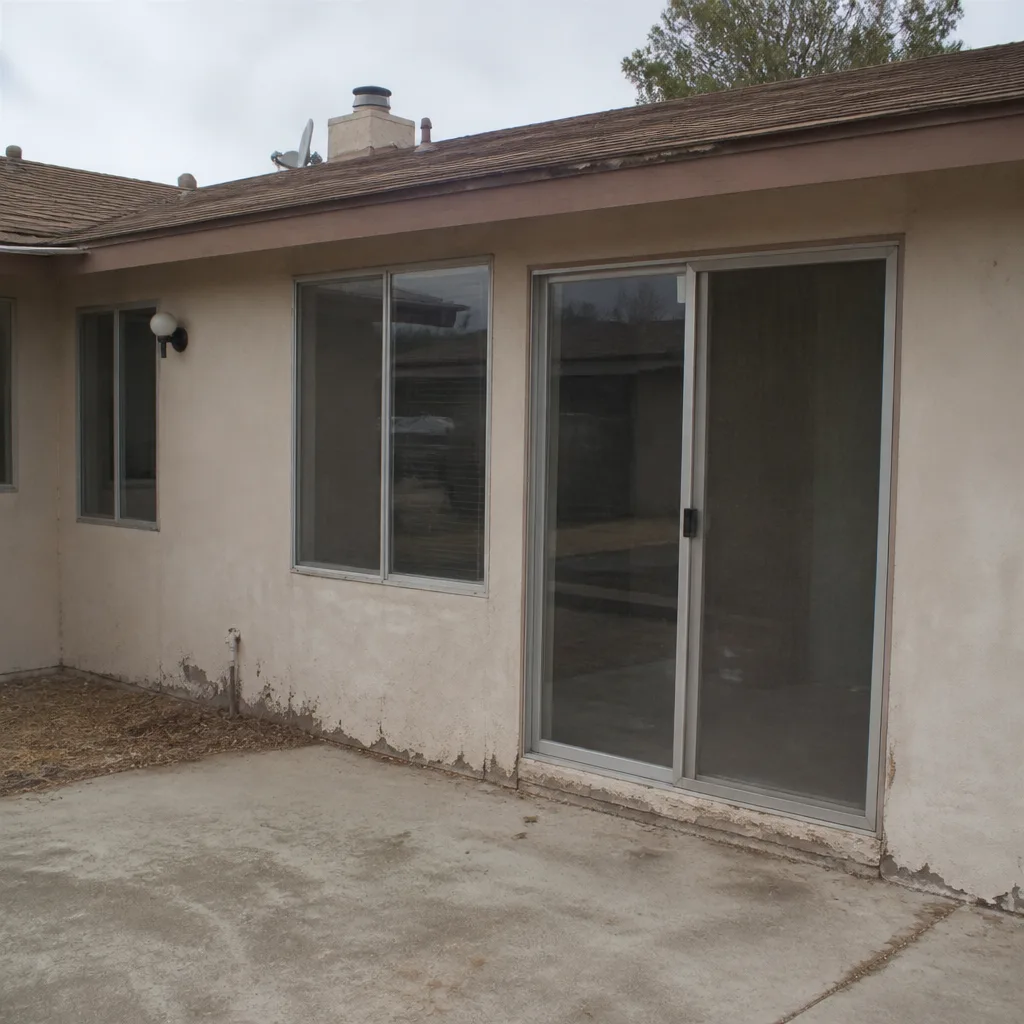 Before
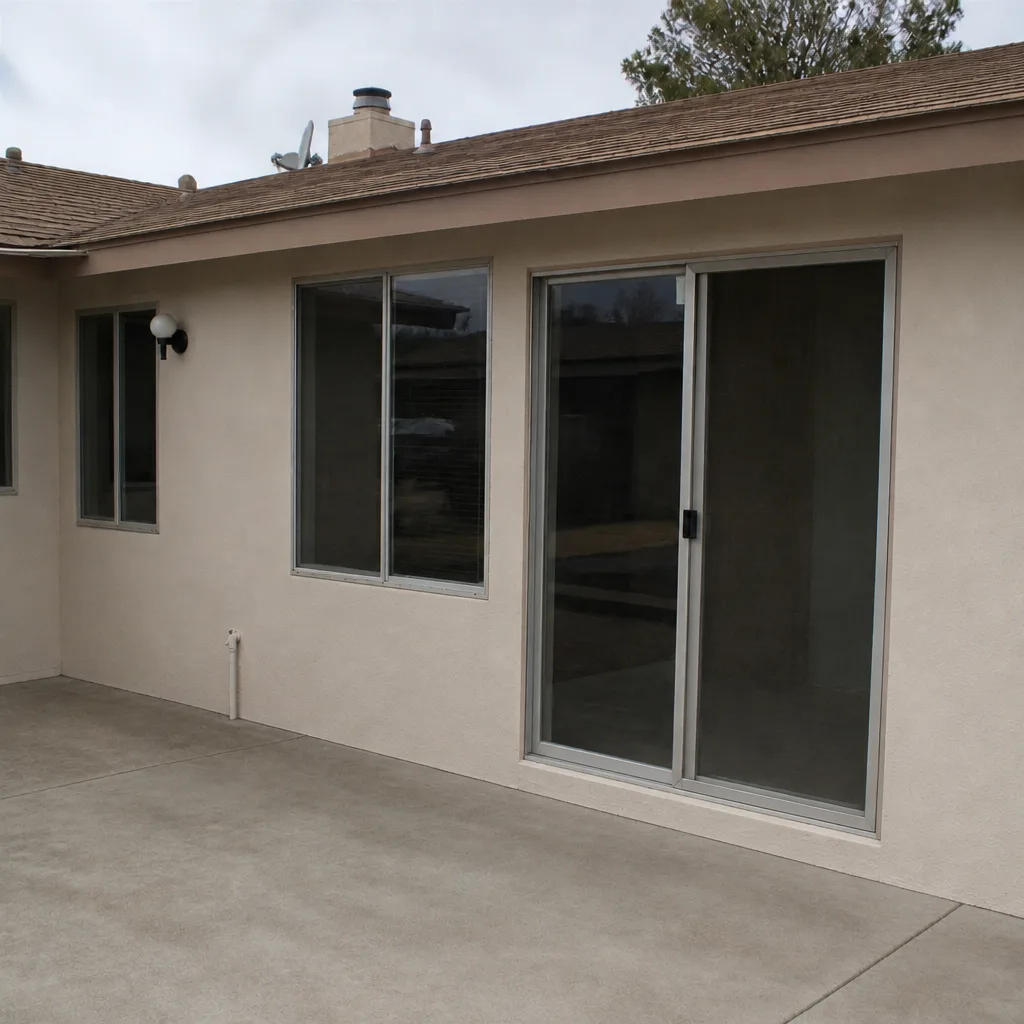 After
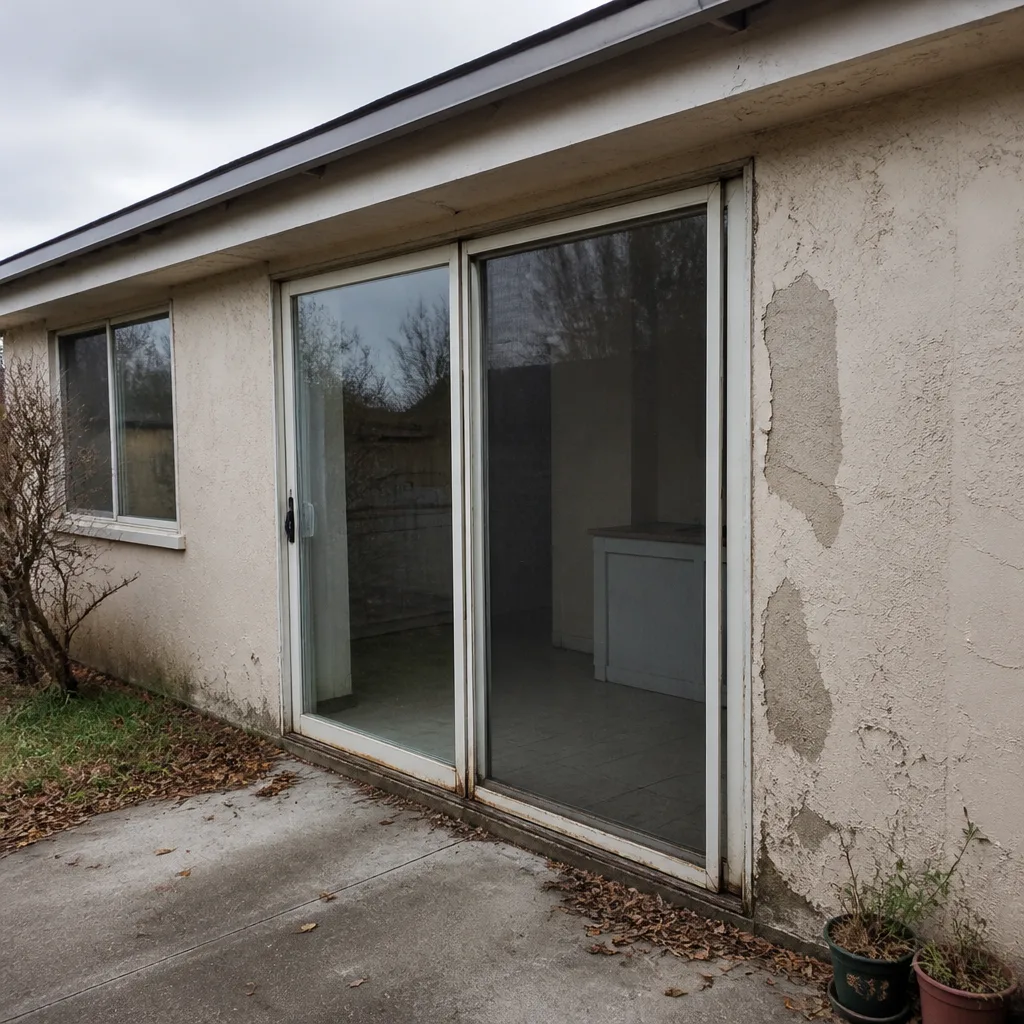 Before
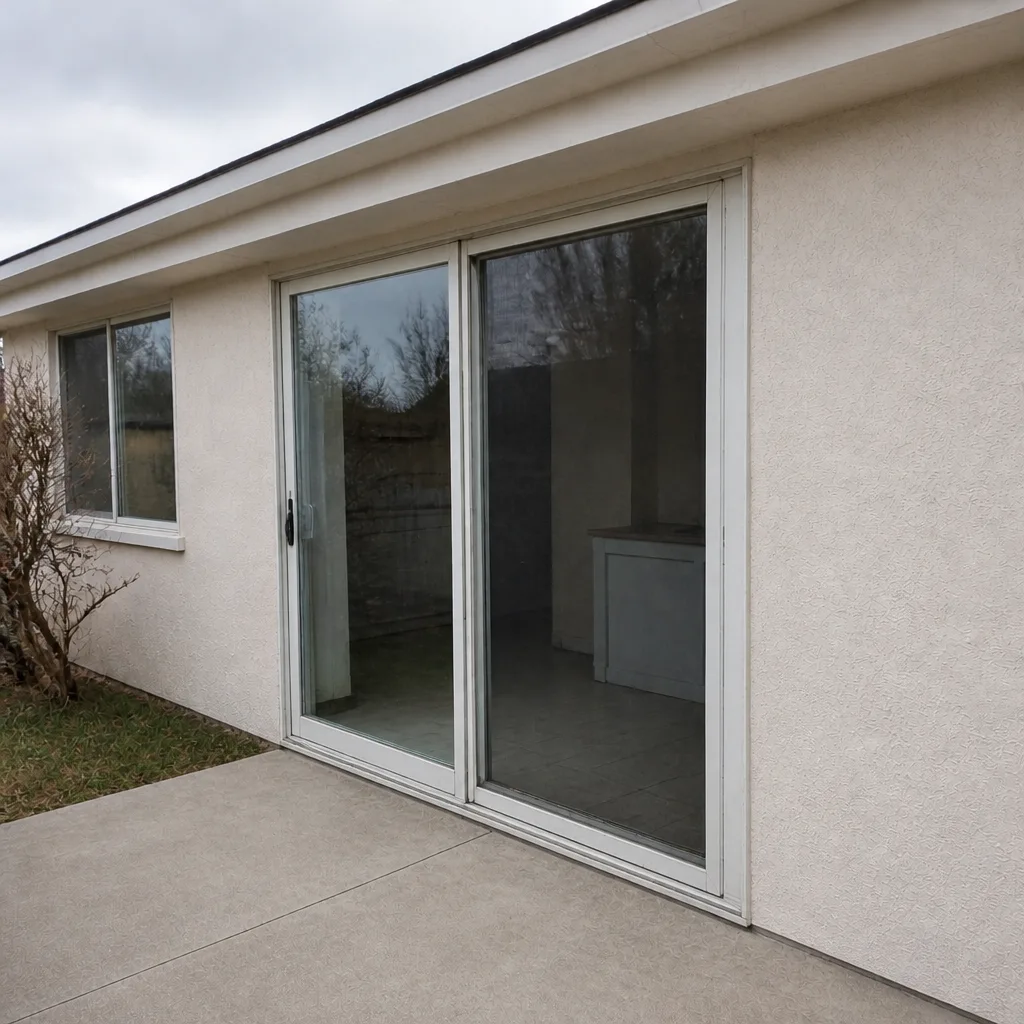 After
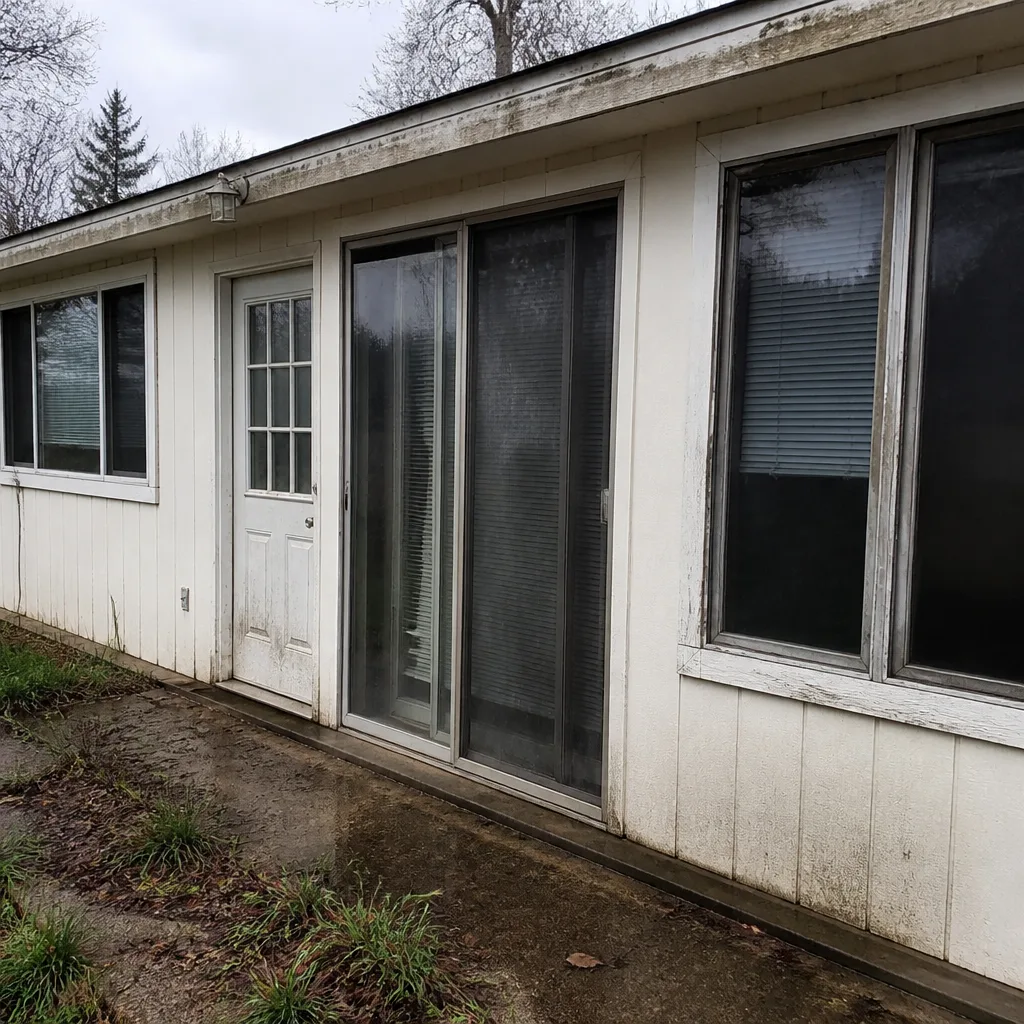 Before
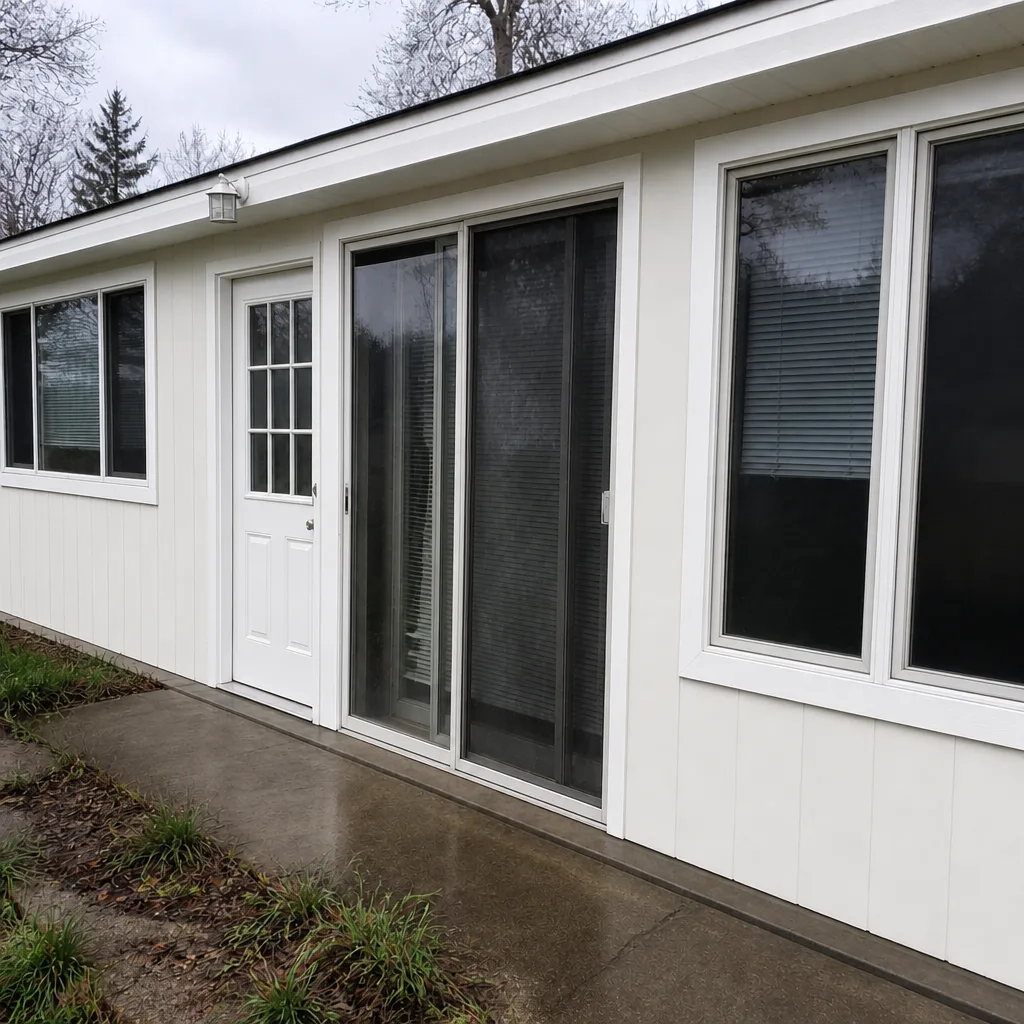 After
When to Call a Professional
Some window issues are safe to handle yourself: clearing weep holes, cleaning tracks, checking weather-stripping, and testing locks. Others aren’t. Call a professional if you find a cracked frame weld, a gap you can see daylight through at a frame joint, a failed IGU you want replaced, hardware that no longer latches securely, or anything that requires working at height on a ladder. Glass handling is another one. A large pane is heavier and more fragile than it looks, and a dropped pane is a serious injury risk. If you’re not sure whether a problem is cosmetic or structural, that’s also worth a call. Window Replacement Paradise offers free estimates in Paradise, and our technicians have up to 9 years of experience with exactly this kind of work. Call (855) 763-9014 to schedule yours.
Frequently Asked Questions
Twice a year is the right rhythm here: once in late spring before the summer heat peaks, and once in fall as the nights cool. The two checks catch the dust accumulation from wind season and the thermal movement from the summer-to-winter swing, which are the two main things that wear windows in this climate. Windows with heavy western or southern exposure may need a mid-summer weep hole check as well. Call (855) 763-9014 if you’d rather have a technician walk through it with you – estimates are free.
Look for a wavy or rainbow pattern along the glass edge, condensation between the panes rather than on the room side, and any window that feels warmer than its neighbors in summer. Those are the early signs of seal failure, and they show up well before visible fogging does. Comparing windows on the same wall is the easiest test, since a failing unit will reflect and perform differently than a healthy one. Call (855) 763-9014 for an exact quote on replacement glass if you find one.
UV exposure is the main cause. Intense sun for most of the year breaks down foam and felt stripping quickly, and even vinyl hardens over time. The dry air adds to it by pulling moisture out of the material, which makes it brittle. Sun-facing windows usually fail first. If you’re not sure what type you have or whether it’s still sealing, a technician can identify it and recommend a replacement matched to your exposure. Call (855) 763-9014 – estimates are free.
Not every one, but after any significant wind event it’s worth a quick look, and at minimum on your spring and fall checklist. The fine alkaline dust that blows through Paradise packs into weep holes faster than most homeowners expect, and a clogged drain is the start of frame moisture problems. A flashlight check takes seconds; clearing a packed hole takes a few minutes with a soft brush. Call (855) 763-9014 if a hole won’t clear or you’d rather have it checked professionally.
Regular maintenance preserves coverage; neglect and improper cleaning can void it. Most manufacturer warranties require reasonable care and exclude damage from pressure washing, abrasive cleaners, or unauthorized modifications to the frame. Keep your original paperwork, don’t drill into frames, and address seal failures promptly. If you’re unsure what your current windows are covered for, bring it up during a free estimate. Call (855) 763-9014 to schedule one.
Repair makes sense when the problem is isolated to one window and the frame is sound. Replacement makes more sense when multiple windows on the same wall show seal failure, frames are cracked, or hardware is failing across the house. In this climate, systemic problems rarely stay isolated. Our technicians have up to 9 years of experience reading those signals, and we carry impact-rated lines from PGT, CGI, and ES Windows as well as energy-efficient options from ECO Window Systems, so the replacement conversation includes real product choice. Call (855) 763-9014 for a free estimate and a straight answer on which path fits your home.
The Bottom Line
Window maintenance in Paradise isn’t the same checklist you’d follow anywhere else. The alkaline dust, the intense UV, the near-zero humidity, and the wide temperature swing all push windows toward a specific failure pattern, and the schedule above is built around it. Clear your weep holes after wind events. Test weather-stripping with your fingers, not your eyes. Check IGU edges before fogging appears. Watch frame joints and screen splines as the seasons shift. And keep your warranty paperwork in order so a covered failure stays covered. Most of these tasks take minutes. The payoff is windows that hold their seals, their performance, and their appearance through another desert summer.
If your checklist turns up something that needs a closer look, or you’re weighing repair against replacement, we’re here to help. Windows and doors are all we do, and we install from a hand-picked lineup including PGT, CGI, CWS, ES Windows, ECO Window Systems, Mr-Glass, Therma-Tru, and ViewLux. Call (855) 763-9014 for a free estimate. We answer 24/7. Fast dispatch from 7am to 7pm, Sunday through Friday.
Written by the team at Window Replacement Paradise.