Last updated November 17, 2026
 Sliding glass doors
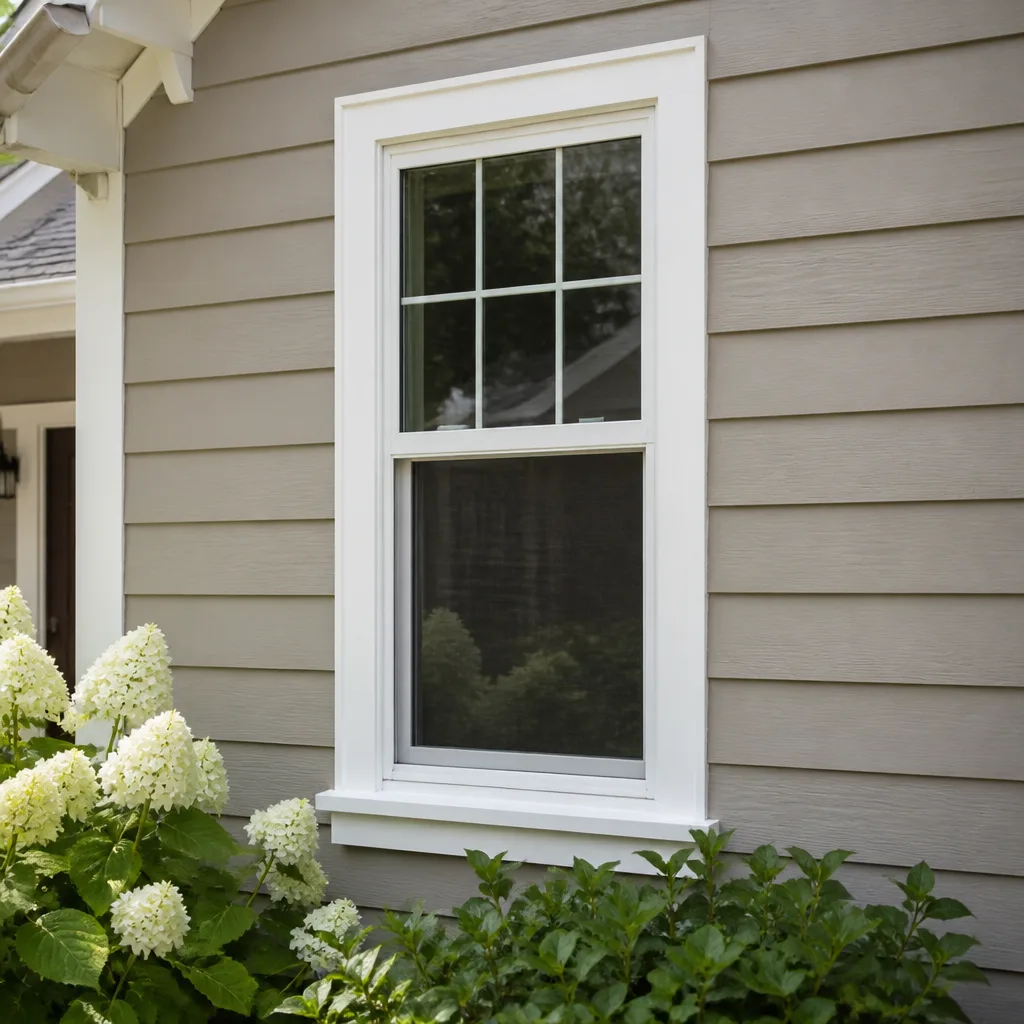 Single hung
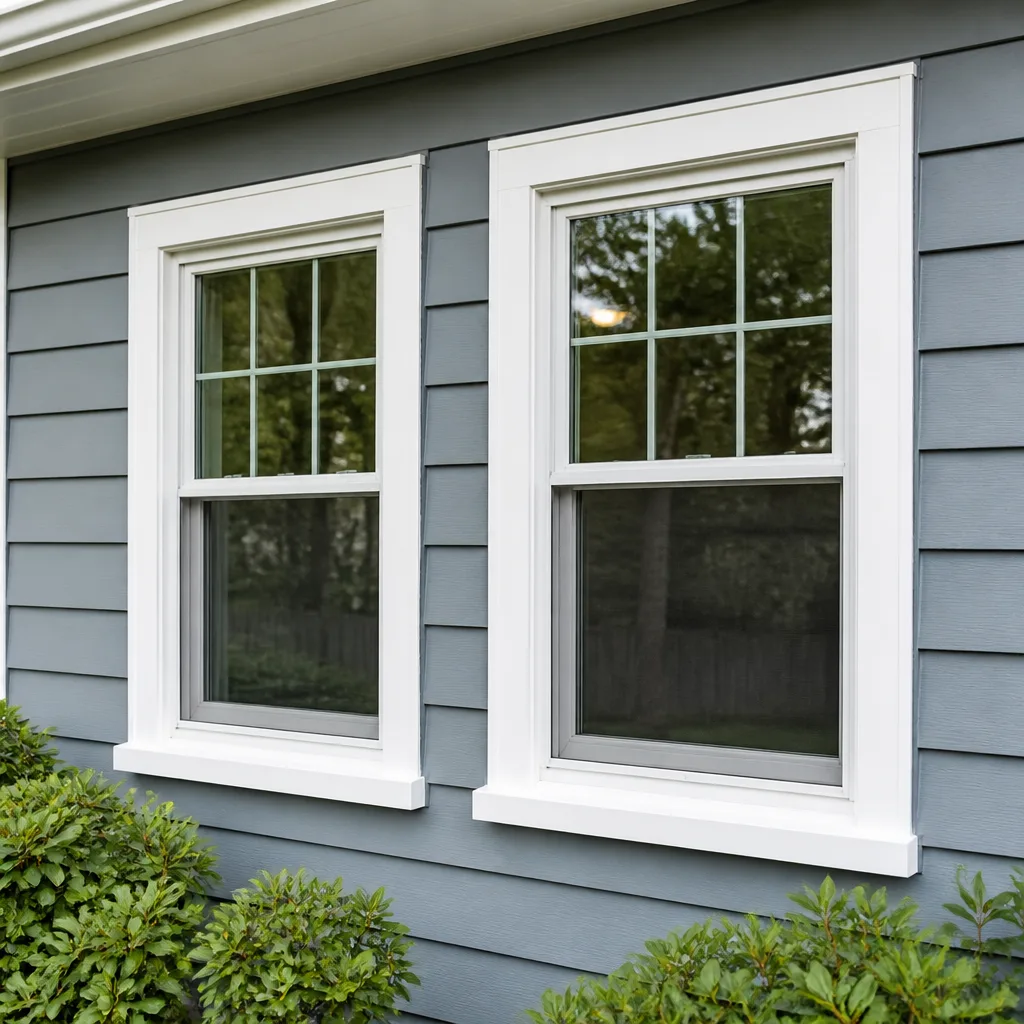 Double hung
 Horizontal roller
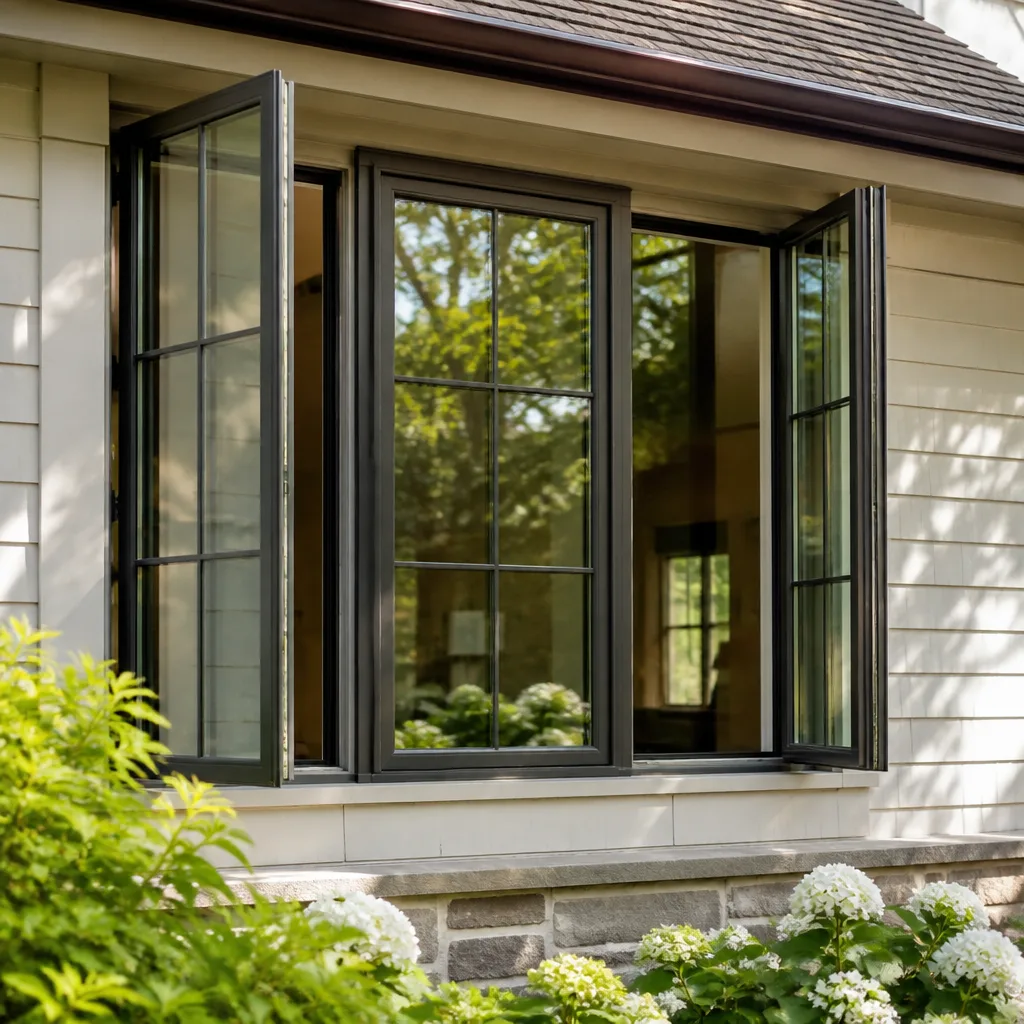 Casement
 Bay & bow
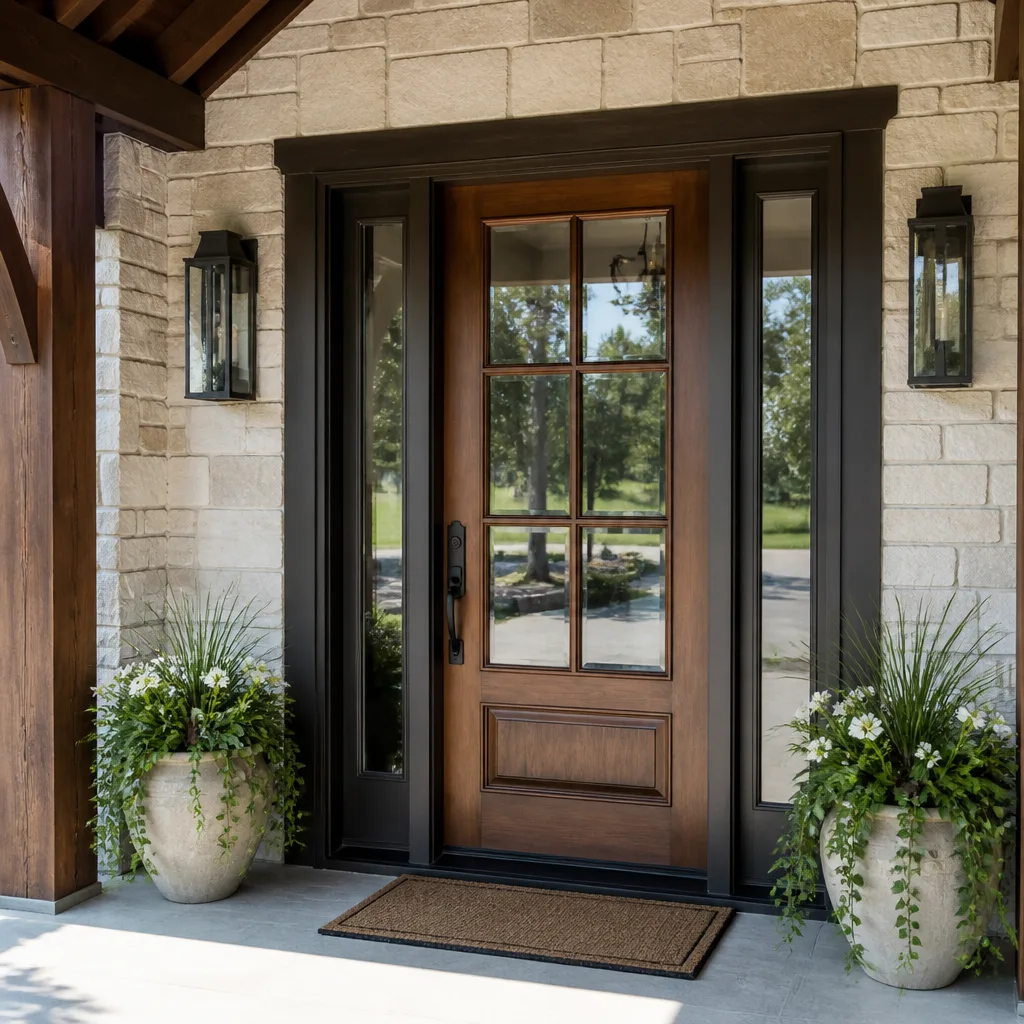 Entry doors
 Impact garage doors
 PGT
 CGI
Free in-home measure and quote - PGT, CGI and CWS impact lines compared on your actual openings, style by style
Get your free estimateSeasonal Windows & Doors Care for Paradise: Year-Round Homeowner’s Guide
Most national maintenance calendars were written for places with four even seasons, and they’ll tell you to re-caulk your windows in the fall. In Paradise, that advice arrives about four months too late. Sealant needs stable, moderate substrate temperatures to cure into a proper bond, and by October the useful window has closed until the following year. The real opening comes in February and March, before UV load climbs and before exterior surfaces start baking through the afternoon. What follows is a working calendar for windows and doors in Paradise, built around the way heat, sun, dust and the occasional monsoon cell actually press on a house here. You’ll learn what to inspect in each stretch of the year, what to leave alone, and when a small job is worth booking.
Quick Answer
In Paradise, windows and doors should be serviced on a heat-driven calendar, not the four-season one most guides use. Re-caulking and weather-strip replacement belong in February and March, when substrate temperatures hold steady long enough for sealant to cure. Summer is for observation only: watch for thermal expansion gaps, screen frame bowing and hardware binding without adjusting anything in the heat. Fall is for lubrication and threshold work as frames contract, and winter condensation patterns tell you whether your sealed glass units and insulation are still doing their job.
Styles & brands we work with
- Single hung
- Double hung
- Horizontal roller
- Casement
- Bay & bow
- Sliding glass doors
- Entry doors
- Impact garage doors
- PGT
- CGI
Table of Contents
- Spring in Paradise: The Caulking and Weather-Strip Window
- Summer: What to Monitor Without Touching
- Monsoon Micro-Season: Water Intrusion Checks
- Fall: Hardware Lubrication and Threshold Adjustment
- Winter: Reading Condensation as a Diagnostic Tool
- A Twelve-Month Inspection Calendar
- Common Mistakes to Avoid
- Frequently Asked Questions
Spring in Paradise: The Caulking and Weather-Strip Window
February through April is the most valuable stretch of the year for exterior window maintenance in Paradise, and it’s the one most homeowners skip. Daytime temperatures are moderate, overnight lows are still cool, and the exterior skin of your house isn’t yet holding stored heat from a full day of direct sun. That combination is what sealant needs. A bead of caulk applied to a substrate that’s too hot skins over on the surface before it bonds underneath, and it fails from behind within a season or two.
This is also the last comfortable stretch for weather-strip work. Adhesive-backed weather-strip on door frames and operable window sashes grabs best on a clean, dry surface that isn’t heat-softened. Push it into July and the adhesive turns gummy the moment you peel the backing.
What to prioritize in this window:
- Exterior perimeter caulk on every window. Look for hairline cracks where the frame meets stucco or siding, and for caulk that has pulled away in a continuous line rather than a short split.
- Weep holes and sill pans. Confirm the small drainage openings at the bottom of each frame are clear of dust and debris. Blocked weep holes are a leading cause of water sitting inside a frame.
- Door sweep and jamb weather-strip. Check for daylight under the door and along the strike side. A visible gap is a straightforward replacement.
- Glazing and gasket condition. On vinyl and aluminum frames, the gasket around the glass should still be pliable and seated. Hardened, shrunk gasket is a sign the assembly is due for attention.
March is also a smart month to judge whether repair still makes sense. If the frames are sound and the glass is intact, maintenance is the right spend. If you’re finding failed seals, sagging sashes or frames that no longer hold a gasket, spring is a reasonable time to plan a window replacement before the heat arrives and before schedules tighten. Doing the work while conditions are mild also means you’ll have a full summer to see how the new units perform.
Summer: What to Monitor Without Touching
From May into September, the job changes from fixing to watching. Summer in Paradise puts real stress on every opening in the house, and the correct response to most of what you’ll see is a note in a notebook, not a screwdriver. Materials expand in heat, and adjusting hardware or tightening frames while everything is at maximum expansion often means the fit is wrong again the moment temperatures drop.
What to watch for, and what it actually means:
- Thermal expansion gaps. A gap that opens at the frame-to-wall joint in the afternoon and closes by morning is a seasonal movement pattern. If it stays open, or if it grows through the summer, it’s worth having it looked at.
- Screen frame bowing. Screens and their frames can flex in sustained heat, particularly on west-facing exposures. A slight bow that relaxes overnight is normal. A frame that stays bowed or won’t seat in its track is a fit issue.
- Hardware binding. Window cranks, locks and sliding door rollers that feel stiff in July are telling you something about alignment, not about lubrication. Don’t force them. Note which ones bind and at what time of day.
- Interior condensation on glass. A little condensation on the room-side surface during a hot, humid stretch is a humidity signal. Condensation between the panes is a different problem entirely, and it’s covered in the winter section below.
- Fading and heat gain at the glass. If a room has become noticeably harder to cool, the glass is often the variable worth checking first.
One thing worth knowing in Paradise: the sun load here is hard on west- and south-facing glass, and that’s where impact-rated and energy-efficient product lines earn their keep. If your monitoring notes keep pointing to the same two or three openings every summer, that’s a pattern, and it’s worth a conversation. Options from ES Windows and ECO Window Systems cover a range of performance tiers, so the answer isn’t always “replace everything.” We carry those lines because the right product depends on the exposure, not on a single house style.
Monsoon Micro-Season: Water Intrusion Checks
July and August bring Paradise’s storm season, and the storms are brief and intense rather than long and gentle. That pattern matters for windows and doors, because most water problems here don’t come from sustained soaking. They come from wind-driven rain hitting a joint at an angle it doesn’t normally face, for twenty minutes, at high volume. A window that’s been fine all year can show a leak in one afternoon.
What to check after a monsoon cell passes:
- Look for interior staining at the head and sill. Water marks at the top of a window are usually coming from above the frame, not through the glass.
- Check the sill corners inside. The lower corners are where a compromised seal shows up first.
- Open and close each window once conditions are dry. Grit and dust carried in by wind get into tracks and rollers, and they’ll grind if left there.
- Inspect door thresholds and step-downs. Check that the threshold sits tight against the slab and that water drains away from the door rather than pooling at it.
- Look at surrounding stucco and trim. A substantial share of what looks like a window leak is water getting behind the wall finish and finding its way to the opening.
If you find active water intrusion, resist the urge to caulk over it while the surface is still wet or the temperature is still climbing. A sealant applied to a damp or overheating joint will not bond, and it hides the evidence the next person needs. Note where the water showed up, photograph it if you can, and get it assessed. Water intrusion that goes unaddressed through a monsoon season tends to show up later as damage to drywall, framing or interior finishes, which is a much larger job than a window repair.
Fall: Hardware Lubrication and Threshold Adjustment
October and November are when frames contract and hardware that felt tight in August starts to loosen. This is the best stretch of the year for the tasks that need cooler temperatures and a little patience. It’s also the point where a door that has been dragging slightly since spring becomes obvious again.
A simple fall routine, in order:
- Clean every track before lubricating anything. Lubricant applied over dust and grit turns into a paste that accelerates wear. Vacuum or brush out sliding door tracks and window channels first.
- Lubricate moving hardware with a dry or silicone-based product. Use it sparingly on rollers, hinges, latch mechanisms and window crank gears. Avoid heavy grease on exterior hardware in Paradise, because it collects dust and holds it against a metal housing.
- Adjust door thresholds. Most thresholds have adjusting screws or a movable sill riser. Raise it just to the point where the sweep seals without dragging, then test the swing.
- Check the strike plate and hinge screws. Screws work loose through a summer of expansion cycles. A door that closes with a lift or a rub is usually a hardware alignment issue, not a structural one.
- Test locks and latches on every operable window. Confirm each one engages fully and stays engaged with light pressure.
If your home has sliding glass doors, pay close attention to the rollers this time of year. Roller wear is cumulative, and a door that starts to drag in fall has usually been on its way for a while. Rollers and tracks are serviceable parts, and replacing them is far less expense than replacing a door that’s otherwise sound. If the door itself is past its service life, a window installation conversation is worth having while the weather still allows for a comfortable project schedule.
Winter: Reading Condensation as a Diagnostic Tool
Paradise winters are mild, and that’s exactly why this stretch of the year is underused. The temperature differential between a heated interior and a cool exterior is gentle enough that condensation behavior becomes readable. During the hottest months, humidity and heat confuse the picture. In December and January, what you see on the glass is a fairly honest signal.
Here’s how to interpret it:
- Condensation on the room-side surface of the glass. This usually points to interior humidity meeting a cold surface, not to a failed window. Running a bath fan longer, using the range hood, or opening a window briefly can resolve it. If it persists in a room with no obvious moisture source, it’s worth checking whether the wall assembly is staying dry.
- Condensation or fogging between the panes. This is a sealed glass unit (IGU) that has lost its seal. The desiccant inside is saturated and the insulating gas has escaped. The window isn’t broken, but its thermal performance is gone, and it won’t come back. On a window of reasonable age and quality, replacing the glass unit may be worth pricing against replacing the whole window.
- Uniform condensation on one window and not its neighbor. A difference between two identical openings on the same wall usually points to an installation or insulation gap behind one of them, not to the glass itself.
- Frost or heavy condensation at the edges of the frame. Edge-of-frame condensation often means the transition from frame to rough opening isn’t insulated as well as it should be.
Winter is also the season to check door seals in earnest. Interior doors that whistle, and exterior doors that let in a cold draft along the bottom, are telling you the sweep or threshold has lost its seal. Those are inexpensive fixes, and January is a fine time to identify them.
A Twelve-Month Inspection Calendar
Here’s the whole year in one place. Use it as a checklist rather than a strict schedule: a storm, a move, or a home purchase can shuffle the timing, and the point is to work with the temperature, not against it.
- February and March: exterior sealant and weather-strip. Re-caulk window perimeters, clear weep holes, replace weather-strip on doors and operable sashes. This is the most important window of the year.
- April: pre-summer hardware check. Before the heat, confirm locks, latches, cranks and slide hardware operate smoothly and that screens are seated.
- May through September: observe only. Note expansion gaps, binding hardware, screen bowing and any room that has become harder to keep cool. Don’t adjust in the heat.
- July and August: post-storm water checks. After a monsoon cell, walk the interior side of each opening and the exterior thresholds. Dry and clean tracks before closing windows again.
- October: track cleaning and hardware lubrication. Clean before you lubricate, then test every operable unit.
- November: threshold and strike plate adjustment. Expect hardware to loosen as frames contract. Adjust to fit rather than forcing a door to close.
- December and January: condensation reading. Note where condensation forms and on which surfaces. Fogging between panes is a glass unit issue; surface condensation points to humidity or insulation.
Two additional tasks bracket the year. Take a short walk around the exterior in April to look for any new cracks opening at the frame-to-wall joint, and once more in October before the cool season. It takes ten minutes and catches most small problems while they’re still small.
What’s worth noting in your own log
A notebook, or a photo folder on your phone, is the most useful tool you’ll use all year. Note the date, the opening, and what you saw. When something needs attention, a record of when a gap first appeared, or where water showed up after a storm, saves an enormous amount of guessing. If you ever ask a contractor for an opinion, that log is the difference between a useful visit and a vague one.
Common Mistakes to Avoid
- Caulking in summer heat. Sealant applied when the exterior is at its hottest skins over before it bonds, and it fails from behind. Wait for February and March, or the first cool stretch in fall.
- Adjusting or tightening hardware while everything is expanded. If you adjust a door or window in July, you’re calibrating for a condition that doesn’t last. Note the binding and come back to it in cooler weather.
- Caulking over active water intrusion. A leak from behind a wall or above a frame needs to be diagnosed, not sealed. Caulk applied over wet or heated joints hides the problem and holds moisture against the wall.
- Lubricating without cleaning first. Dust defines Paradise maintenance, and lubricant over a dusty track creates an abrasive paste. Clean the tracks, then lubricate sparingly.
- Mistaking surface condensation for a failed glass unit. Room-side condensation in winter is usually a humidity signal. Fogging between panes is the real diagnostic. Treating one as the other leads to the wrong spend.
- Ignoring monsoon-season water signs until the dry season. A minor water mark at a sill is easy to write off once the weather dries out. Water intrusion that sits through a season tends to spread into finishes and framing.
- Replacing whole windows when a component has failed. A failed glass seal, worn roller or stretched weather-strip is a repair. Get a diagnosis before you price a full replacement.
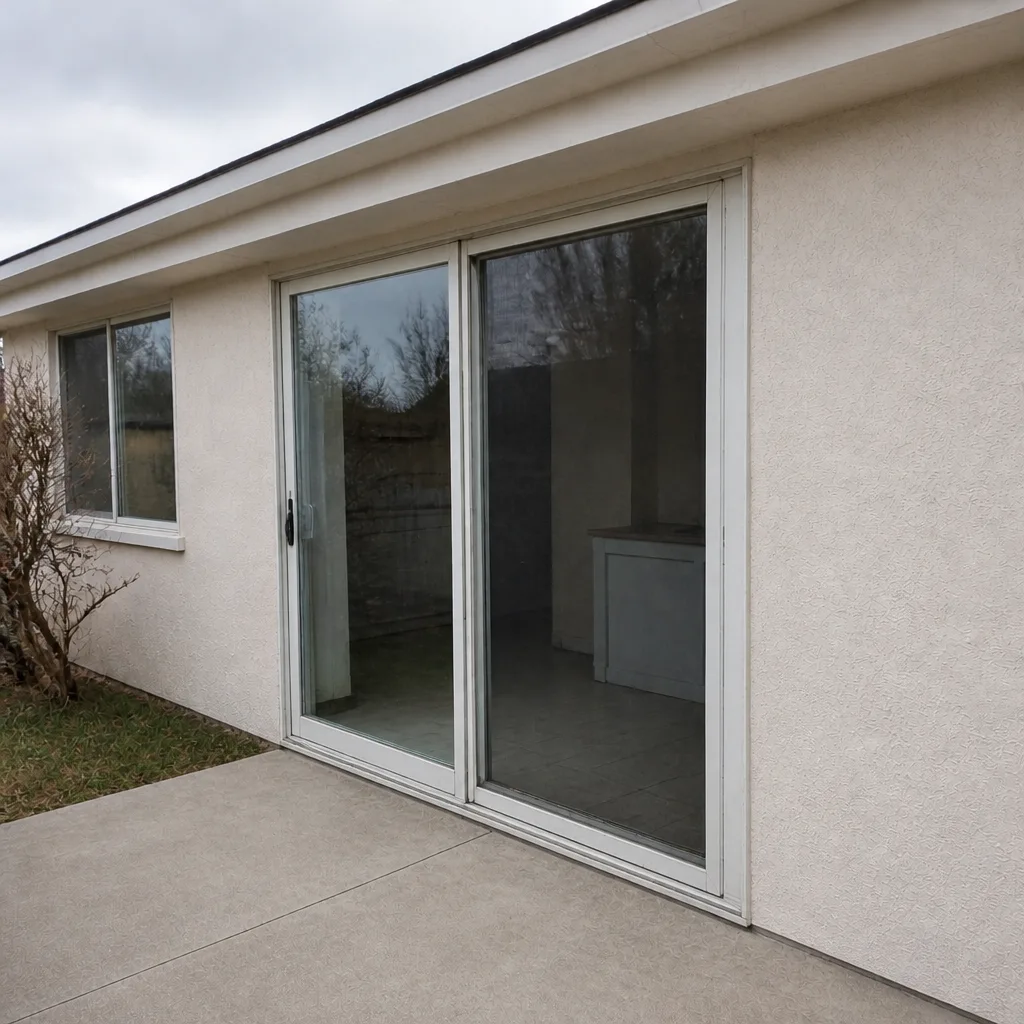
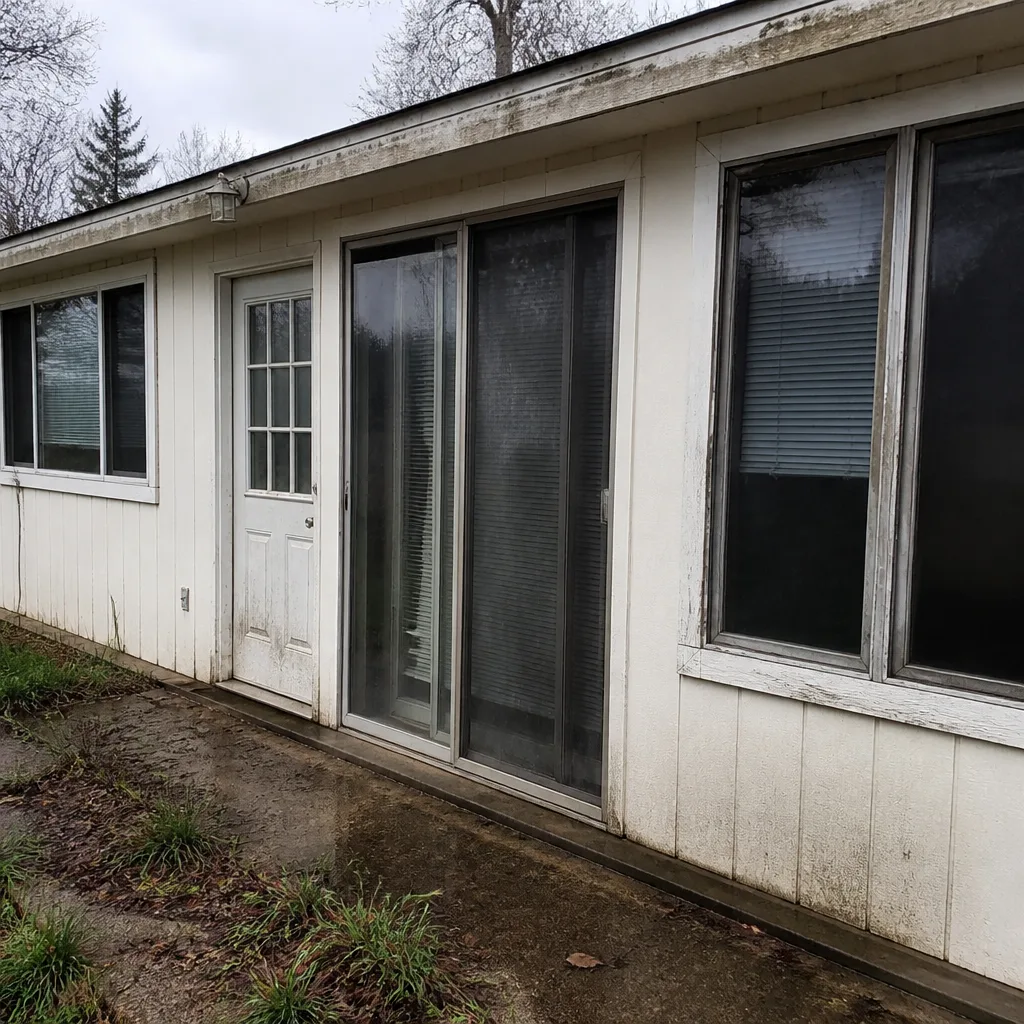
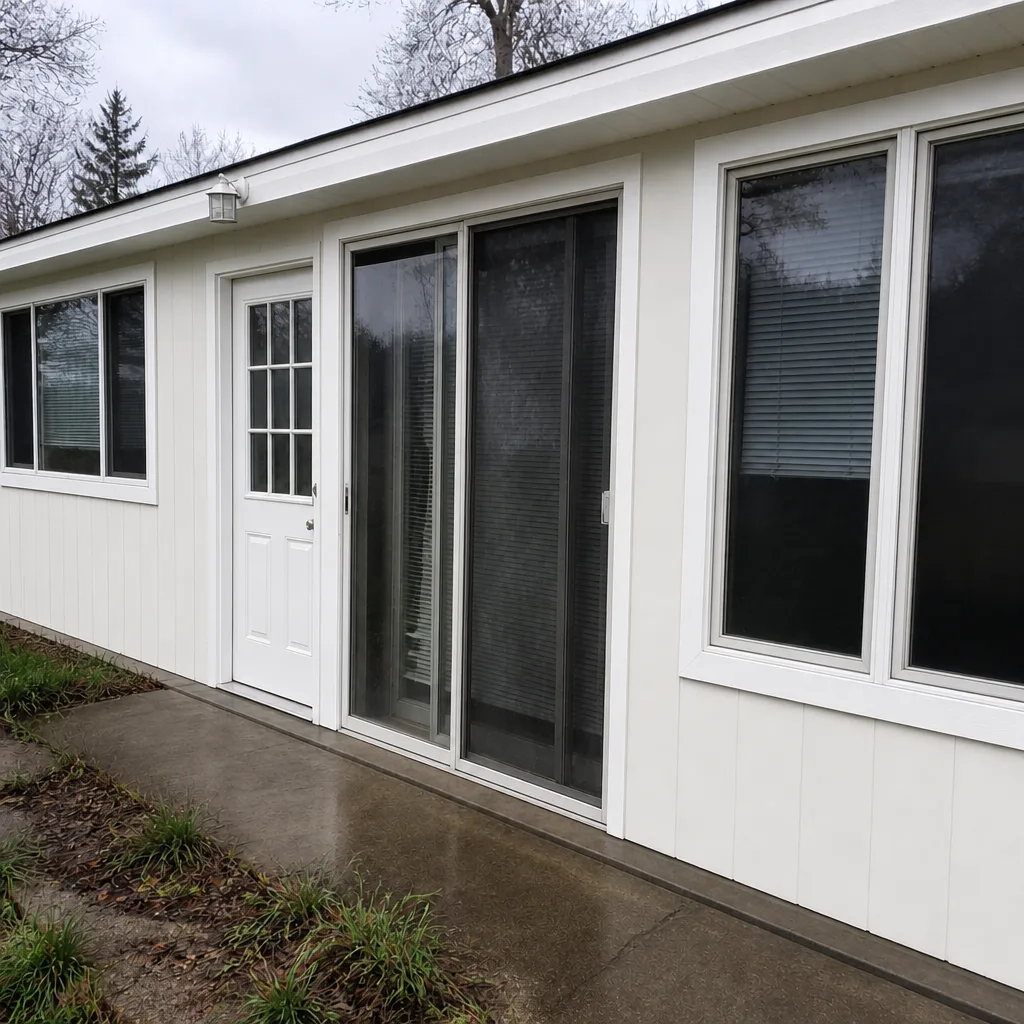
See the difference
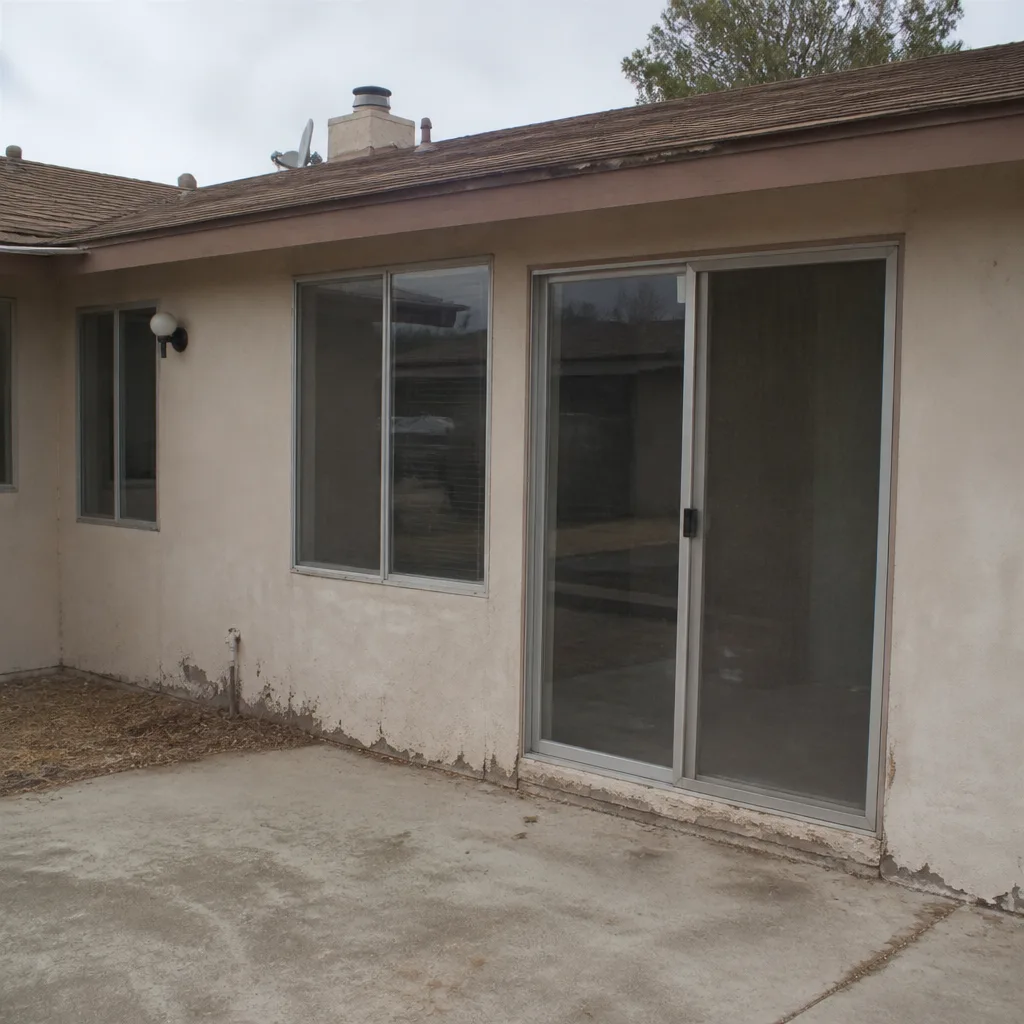 Before
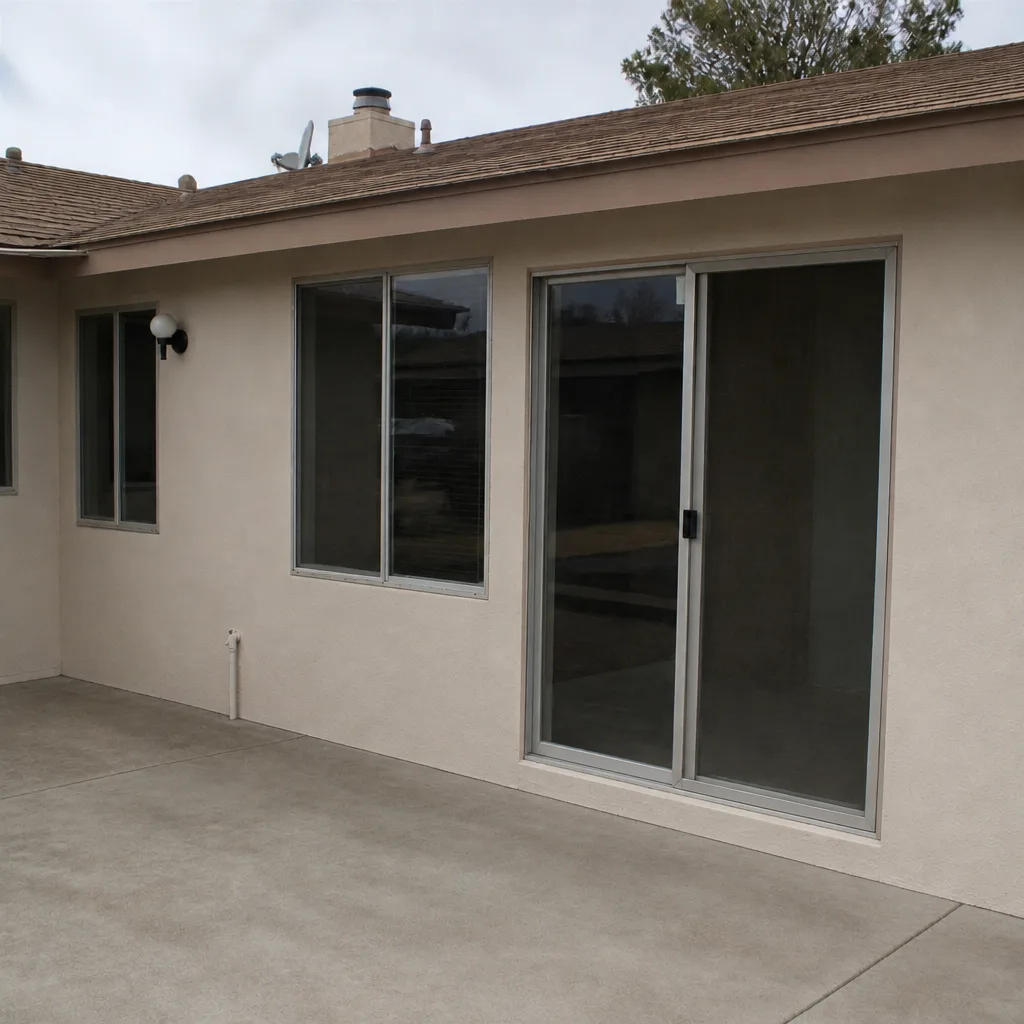 After
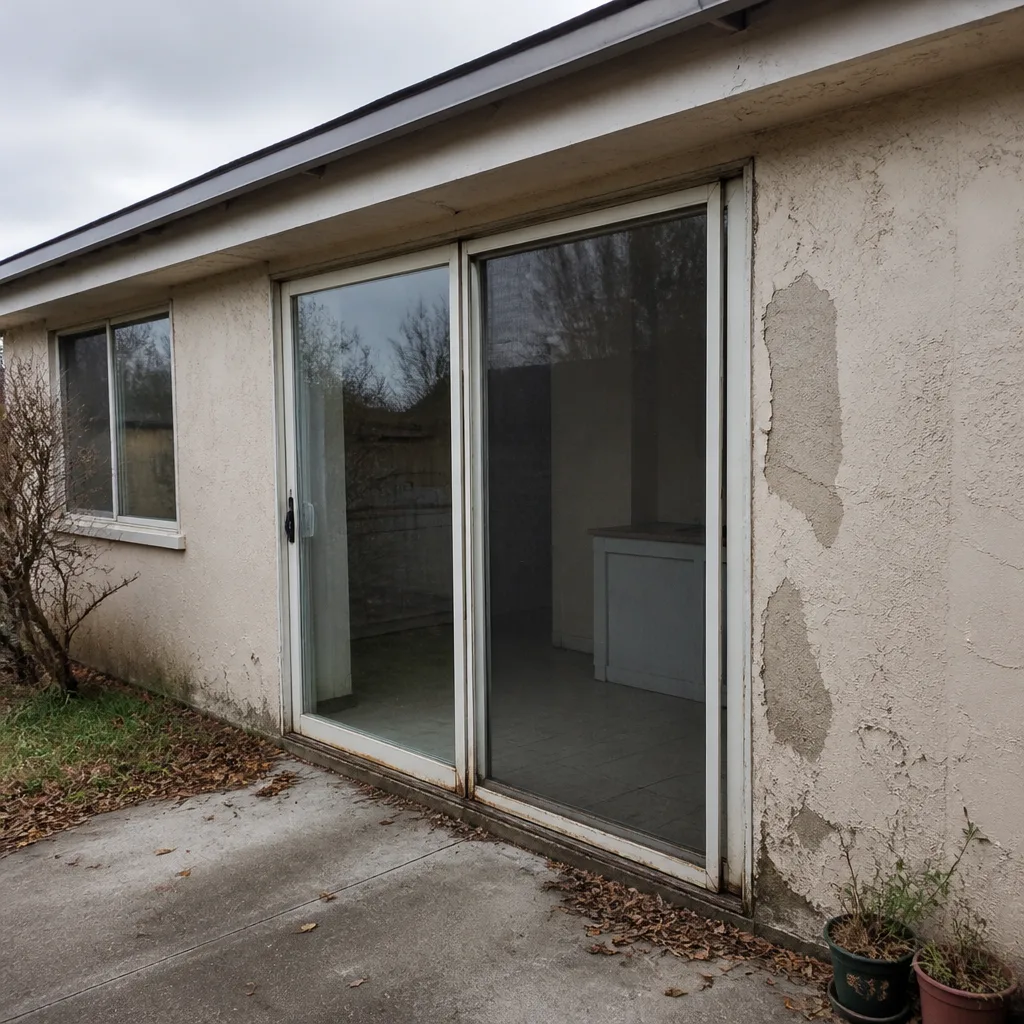 Before
 After
 Before
 After
When to Call a Professional
Most of the yearly care described above is owner work, and it’s worth doing. The call becomes necessary when the evidence points to something behind or inside the assembly: water intrusion you can’t trace to a specific joint, fogging between the panes on more than one window, frames that are no longer holding weather-strip, doors that won’t sit plumb regardless of hardware adjustment, or a summer monitoring log that keeps pointing at the same openings. Impact-rated products from PGT and CGI are worth a specialist conversation when storm exposure is a factor, and entry door replacements are a different scope than window service entirely. Window Replacement Paradise offers free estimates in Paradise – call (855) 763-9014. We answer 24/7. Fast dispatch from 7am to 7pm, Sunday through Friday.
Frequently Asked Questions
February and March, when substrate temperatures are moderate and stable enough for sealant to cure properly. Fall is a secondary window before overnight temperatures drop. Summer caulking in Paradise is usually a waste of the product, because surface heat causes premature skinning and poor adhesion.
Yes, but the risk comes from intensity rather than volume. Monsoon cells in July and August deliver short bursts of wind-driven rain that can push water into joints at angles they don’t normally face. After a storm, check interior sills and head areas for staining, and dry any window tracks before closing them again.
No. Fogging between panes means the sealed glass unit has lost its seal, and that unit can often be replaced on its own. Surface condensation on the room side is a different thing entirely and usually indicates interior humidity rather than a failed window. Call (855) 763-9014 for an exact quote – estimates are free.
No. Lubricate in fall, when frames contract and hardware settles, and always clean the tracks first. In Paradise, dust collects quickly, and lubricant applied over a dusty track turns into an abrasive paste. Summer heat also makes it hard to judge whether a binding piece of hardware is actually misaligned.
If the door swings freely and only drags at the threshold or sticks at the strike plate, it’s usually an adjustment. If the frame is out of square, the panel is warped, or the door no longer closes flat against the weather-strip, it’s worth pricing a replacement. Therma-Tru entry doors are part of our product lineup for that scope.
Exterior caulk lines and weep holes in late winter, hardware and tracks in fall, and condensation patterns in winter. Summer is for recording thermal expansion gaps and screen frame bowing rather than adjusting anything. A written log of what you see each season makes any future diagnosis faster and cheaper.
The Bottom Line
Paradise doesn’t hand you four equal seasons, so the standard maintenance calendar doesn’t fit. The year here works differently: February and March for exterior sealant and weather-strip, summer for monitoring rather than fixing, July and August for post-storm water checks, fall for lubrication and threshold adjustment, and winter for reading condensation. If you take one thing from this guide, take the timing. A repair done in the right month lasts longer and costs less than the same repair forced into the heat. Our technicians have up to 9 years of experience with windows and doors in this climate, and we’re happy to look at anything in your log that points to a specialist. For everything beyond routine care, start with a Window Replacement Paradise estimate, or visit our Paradise page to see how we work locally.
Call (855) 763-9014 for a free estimate on window or door service. We answer 24/7. Fast dispatch from 7am to 7pm, Sunday through Friday.
Written by the team at Window Replacement Paradise.