Last updated November 17, 2026
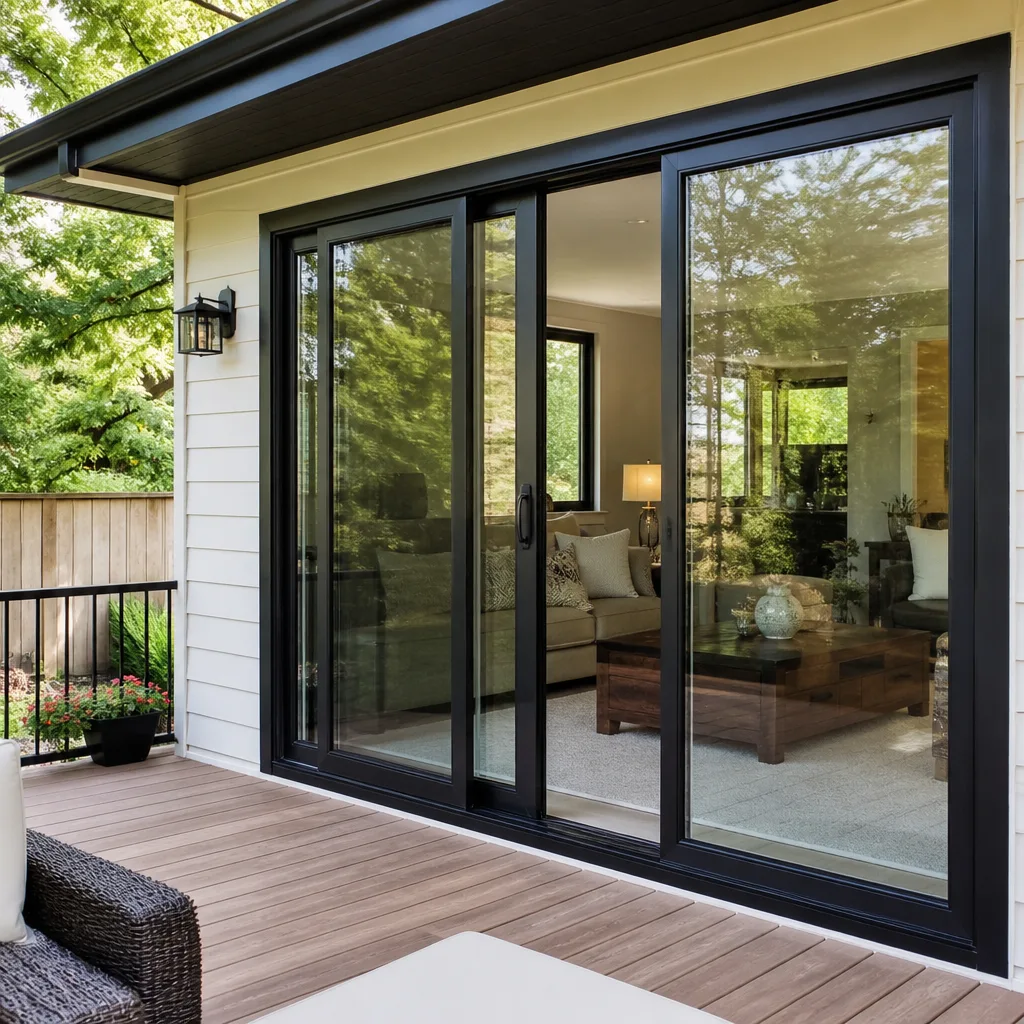 Sliding glass doors
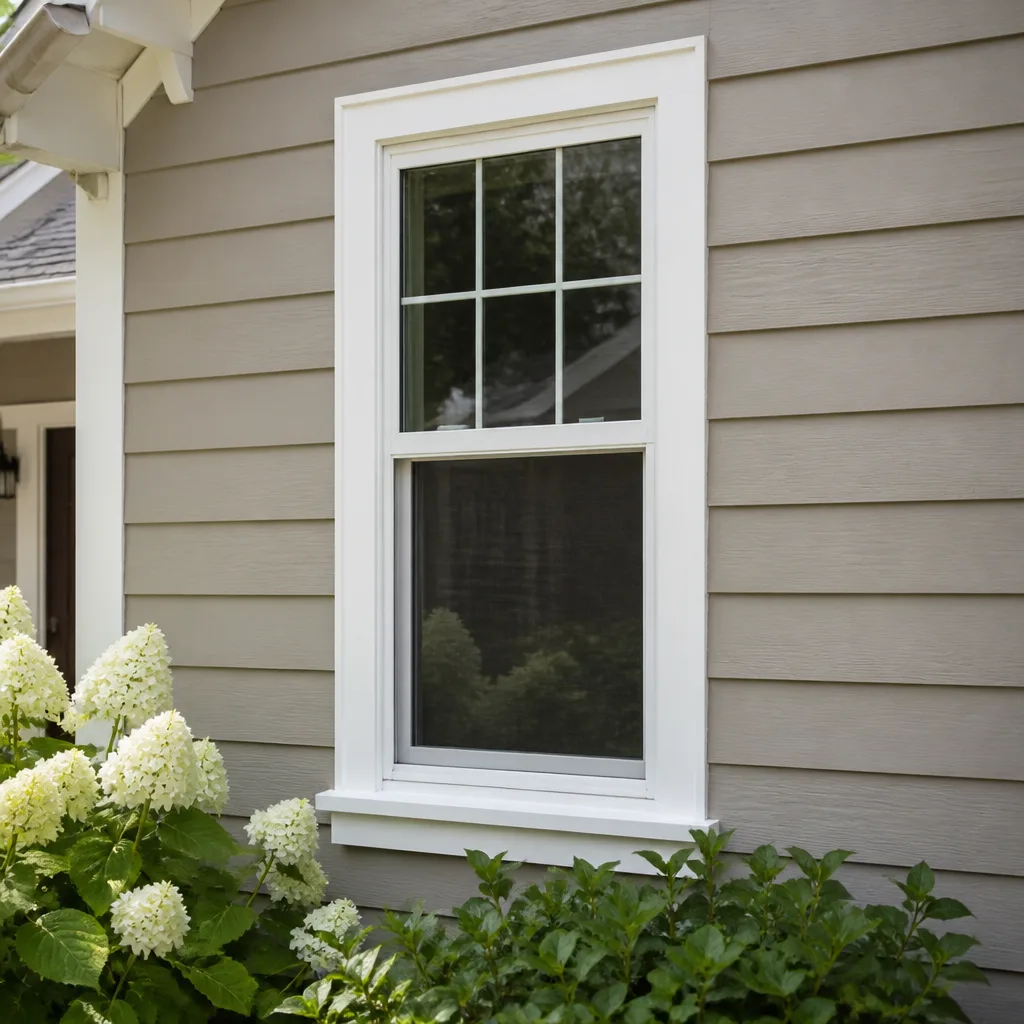 Single hung
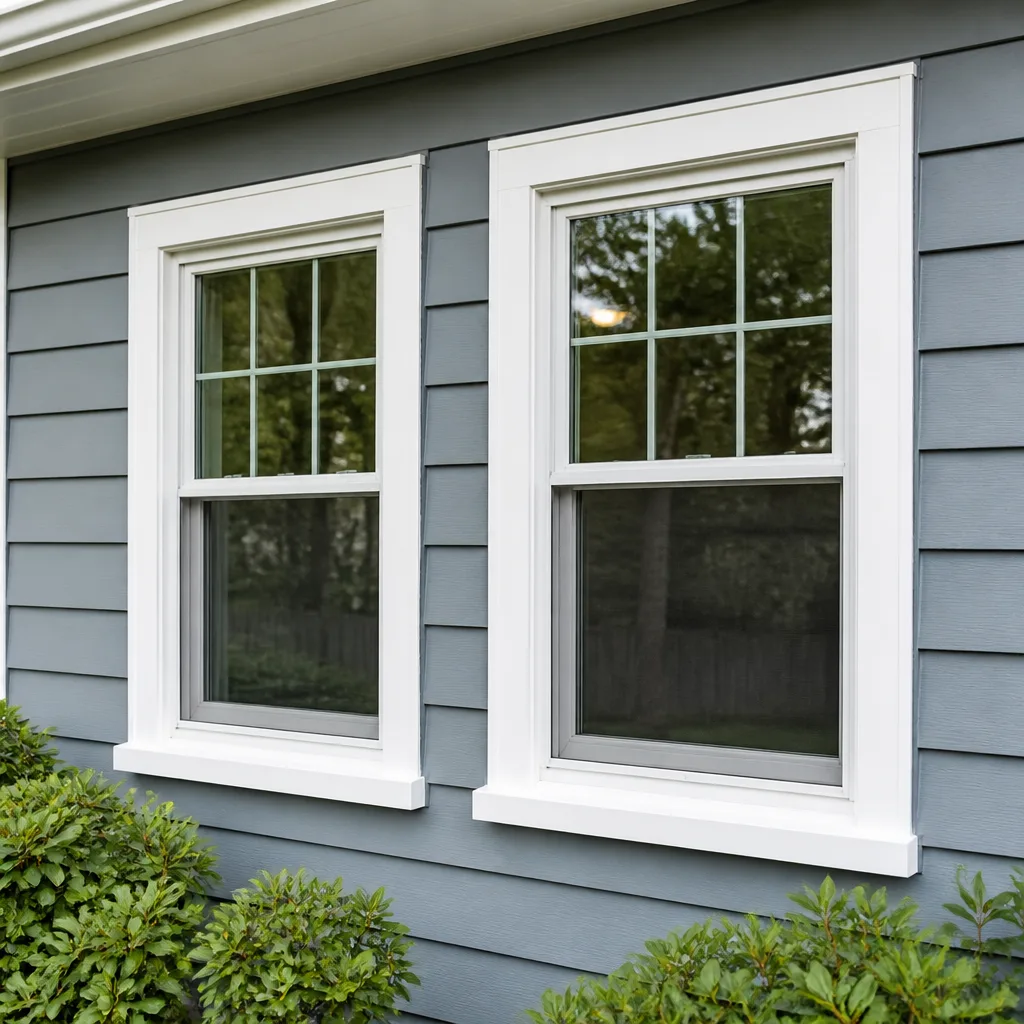 Double hung
 Horizontal roller
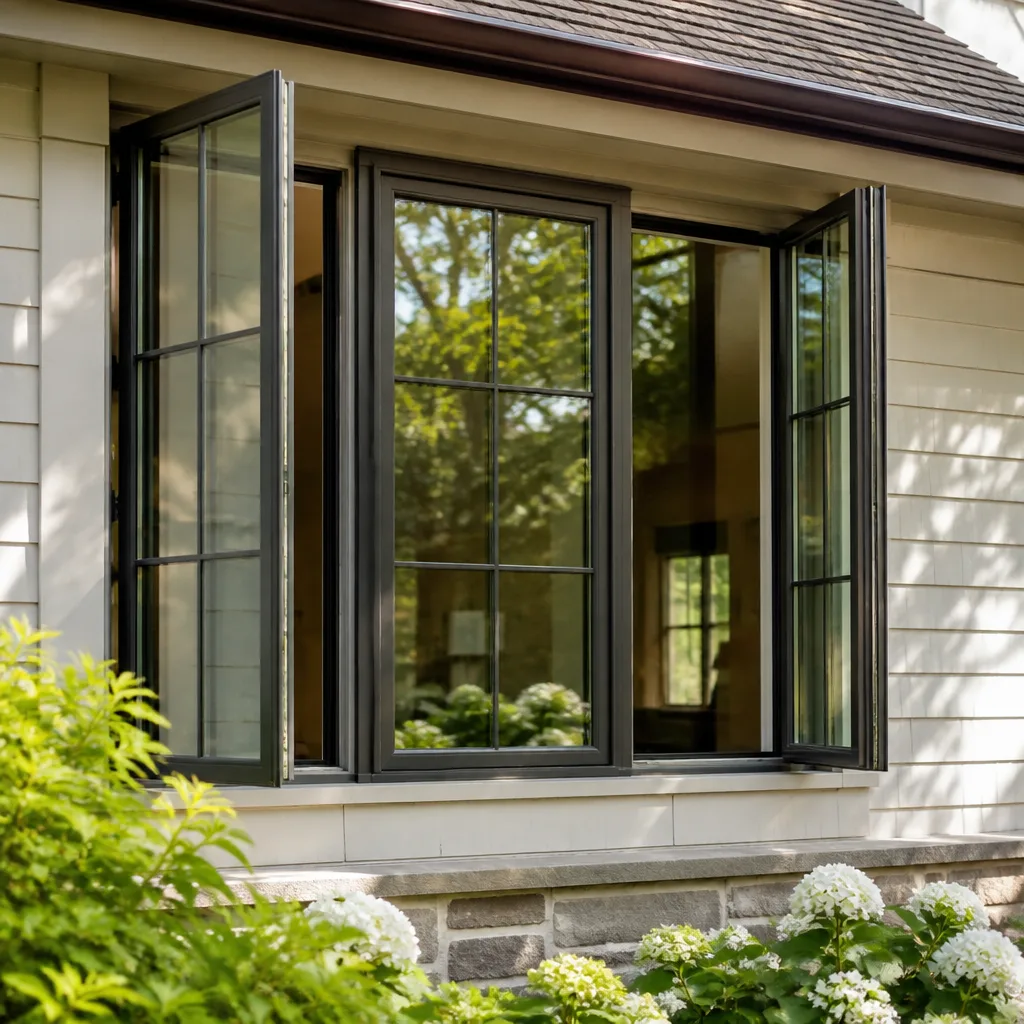 Casement
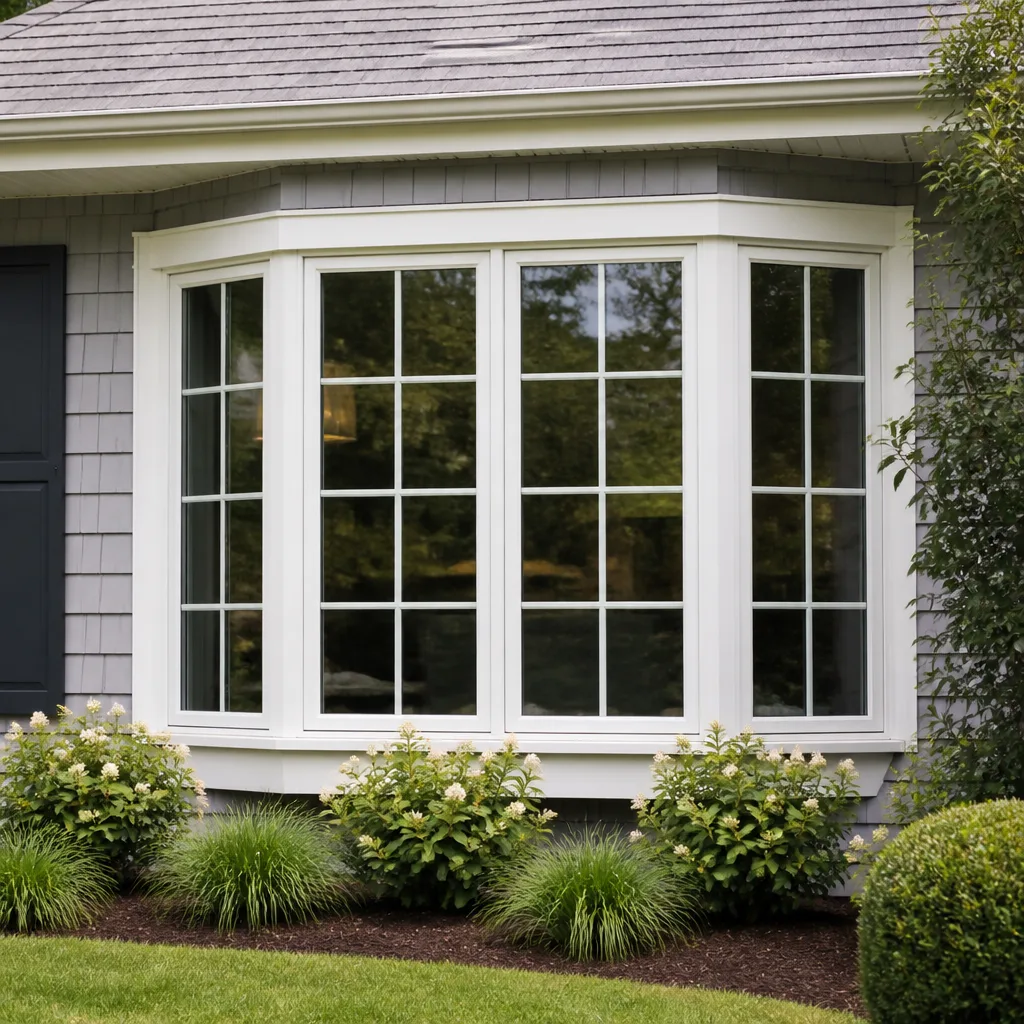 Bay & bow
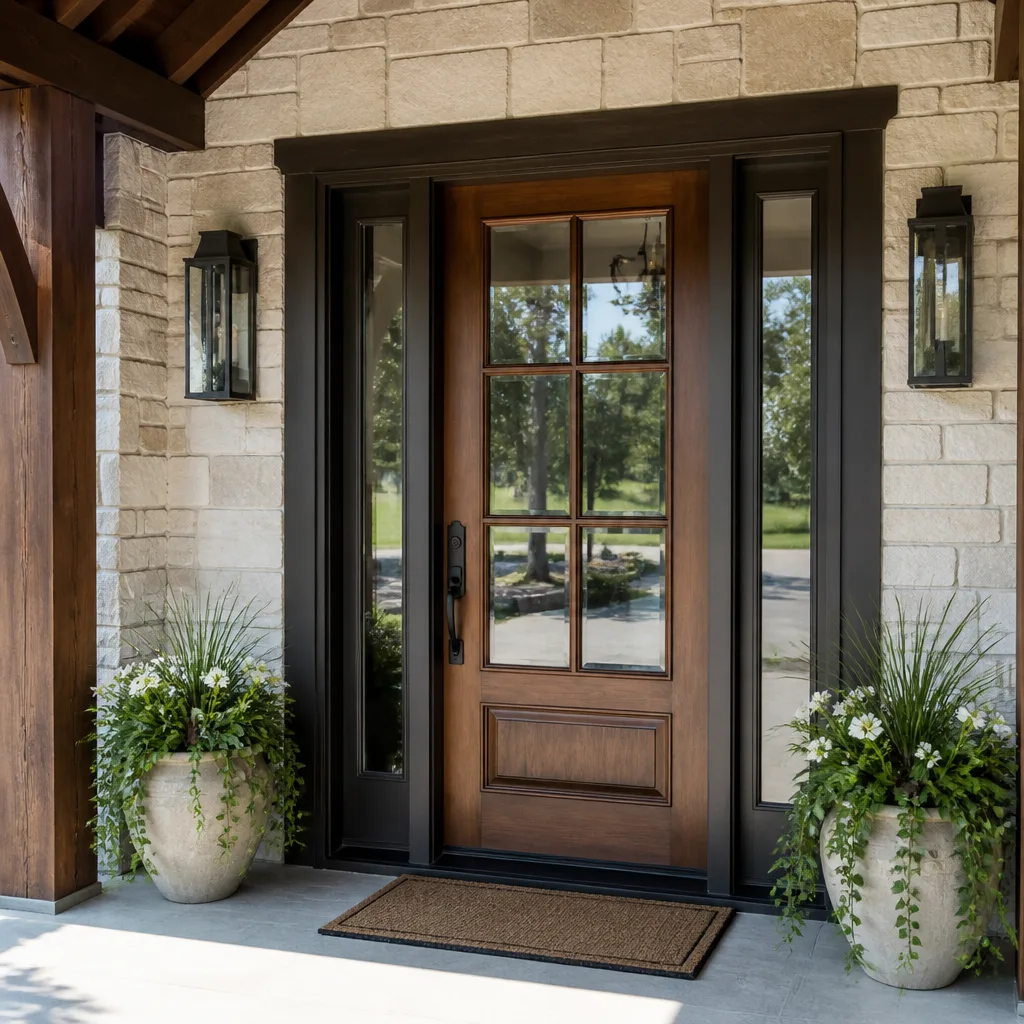 Entry doors
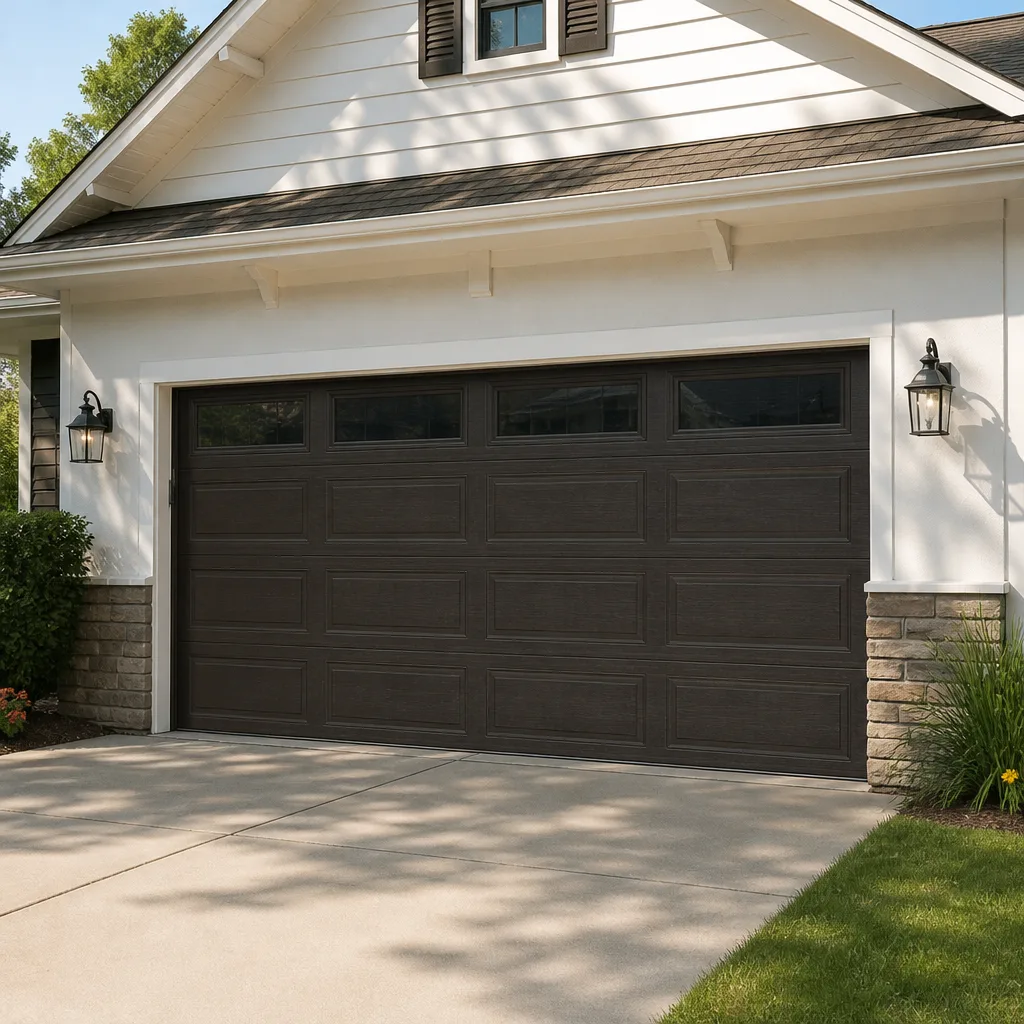 Impact garage doors
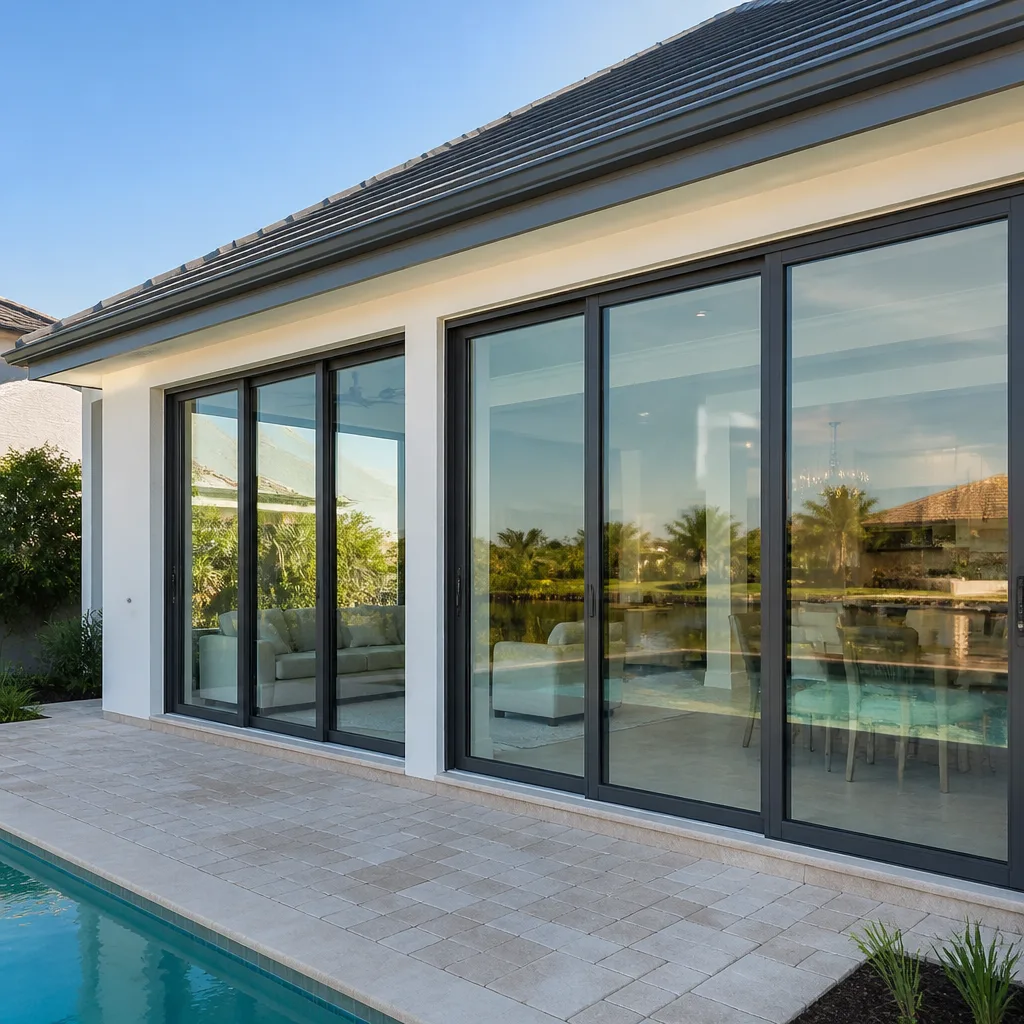 PGT
 CGI
Free in-home measure and quote - PGT, CGI and CWS impact lines compared on your actual openings, style by style
Get your free estimateWindows & Doors Warning Signs: A Paradise Homeowner’s Reference Guide
A sticky sliding door in Paradise usually isn’t a hardware problem. It’s a frame that has racked from thermal cycling, and lubricating the track without fixing the frame alignment means you’ll be back fighting it every summer. Most homeowners wait for broken glass or a door that won’t latch at all. The signs that actually predict failure show up years earlier and look like something else entirely: a little condensation, a faint funhouse-mirror wave in the glass, a chalky finish on the outside frame. This guide teaches you to read your windows and doors the way a specialist reads them.
Quick Answer
The warning signs that matter most in Paradise are not cracks or broken latches. They’re interior condensation in the wrong place, glass that distorts reflections, doors that need adjusting more than once, and frames that feel soft or chalky. All four point to a unit that’s losing performance and will likely need replacement rather than repair. A failing window or door rarely announces itself. It whispers first, and those whispers are what this guide helps you hear.
Styles & brands we work with
- Single hung
- Double hung
- Horizontal roller
- Casement
- Bay & bow
- Sliding glass doors
- Entry doors
- Impact garage doors
- PGT
- CGI
Table of Contents
- Normal Expansion Sounds vs. Frame Movement
- Detecting Argon Loss Before Fogging Appears
- Reading Condensation: Glass, Unit, or Frame
- When “It Just Needs Adjusting” Means Threshold Settlement
- What Chalky, Bleached Frames Are Telling You
- How Paradise’s Climate Stress-Tests Windows and Doors
- Repair or Replace: A Decision Framework
- Common Mistakes to Avoid
- When to Call a Professional
Normal Expansion Sounds vs. Frame Movement That Signals Anchor Failure
Windows and doors in Paradise talk to you. Vinyl and aluminum expand when the afternoon sun hits them and contract overnight when desert temperatures drop. That movement produces small, familiar sounds: a soft tick from a mullion, a light creak as the frame settles after a hot day, a faint snap when a vinyl sash cools. These are normal thermal sounds. They come and go, they don’t repeat on a schedule, and they don’t get louder over months.
Frame movement that signals anchor problems sounds and feels different.
- Priority sounds. A creak or pop tied to the same weather every time isn’t expansion. It’s a frame working against a fastener that has loosened or pulled out of the wall.
- Movement you can feel. Press the frame near each corner while the window is closed. A frame that noticeably shifts or ticks means the anchors are losing grip.
- Gaps that change. Look at the reveal around the sash. If the gap is uneven at the top corner or shifts when you push the sash, the frame has moved independently of the wall.
- Screws that back out. Visible screws that keep loosening after you snug them are a sign the anchor isn’t gripping solid material anymore.
Anchor failure matters more than the noise. A frame whose fasteners have loosened no longer seals against wind-driven rain or dust, and the whole unit can shift in a strong gust. In a desert climate, that loose frame also lets hot air leak in around the perimeter. If you can feel movement, that’s our signal that the window has to come out and the opening has to be inspected – not resealed over.
Detecting Argon Loss Before Fogging Appears
Insulated glass units (IGUs) are sealed assemblies. Between the two panes there’s a spacer, a desiccant, and a gas fill – argon in most energy-efficient units. The seal on that assembly fails long before you see actual fogging, and the first visible clue is optical, not physical.
Here’s how to check for it, using nothing but your eye:
- Look at a straight reflection in the glass. Stand inside and notice a reflected vertical line – a fence post, a wall edge, a window frame across the room. If the line looks wavy or slightly bent near one edge of the glass, the panes have begun to separate unevenly.
- Scan for a faint “oil slick” pattern. Damage to the spacer seal can let argon drift within the unit, producing an irregular film or shimmer that appears only at certain sun angles.
- Check for a darkened or discolored edge. Haze creeping inward from the perimeter is the desiccant beginning to work as intended, which means moisture has already entered.
- Compare it to the same window at a different hour. Optical distortion is easier to spot at an angle. Walk the room at mid-day and again in late afternoon.
By the time fogging is obvious, the unit has been failing for a while. Argon loss reduces the thermal performance the unit was sold on. We see this often in Paradise, where repeated high-to-low swings work the perimeter seal harder. Units from ViewLux and CWS can carry a gas fill with a solid seal; that’s a genuine performance reason to specify them on a replacement. If you’re already seeing distortion, replacement glass or a whole replacement is the real fix. Resealing a failing IGU is not a long-term repair.
Reading Condensation: Glass, Unit, or Frame
Where the moisture appears is the diagnostic. Three different locations mean three different problems, and homeowners often conflate them.
| Where it appears | What it usually means | What to do |
|---|---|---|
| Surface of the glass (inside) | Warm moist air from the house hitting a cold pane | Check relative humidity and ventilation first |
| Between the panes | Seal failure on the insulated glass unit | Replace the unit |
| On the frame or sash, near the edges | Air infiltration or thermal bridging around the frame | Inspect the frame and perimeter seal |
Surface condensation is the mild one. Interior moisture is normal in a home. The fix is often larger than replacing the glass – better ventilation, a bathroom exhaust that actually vents outside, fewer plants crowded against the windows. If it’s persistent, it usually means the window is the coldest surface in the room, which is a performance signal in itself.
Condensation between the panes is the clearest possible evidence of IGU seal failure. No amount of wiping or ventilation will fix it. The unit has taken on moisture and will only thicken with fog over time.
Condensation collecting on the frame, especially along the bottom sash rail or near the corners, is the sneaky one. That’s not a glass problem. It means air is leaking in and the frame is the cold bridge. A perimeter seal that has failed and a frame that has shifted are both possible. Inspect the seal and the frame movement first.
When “It Just Needs Adjusting” Means Threshold Settlement
A door that drags, sticks, or won’t latch is usually adjusted first: hinge screws tightened, strike plate moved, gap realigned. If that holds for a month and then the door sticks again in the summer, the adjustment wasn’t the problem. The door is telling you that the threshold has settled or the header has begun to sag.
- Sticks to the point where you have to shoulder it. That’s not a hinge. That’s the door frame out of square.
- Drags at the threshold in warm weather, clears in cooler months. A door that moves with the season is reacting to frame movement, not hinge play.
- Strike plate keeps slipping out of alignment. If you’ve had the strike plate repositioned more than once, the frame has moved – not the plate.
- Gaps that open at the top corner. A gap between the door and the frame at the top lock side is the classic header sag signal.
- Screws in the strike plate back out again and again. They’re not gripping wood anymore because the wood is moving under them.
Threshold settlement on a sliding or entry door is common when a slab shifts against the stoop or the frame has been under stress. In Paradise, the wide day-to-night swing puts a lot of movement into an entry door that faces full sun. Tightening alone won’t hold. If a door has needed the same adjustment twice, we recommend a closer inspection of the frame – and a real conversation about replacement. Entry doors from Therma-Tru are often the practical route when the frame is done, because they include the full door system rather than a slab swap.
What Chalky, Bleached Frames Are Telling You
UV exposure doesn’t just fade the paint on your car; it degrades the material of your window frames. If the finish on the outside face has gone chalky, the matte patina isn’t cosmetic. It’s the surface layer breaking down. What’s happening underneath matters more than the color.
- Vinyl and painted aluminum: UV attack strips away the top layer of finish, leaving the material porous and feeding the chalkiness.
- Wood: Finish loss lets UV degrade the lignin. The wood underneath will turn gray, then take on moisture, then soften.
- Fiberglass: Finish loss exposes the substrate. The frame can read “faded” while it’s actually absorbing more heat.
- Chalking is progressive. The surface layer that’s gone is gone. Once weathering starts, it accelerates.
Chalky frames often come with smaller, connected problems: cracked caulk lines at the perimeter, a sash that no longer slides easily because the frame is rough, and a perimeter seal that’s taken in heat. When you add it up, the window is no longer sealing properly and isn’t going to stop degrading on its own.
UV performance is also what’s happening on the glass side. A window that’s lost its finish on the frame is a window whose glass coating has taken a beating too. In Paradise, where sun exposure is intense year-round, this is a real signal. We see finishes holding up better on brands that build their frames for this climate. That’s part of why PGT and CGI sit in our lineup for homeowners dealing with serious sun exposure, while products like Mr-Glass and ECO Window Systems cover performance levels that match a tighter budget without trading away the basics.
How Paradise’s Climate Stress-Tests Windows and Doors
Paradise sits in a desert valley with big daily temperature swings. A summer afternoon can push a frame into real thermal expansion, then the overnight low contracts it back. That cycle repeats most of the year. Windows and doors here don’t just have to look good; they have to survive a climate that works the material every single day.
Two practical consequences follow. First, a solid installation matters more than the brochure. Perimeter sealing, proper flashing, and correctly anchored frames keep a well-built window performing through the swing. Second, material choice matters. Impact-rated lines from PGT and CGI are the obvious fit for storm performance, but they also handle thermal cycling with more stability than a lighter frame. We carry ES Windows for homeowners who want an impact-rated option at a different tier, and CWS for a straightforward performance-and-value spec.
If you’re evaluating options for a whole house in Paradise, it helps to think about the openings in two groups: the ones that get the most sun and weather, and the ones that sit in shade. The exposed group deserves the better product. This is where brand flexibility pays off. Eight manufacturers means we can put a premium line on the sun-baked west wall and keep a value line on the shaded north side of the same house – one contractor, every opening. That’s the whole point of the portfolio.
Repair or Replace: A Decision Framework
The hardest call is whether a warning sign needs a repair, a glass swap, or a full replacement. Three things usually settle it.
- Is the frame sound? If the frame is solid, aligned, and doesn’t move under pressure, a repair can make sense. If the frame is moving, chalky, or out of square, replacement is the practical answer.
- Is the glass unit failing? Fogging, optical distortion, and condensation between panes all mean the IGU is done. A glass swap can fix that if the frame is still good. If the frame is also failing, a new unit is the cheaper call over time.
- How many signs are present? One sign – dragging door, one fogged window – can be an isolated failure. Three or more of the warning signs in this guide on the same window or door usually means the whole assembly is at the end of its service life.
Cost plays into it, but not the way you’d think. A glass swap that’s purchased twice costs more than a replacement once. Repairs keep failing because the underlying assembly has moved past its limitation. That’s the conversation we have on most inspections – not “you need new windows” but “here’s what the signs add up to on this unit.”
Common Mistakes to Avoid
- Lubricating a sticky sliding door without checking frame alignment. The lube feels great for two weeks. Then the drag comes back, because the frame was the problem all along.
- Treating condensation as a cleaning problem. Wiping condensation between the panes does nothing. It’s inside the unit. If you see fog at all, the IGU seal has failed and the real problem is already there.
- Assuming chalky finish is only cosmetic. Once the finish is gone on a Paradise window frame, the material underneath is exposed to the same UV that removed the finish. The performance is already slipping.
- Tightening a header-sagging door over and over. If the screws won’t hold, they’re not in solid material. The door will keep coming back out of alignment until the frame is dealt with.
- Replacing glass when the frame is already moving. New glass in a frame that racks under thermal swing will leak air within a season. Fix the frame or replace the unit.
- Skipping a full inspection because one window looks fine. Thermal stress is often uneven across a house, and the weathered openings tell you a lot about the interior ones.
- Buying on price alone without matching product to climate. A cheap frame in a Paradise window opening will cost you again in five years. Matching the product line, like PGT or CGI for exposed walls, is the smarter budget decision over the long haul.
When to Call a Professional
Some warning signs need a trained eye, and a few need a trained hand. If your frame moves when you press it, if a door has been adjusted more than once, if you see fog between panes or condensation collecting on the frame, or if a window’s finish has gone chalky, that’s the point to call. The same applies when more than two windows in the same room show the same sign. When it comes to safety, a tired window or door that has stopped closing square or anchored loosely is a pane under stress, and a glass failure isn’t something to work on yourself. A trained installer knows how to inspect, remove, and replace it safely. Our technicians have up to 9 years of experience, and windows and doors are all we do. Need an exact quote? Window Replacement Paradise offers free estimates in Paradise. Call (855) 763-9014 and we’ll take a look.
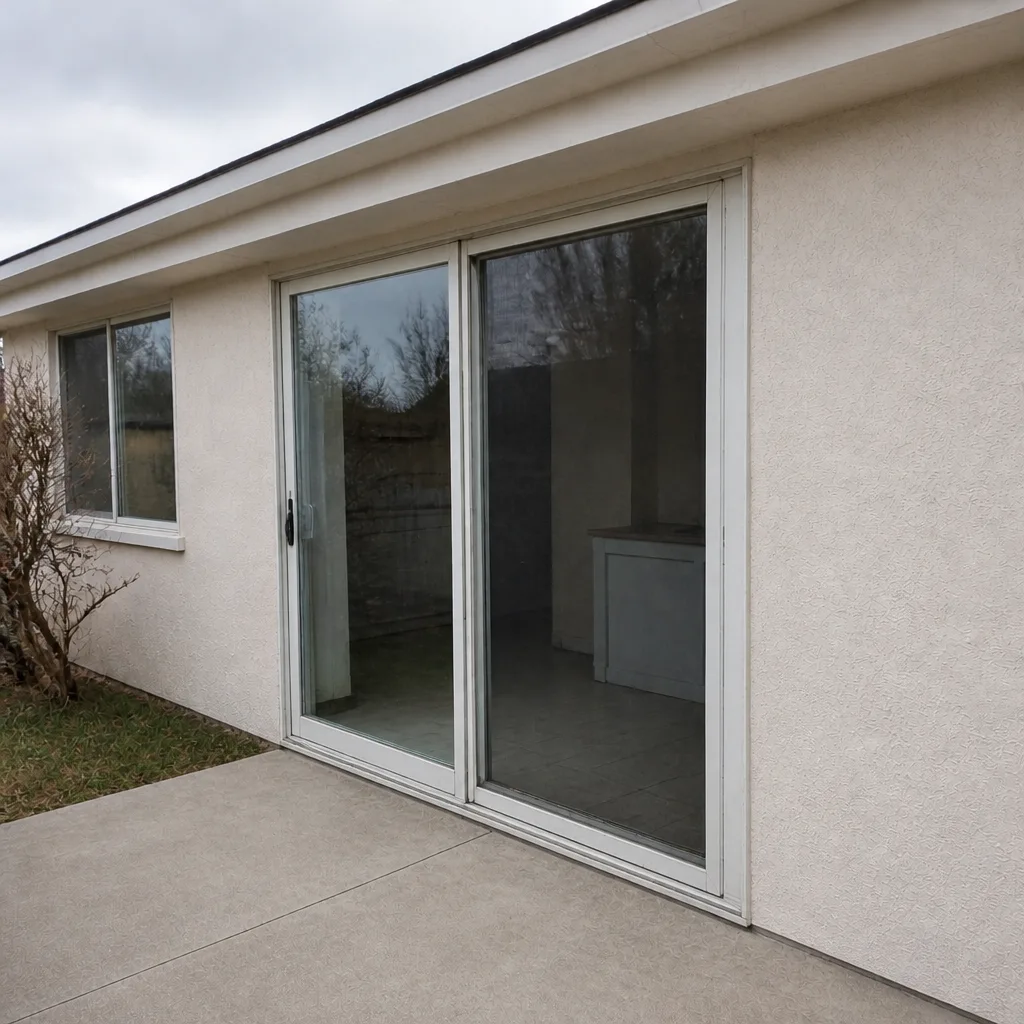
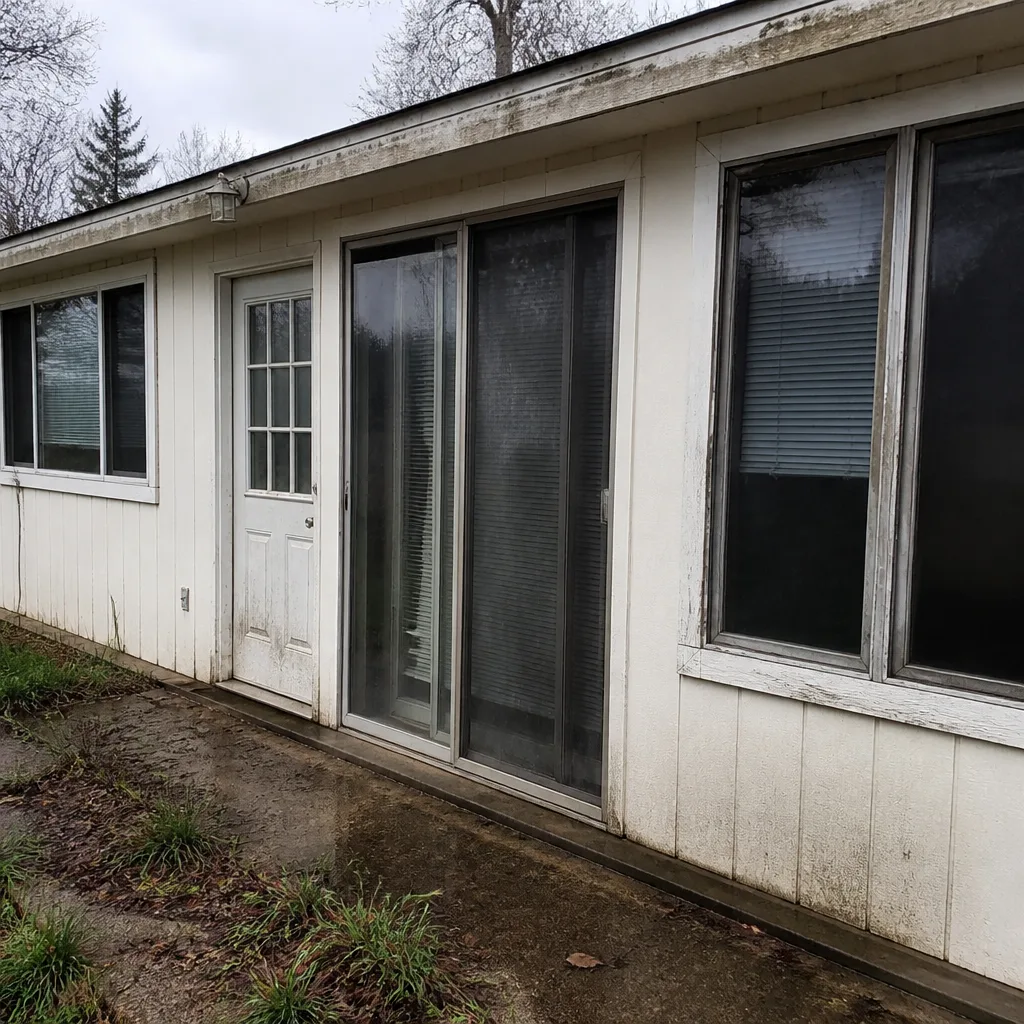
See the difference
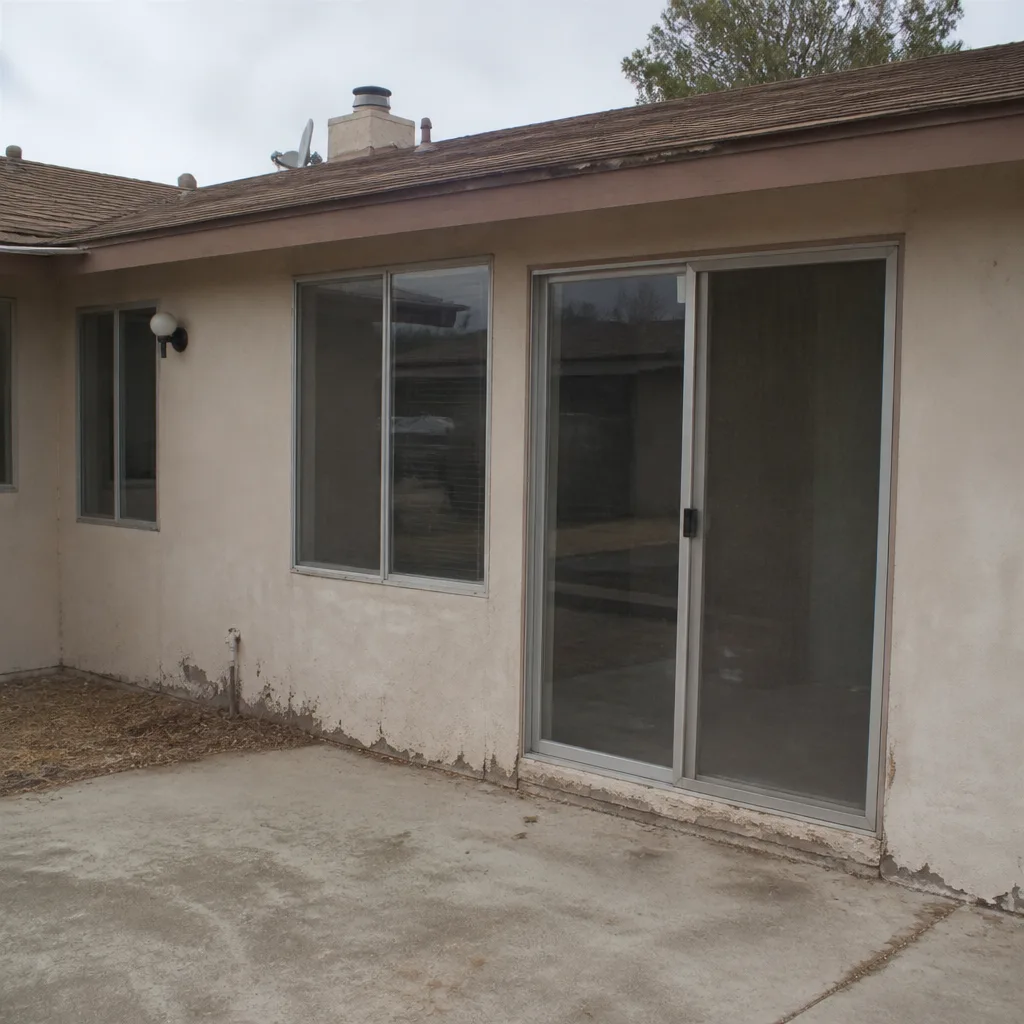 Before
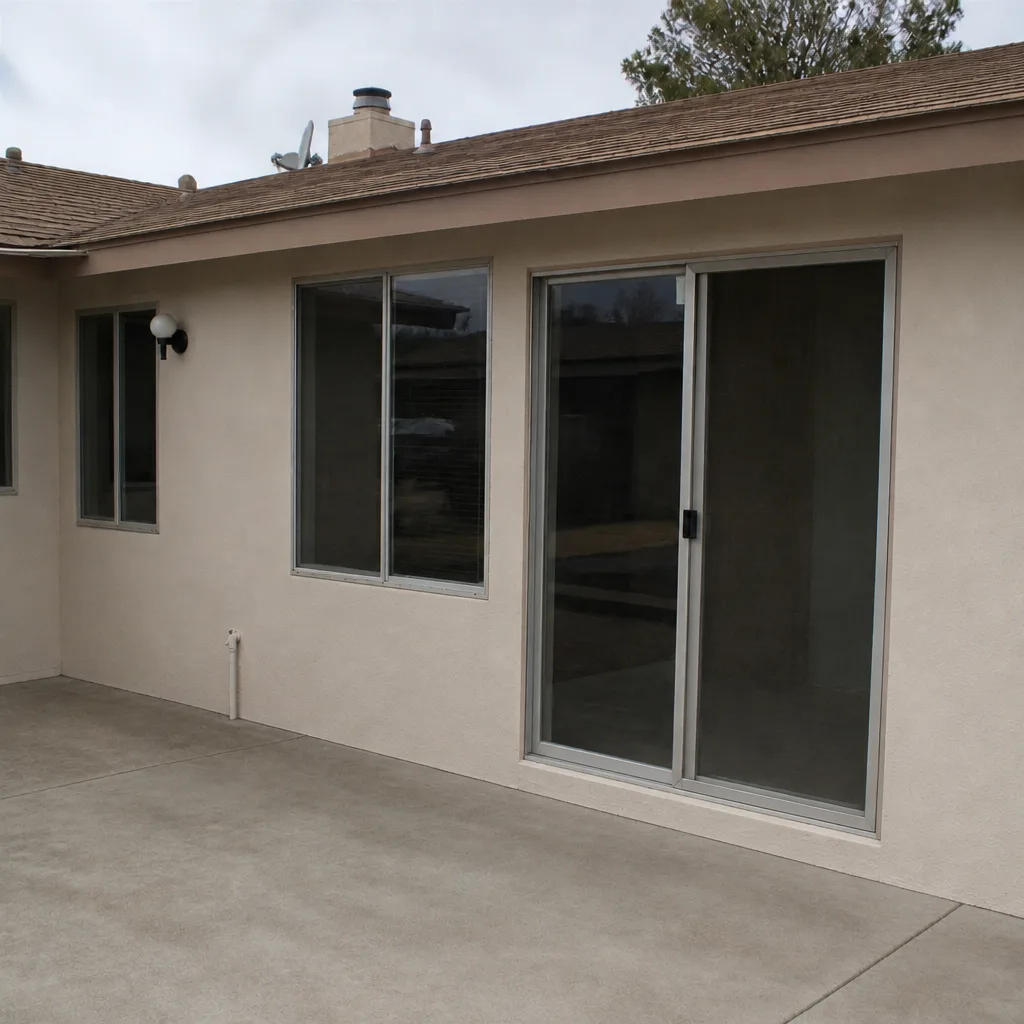 After
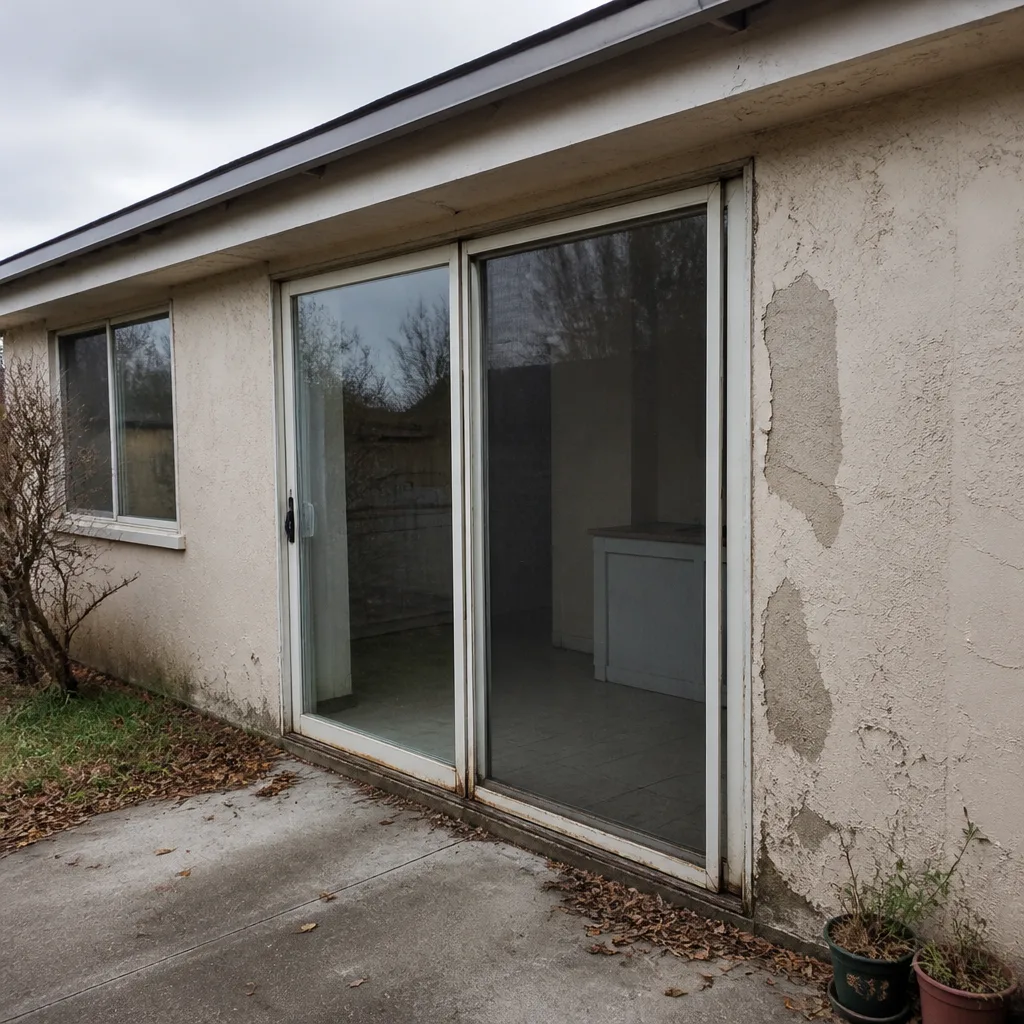 Before
 After
 Before
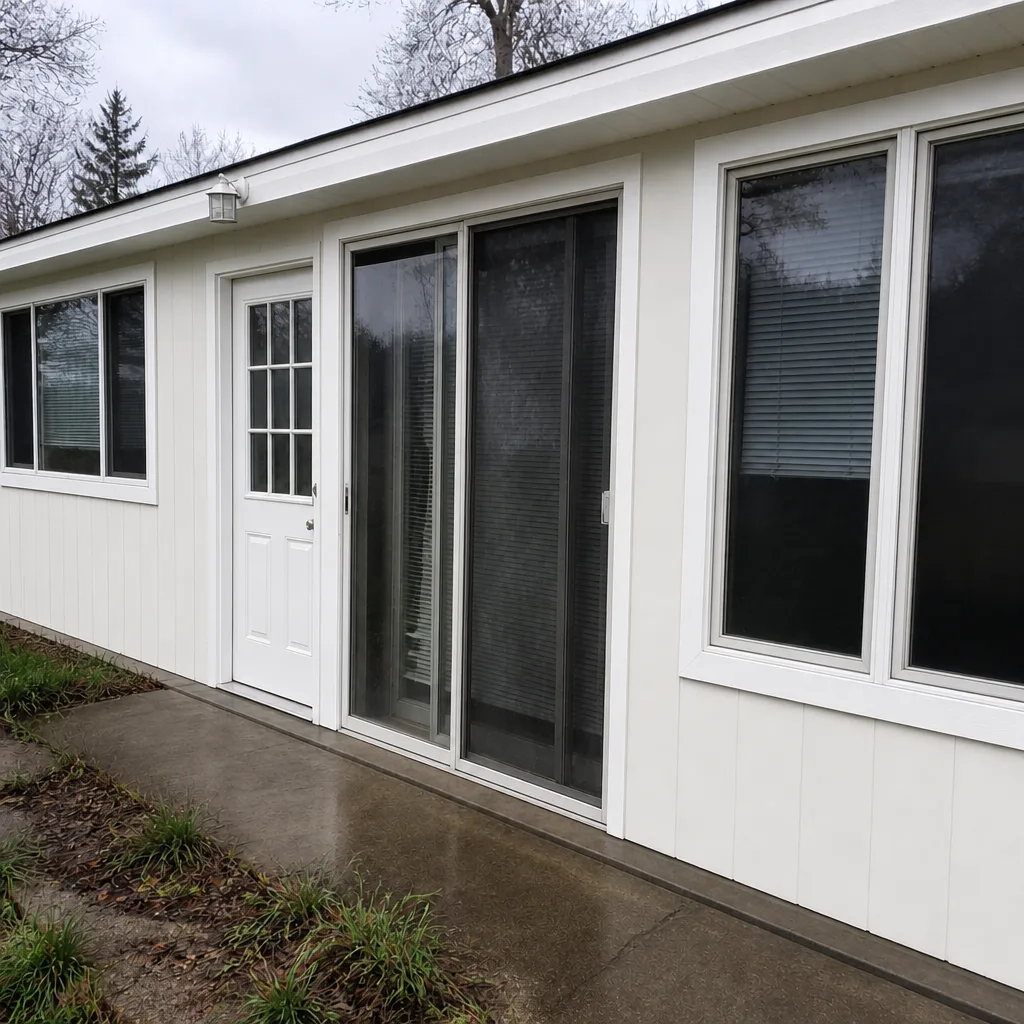 After
Frequently Asked Questions
The earliest signs are optical distortion in the glass, condensation collecting on the frame, a door that needs repeated adjustment, and a finish that has started to chalk. Each one points to a performance problem before any visible failure like fogging or cracking. If you’re seeing two or more on the same opening, it’s worth a professional look. Call (855) 763-9014 for a free estimate.
Yes. Condensation between the panes means the insulated glass unit has lost its seal and is taking on moisture. The only real repair is replacing the glass unit, and if the frame has also shifted, replacing the whole unit makes more sense. Either way, it’s a sign worth checking. Call (855) 763-9014 and we’ll walk you through your options.
No. A sliding or entry door that needs adjusting every year is telling you the frame or threshold is moving, not that the hardware is wearing out. Thermal cycling in Paradise and settling at the threshold both cause this. Once is a tune-up; twice is a warning sign. Call (855) 763-9014 to book a free estimate.
Chalky, faded finish is UV degradation of the surface layer, not just a cosmetic issue. Once the finish is broken down, the material underneath is exposed to the same sun and will keep degrading. In Paradise, that means the frame’s weather sealing is taking on damage too. If you want to price a replacement, call (855) 763-9014 – the estimate is free.
Frame movement usually means the anchors have loosened or failed, and the seal is compromised. A reseal won’t fix a frame that is no longer gripping the wall. Most moving frames need to come out and the opening inspected. This is the kind of thing that’s worth a professional diagnosis before you decide. Call (855) 763-9014 to schedule an inspection.
A reasonable shortlist includes PGT and CGI for impact-rated and energy-efficient performance, and ViewLux for a premium finish. We also install CWS, ES Windows, ECO Window Systems, and Mr-Glass, so there’s a real spread of price and performance tiers to compare. If you want a side-by-side review for your openings, call (855) 763-9014. We’re happy to talk product. You can also start with window installation and we’ll match product to your home, not the other way around.
The Bottom Line
The warning signs that matter in Paradise aren’t the ones every homeowner watches for. Optical distortion, condensation in the wrong place, doors that need repeated adjusting, and chalky frames all show up years before a window fails outright. Read those signs early and you have choices: replace one unit, upgrade a whole room, or leave a sound window alone. Wait for the obvious failure and you’re replacing on someone else’s schedule, usually in a hurry. This is the kind of reference we hand to homeowners before the conversation turns to product. If you’d like a specialist to read your windows and doors with you, call (855) 763-9014 for a free estimate.
Read Next and Get an Estimate
The best window or door is the one matched to your opening, your exposure, and your budget. That’s the thinking behind Window Replacement Paradise, where we install from eight manufacturers so there’s a real choice on the table. When you’re comparing brands, start with window replacement and we’ll walk through the options with you – PGT, CGI, and ES Windows for impact-rated and energy-efficient needs, CWS and Therma-Tru for practical durability, and ViewLux and Mr-Glass when finish and price tier matter. Windows and doors are all we do, which means every recommendation and every install comes from a specialist, not a generalist. Call (855) 763-9014 for a free estimate. We answer 24/7. Fast dispatch from 7am to 7pm, Sunday through Friday.
Written by the team at Window Replacement Paradise.