Last updated November 17, 2026
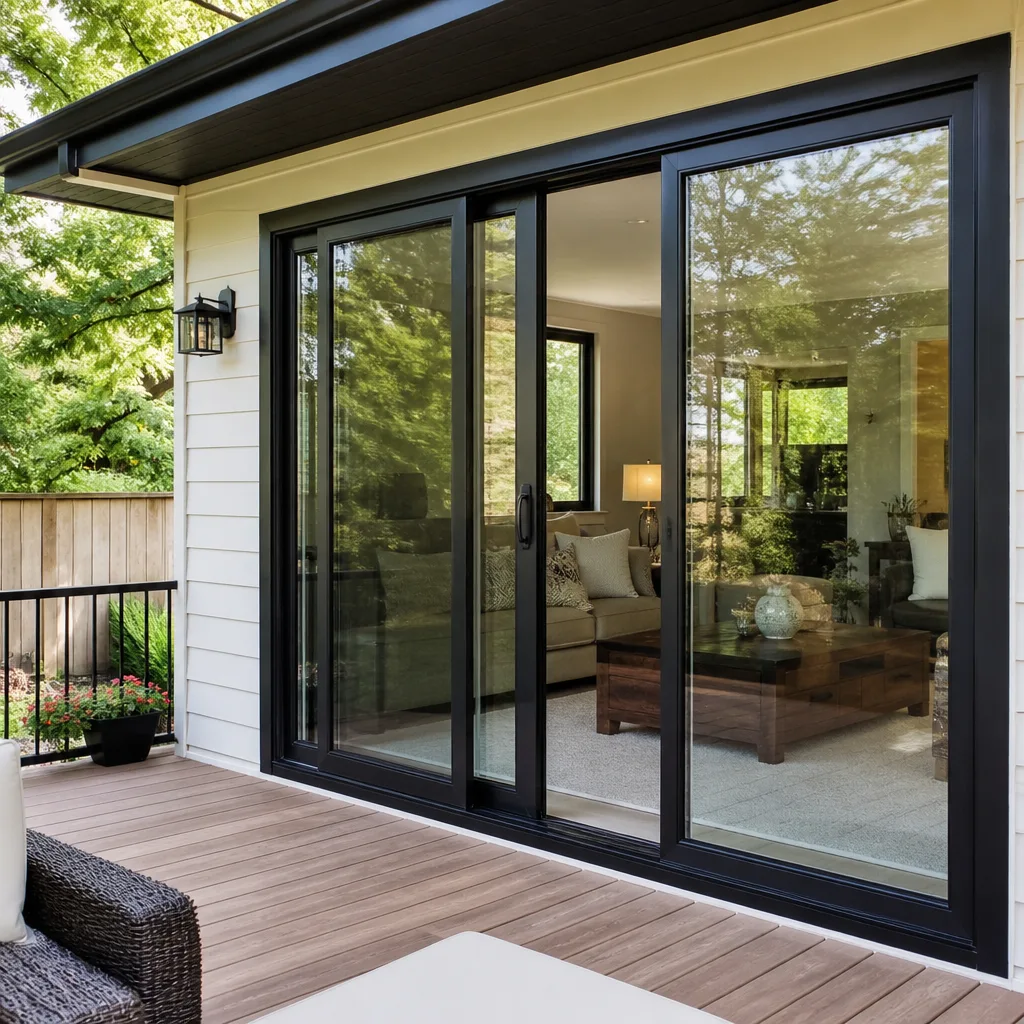 Sliding glass doors
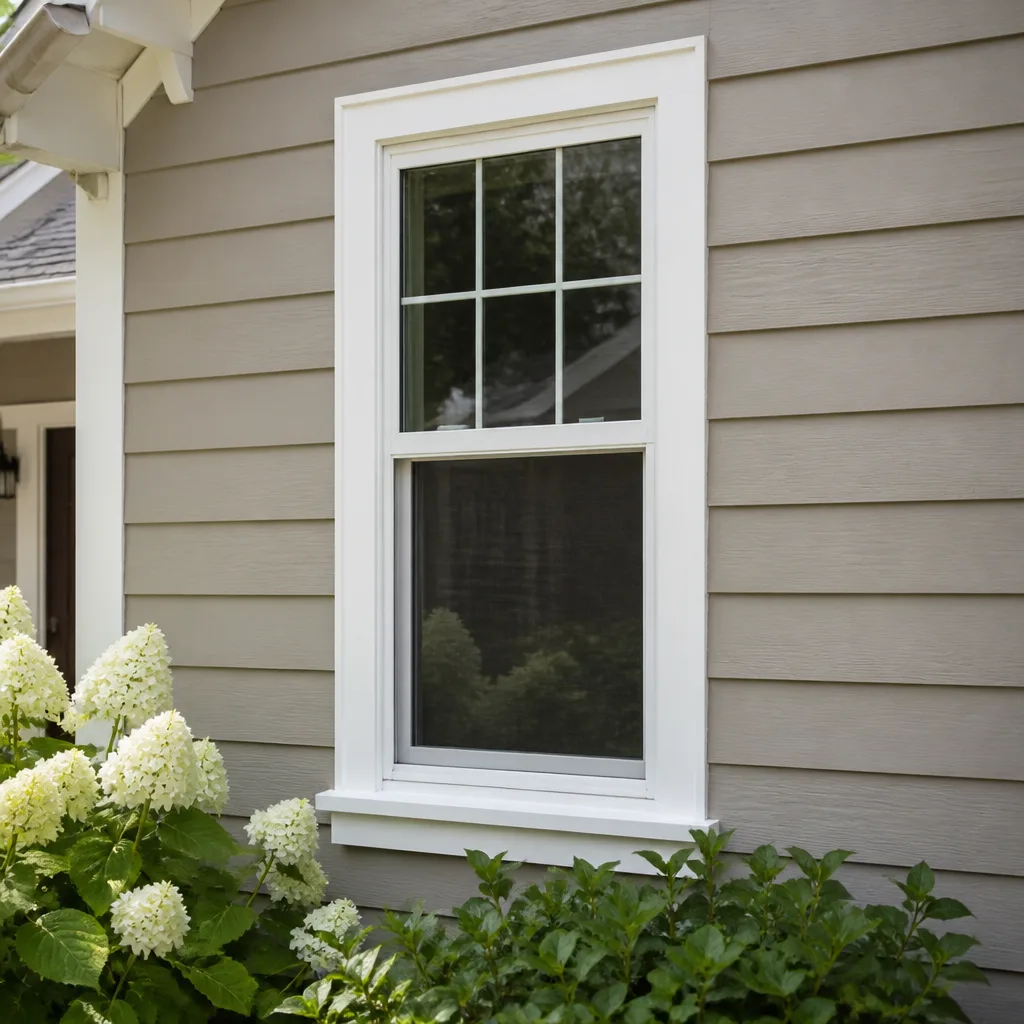 Single hung
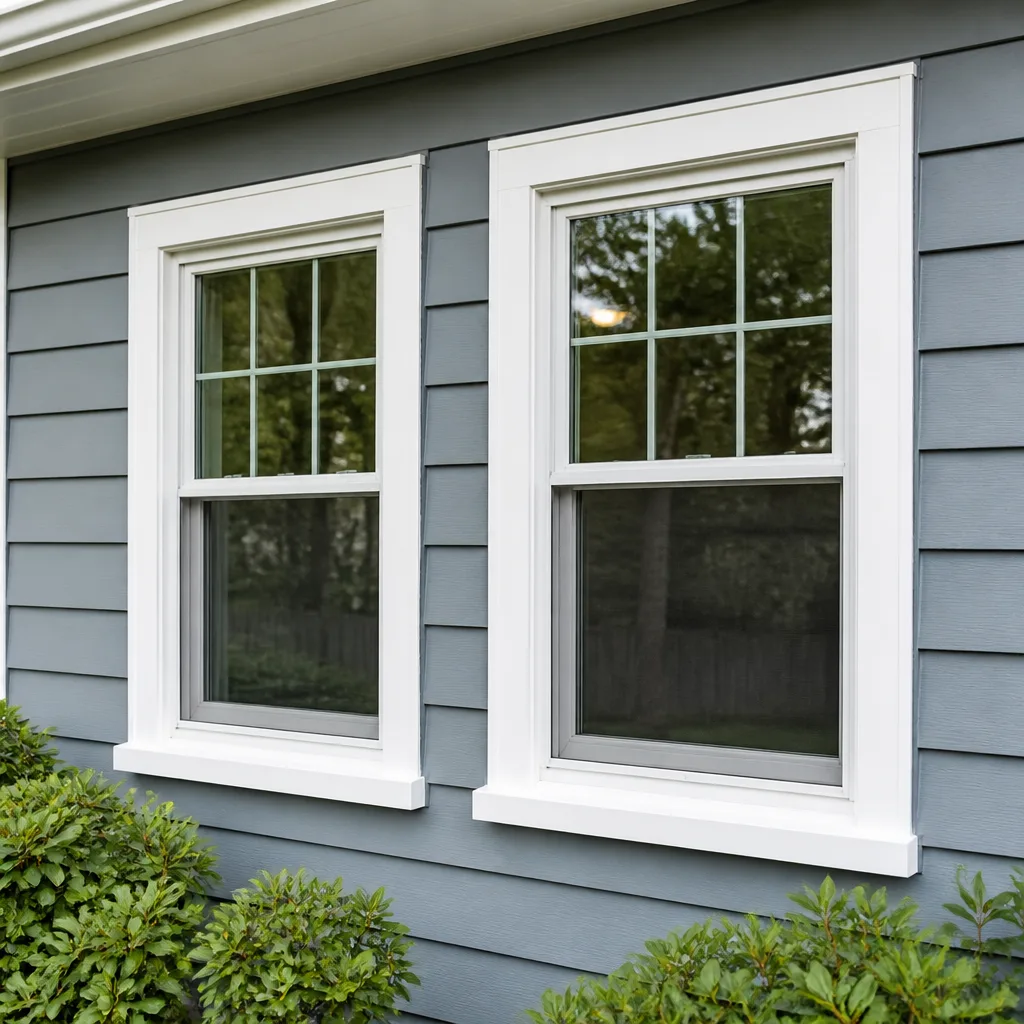 Double hung
 Horizontal roller
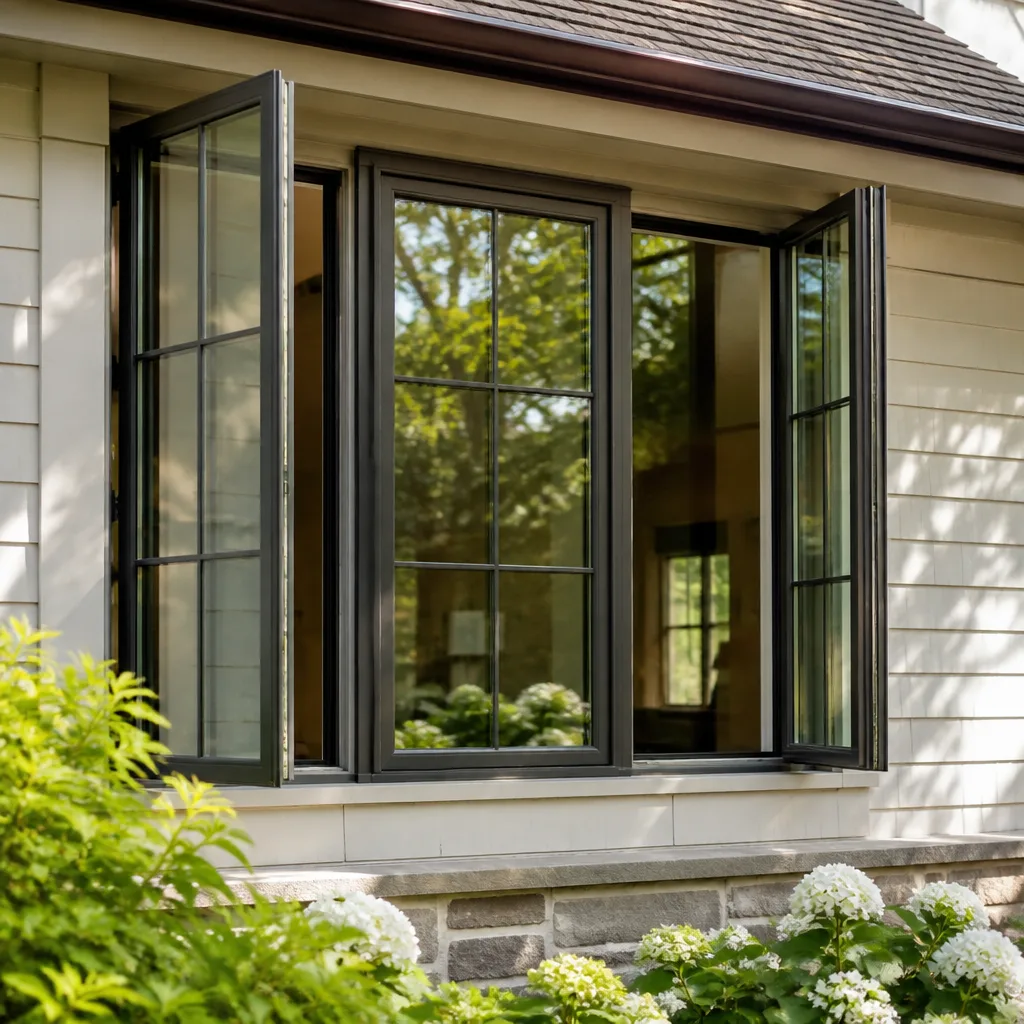 Casement
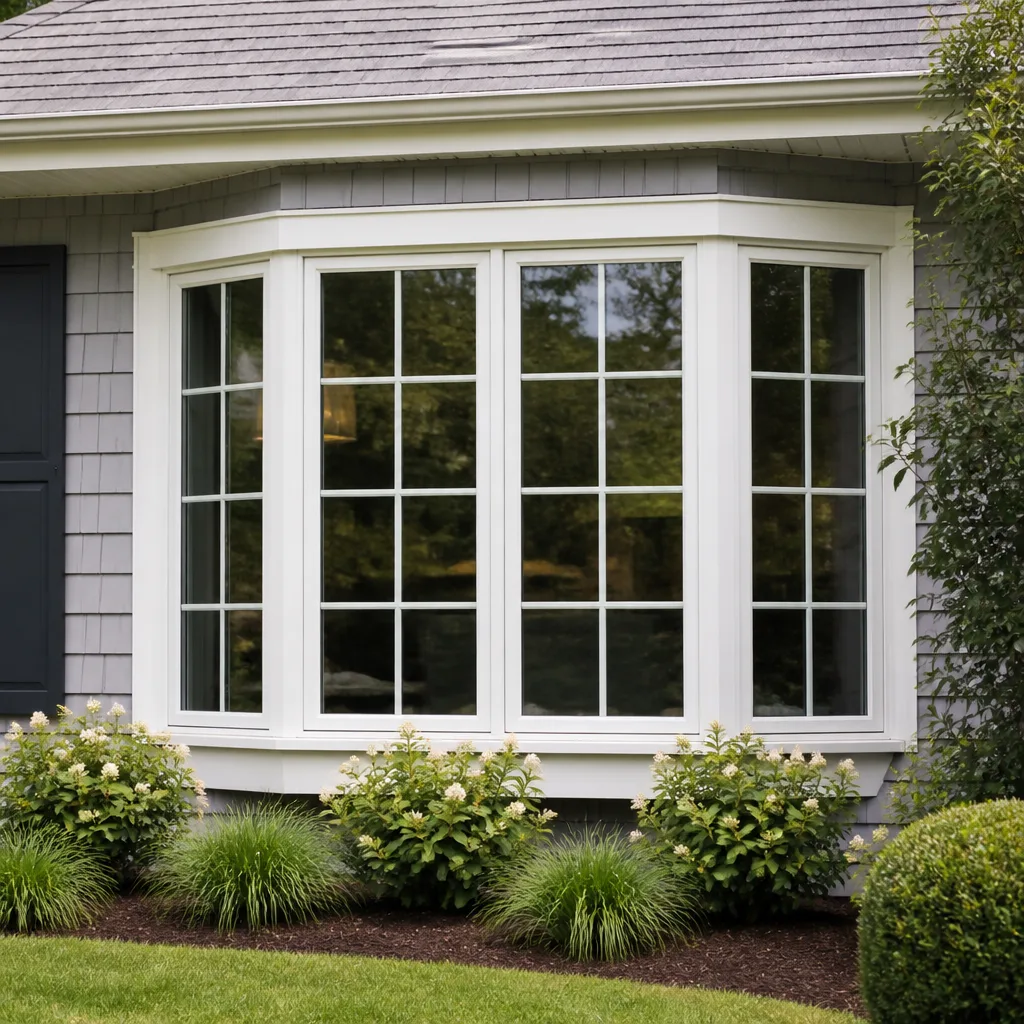 Bay & bow
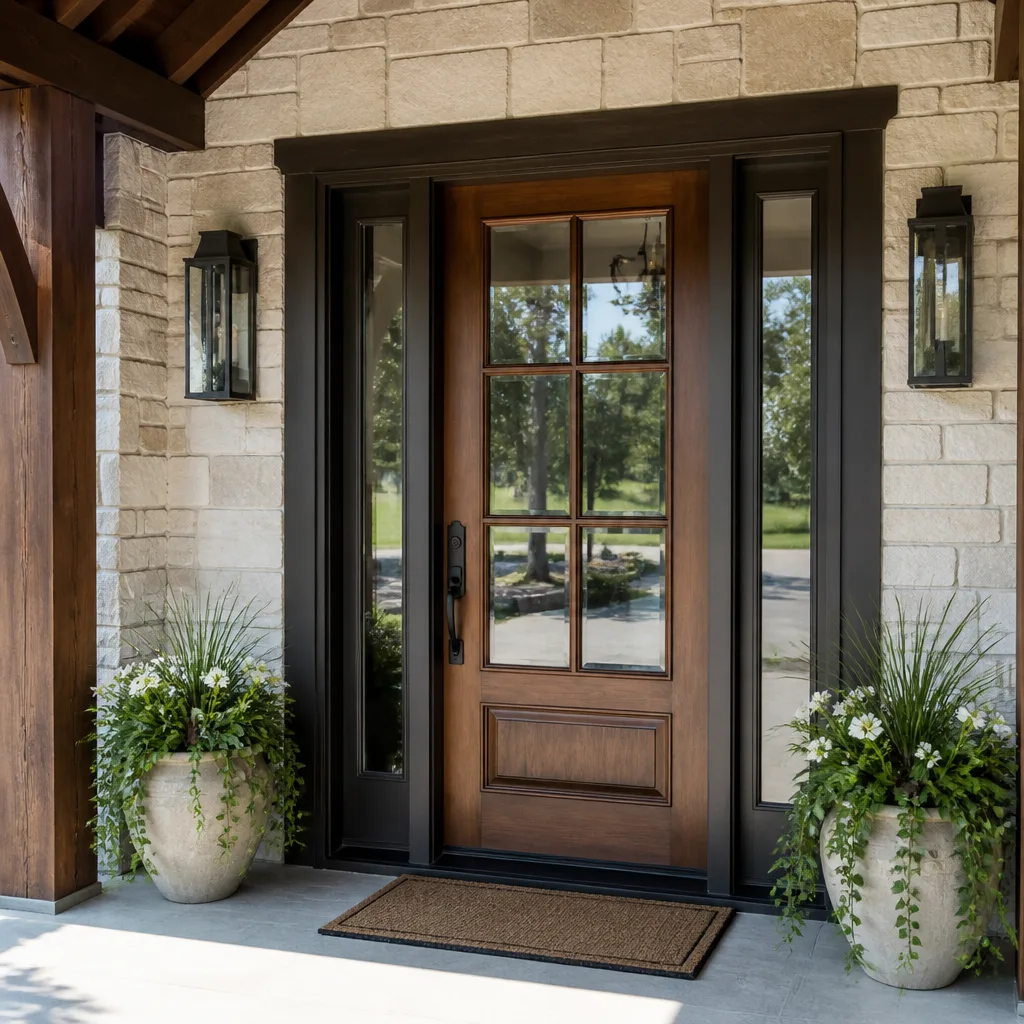 Entry doors
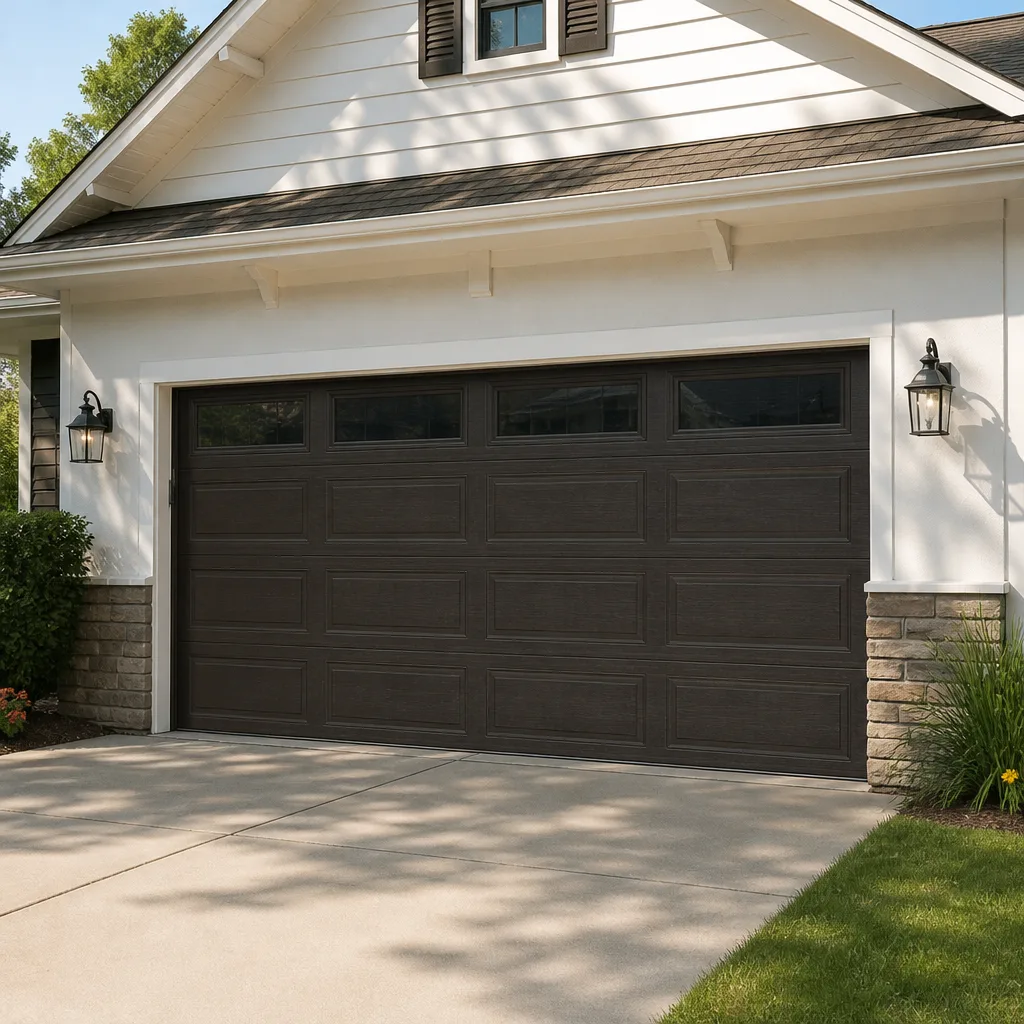 Impact garage doors
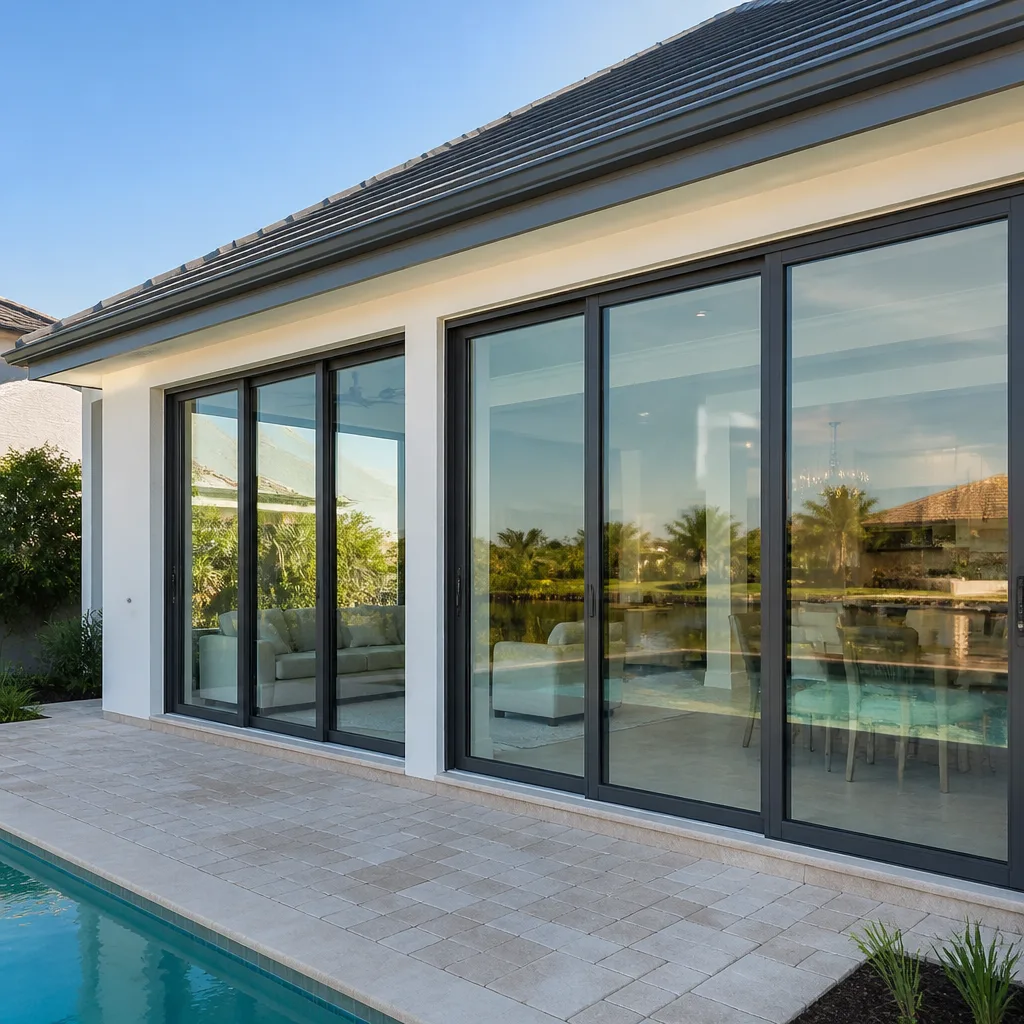 PGT
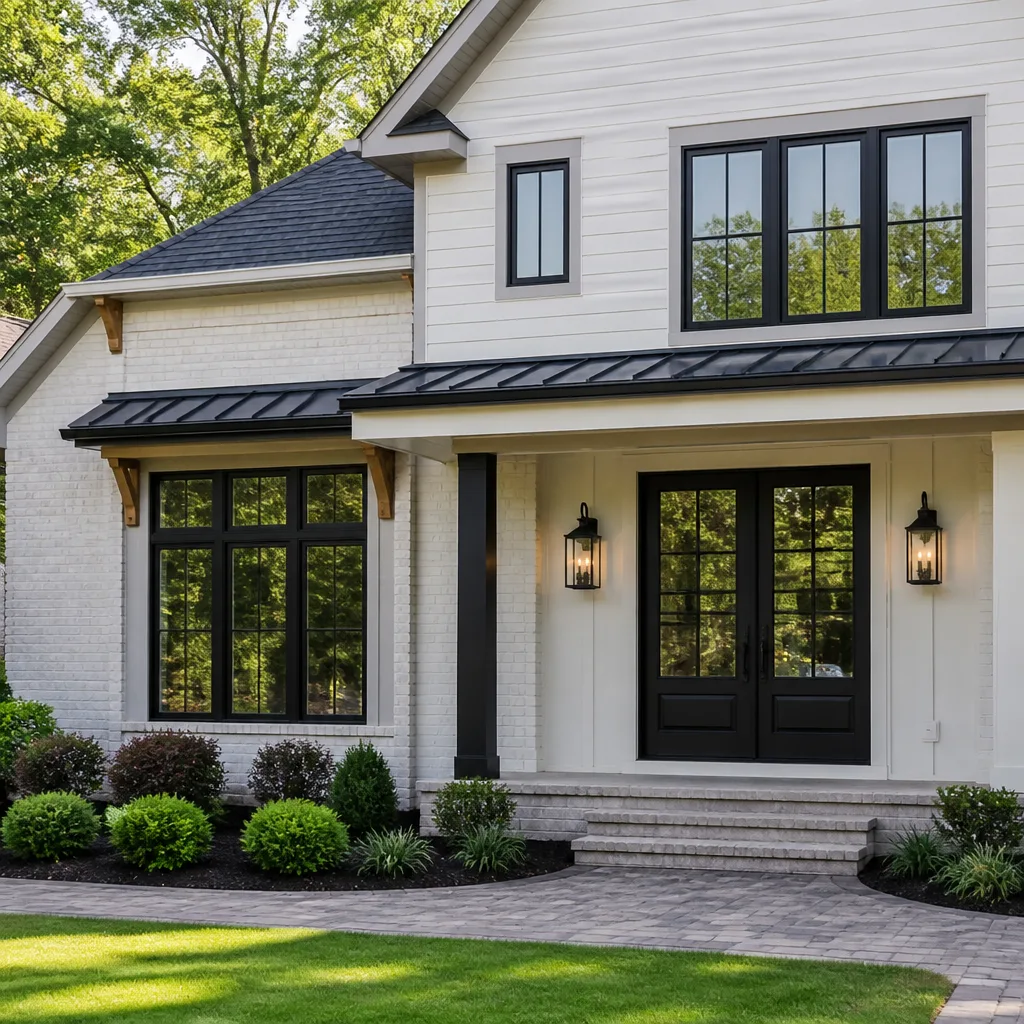 CGI
Free in-home measure and quote - PGT, CGI and CWS impact lines compared on your actual openings, style by style
Get your free estimateChoosing the Right Windows & Doors Brand: A Buyer’s Guide for Paradise
The most awarded window brand in the country can still be the wrong choice for your Paradise home if nobody nearby can honor its warranty. That’s the part most buying guides skip. National reputation tells you a manufacturer builds a good product somewhere; it tells you nothing about how that product performs against a Nevada summer, or who shows up when the sealed glass unit fogs up in year six. Desert heat punishes windows harder than a mild climate ever will, and warranty response time matters more here than it does anywhere temperate. This guide teaches you how to judge brands against Paradise realities instead of review-site scores.
Quick Answer
The right windows and doors brand in Paradise is the one engineered for extreme heat and backed by a warranty service network you can actually reach. That means checking solar heat gain ratings, frame materials built for big temperature swings, and whether a factory-trained dealer is close enough to honor a claim. National name recognition matters far less than product engineering and warranty geography.
Styles & brands we work with
- Single hung
- Double hung
- Horizontal roller
- Casement
- Bay & bow
- Sliding glass doors
- Entry doors
- Impact garage doors
- PGT
- CGI
Table of Contents
- Why brand choice matters more in Paradise than in temperate climates
- How to evaluate a brand’s Southwest-specific engineering
- Warranty geography: what “limited lifetime” really covers
- Authorized dealer vs. factory-trained installer
- The brand tier framework: entry, mid-tier, and premium
- Matching brand to application, not the other way around
- A step-by-step way to verify a brand before you buy
- Questions to ask before you sign
Why Brand Choice Matters More in Paradise Than in Temperate Climates
A window that thrives in a mild coastal city can struggle in Paradise. The reason is heat, and specifically what heat does to the insulated glass unit at the center of every modern window. An IGU is a sealed sandwich of glass, spacer, and gas, and the seal is the weakest link. When outside temperatures regularly climb past 100 degrees while the inside of your home sits at 75, that sandwich expands and contracts on a cycle no temperate climate produces. The seal fatigues. Moisture finds a way in. The glass fogs from the inside and there’s no cleaning it out.
Doors face their own version of the test. An entry door on a west-facing wall in Paradise takes direct afternoon sun for hours, and the material has to hold its shape through it. Vinyl can soften and bow. Wood needs real protection. Steel expands and needs a finish that moves with it. A brand that builds excellent doors for a Seattle entry may never have engineered for this.
This is the core reason to think locally about brand selection. In Paradise, your window and door investment is measured in how the product handles:
- Multi-month stretches of triple-digit heat with little relief overnight
- Large day-to-night temperature swings that work frame and seal materials
- Intense direct sun on west and south exposures for most of the day
- Low humidity that dries out wood components and stresses some sealants
None of that shows up in a review score. It shows up in the engineering choices a manufacturer makes, and in whether that manufacturer sells into this market seriously enough to support what it sells.
How to Evaluate a Brand’s Southwest-Specific Engineering
You don’t need an engineering degree to judge this, but you do need to ask the right questions and read the right numbers. Three things separate a brand built for the Southwest from one that merely sells here.
Solar heat gain coefficient
SHGC measures how much of the sun’s heat passes through a window. A lower number means less heat load on your home, which matters enormously when your air conditioner is already working through an August afternoon in Paradise. Ask for the SHGC on the specific glass package being quoted, not a generic figure for the product line. A brand with strong solar-control options tailored to hot climates is doing the engineering. A brand that offers one glass package regardless of region is not.
Frame expansion and material behavior
Different frame materials move differently under heat. Vinyl, aluminum, fiberglass, and wood each have their own expansion behavior, and the manufacturer’s design has to account for it through the joint details, the reinforcement, and the weatherstripping. A brand that engineers for the Southwest tests for it. The question to ask is direct: does this product line get sold into hot, high-sun markets in volume, and does the manufacturer stand behind it there?
Factory testing environment
Brands test their products under specific conditions, and those conditions reveal who they’re building for. Ask whether the manufacturer’s performance data reflects hot-climate exposure or only moderate climates. It’s a fair question, and a serious brand will have a clear answer.
This is where we do the homework for you. We carry a range of manufacturers including ES Windows and ECO Window Systems because their lines speak to hot-climate performance and energy efficiency, and we match the glass package to the exposure. When we recommend a product, we’re matching it to your home’s sun, not selling what’s easiest to source.
Warranty Geography: What “Limited Lifetime” Really Covers
A limited lifetime warranty is only as good as the service network that honors it. This is the single most overlooked factor in brand selection, and it’s a real risk in a market where not every national manufacturer has deep local support.
Here’s how to read the fine print before you buy:
- Find the coverage terms. What’s actually covered? Glass breakage, seal failure, frame defects, and hardware each carry their own terms. “Lifetime” usually means the original purchaser’s lifetime, and it usually excludes labor.
- Identify who performs the claim. Some manufacturers handle warranty work through authorized dealers. Others require you to work through the contractor who installed it. Know which model applies before you sign.
- Check for a local service presence. Ask the manufacturer or dealer where the nearest factory-trained service point is. If the honest answer is far away, a warranty claim becomes a slow, frustrating process in July heat.
- Get the claim path in writing. Ask your installer to document exactly how a warranty claim would be filed, who inspects the failure, and what the expected timeline is. A contractor who can answer that confidently has done this before.
In our experience serving Paradise, the brands that invest in dealer and service infrastructure in the Southwest make warranty claims far less painful. When we install Mr-Glass or any of our eight product lines, we know how the claim process runs because we’ve built the relationship with the manufacturer. That’s the difference between a warranty document and a warranty you can actually use.
Authorized Dealer vs. Factory-Trained Installer: Know the Difference
These two terms get used interchangeably, and they shouldn’t be. An authorized dealer is a business the manufacturer has approved to sell its products. A factory-trained or certified installer is one the manufacturer has trained and, often, certified for warranty work. You want both, and here’s why the distinction matters.
- Authorized dealer means the manufacturer stands behind the sale and has vetted the seller’s business practices. It’s a sales relationship.
- Factory-trained installer means the crew demonstrating installation has been trained to the manufacturer’s specs. Installation errors are one of the most common causes of warranty denial, because a window installed wrong isn’t a product failure.
- Certified for warranty work means the contractor is approved to perform repairs and replacements under warranty. Without this, a covered claim can still get tied up.
Ask a contractor directly which brands they’re factory-trained on, and ask to see the documentation. A serious installer will tell you exactly which lines they’re certified for and which they aren’t. When choosing Window Replacement Paradise, you’re working with a windows-and-doors specialist whose installers are trained specifically on the brands the company carries, so the product and the install match. Windows and doors are all we do, which means every workflow is built around openings, not split across unrelated trades.
The Brand Tier Framework: What Separates Entry, Mid-Tier, and Premium
Every brand line sorts into roughly three tiers, and the differences go well beyond price. Understanding what changes as you move up the tiers helps you pay for the improvements that actually matter in Paradise.
Entry-level lines
Entry lines use standard glass packages, simplified frame profiles, and basic hardware. They’re honest products that will serve a rental or a lower-exposure opening well. In a hot climate, though, entry lines often come with fewer solar-control glass options and shorter warranty terms on the glass seal. That’s the trade-off: lower cost up front, less margin for a brutal climate.
Mid-tier lines
This is where most Paradise homeowners land. Mid-tier products bring better glass technology, tighter tolerances on frame joints and weatherstripping, and longer warranty terms. Materials improve, glass sourcing gets more consistent, and hardware is more robust. You’re paying for durability and performance rather than decoration.
Premium lines
Premium products buy you the best glass, the tightest tolerances, and the strongest warranty coverage. Frame materials may be thicker or more carefully engineered. Hardware is smoother. At this tier you’re also often paying for aesthetics that can matter on a visible front elevation.
Our lineup covers all three tiers so you can match the tier to the opening. We won’t push a premium product on a window nobody sees, and we won’t put an entry line on the west-facing wall that takes the most heat. That’s the practical application of a multi-brand roster.
Matching Brand to Application, Not the Other Way Around
Here’s a principle that saves money and headaches: the right brand for a west-facing casement wall is not necessarily the right brand for an entry door system. Brand selection is a matching exercise, and the application comes first.
Think of your home as a set of different openings, each with different demands:
- West and south exposure windows need the strongest solar-control glass and the most heat-resistant frame engineering. These are the openings that earn a mid or premium product.
- Shaded and north-facing windows can often use a more economical line without sacrificing anything meaningful.
- Impact-rated applications need products engineered to a different standard. We carry PGT and CGI for homes that need storm or security performance, and not every brand builds to that spec.
- Entry doors are their own product category entirely. Therma-Tru is one of North America’s most recognized door brands, and door systems need different engineering than windows.
- Curb-appeal replacements may favor aesthetic lines where appearance matters more than maximum thermal performance.
This is why we carry eight brands instead of one. When we walk your home in Paradise and evaluate the exposures, we can put the right product on each opening. From impact-rated to energy-efficient, your options are real. Match the product to your home, not the other way around.
A Step-by-Step Way to Verify a Brand Before You Buy
Use this process with any brand, from any contractor. It works whether you’re talking to us or someone else.
- Ask for the specific glass package and its Solar Heat Gain Coefficient. Get the number for the exact product being quoted, not a brochure average.
- Confirm the frame material and how it’s engineered for heat. Ask whether the product line is sold into hot-climate markets in volume.
- Request the written warranty in full. Read the coverage terms, the labor exclusions, and who performs claims.
- Verify the contractor’s training. Ask which brands they’re factory-trained on and certified for warranty work on. Ask to see it.
- Check the service presence. Ask where the nearest factory-trained service point is for the brand in question.
- Get the installation scope in writing. Flashing, sealing, and trim details matter as much as the product in this climate.
Questions to Ask Before You Sign
A good contractor welcomes these. If a quote can’t answer them, that’s information too.
- Which brand line are you recommending for each opening, and why that one?
- What’s the Solar Heat Gain Coefficient on this glass package?
- Are you factory-trained and certified for warranty work on this brand?
- How does a warranty claim get filed, and who does the inspection?
- What’s included in installation beyond setting the unit in the opening?
- Does the written estimate include permits and inspection, if required?
For a full picture of the project scope, see our window replacement and window installation pages, or start with what a Paradise project typically involves.
Common Mistakes to Avoid
- Choosing on national reputation alone. A brand with strong support in Atlanta may have thin service in the Southwest. Reputation without local warranty geography is a risk you don’t need in this climate.
- Assuming “limited lifetime warranty” means everything is covered. Labor is usually excluded, and the coverage terms on glass seal failure are often the shortest in the document. Read it before you buy.
- Treating the manufacturer as the installer. The best window installed poorly is worse than a good window installed correctly. Factory training and installation craft matter as much as the product.
- Skipping the glass package. Two windows in the same frame line with different glass can perform very differently in Paradise heat. Always ask for the specific glass and its SHGC number.
- Matching labels instead of applications. Putting the same brand on every opening in your home is convenient and often wrong. West-facing heat exposure and a shaded side entry don’t need the same product.
- Overlooking entry doors as a separate category. Door systems have different engineering than windows. Using a window brand for your front door misses critical differences in construction and hardware.
- Not documenting the warranty path. Ask in writing how a claim is filed and who handles it. A warranty you can’t access isn’t worth much when a seal fails.
See the difference
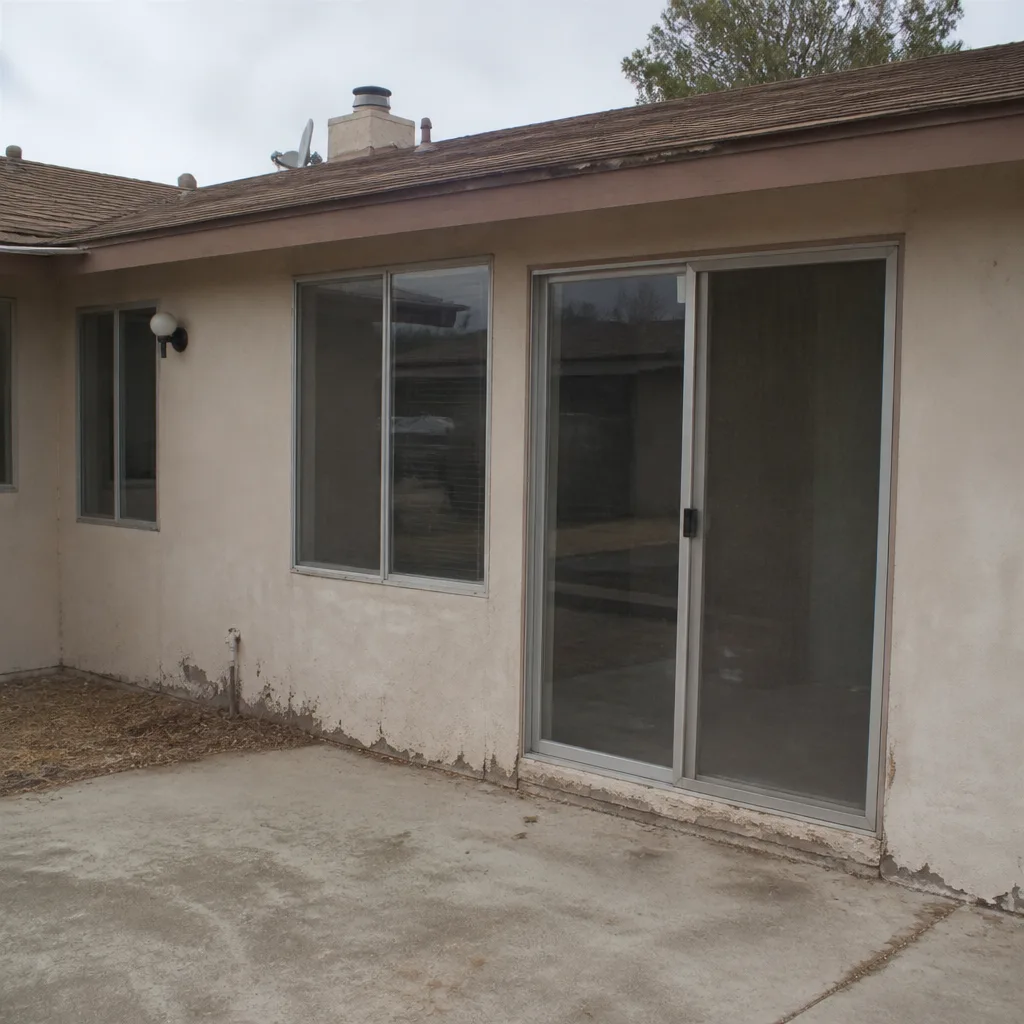 Before
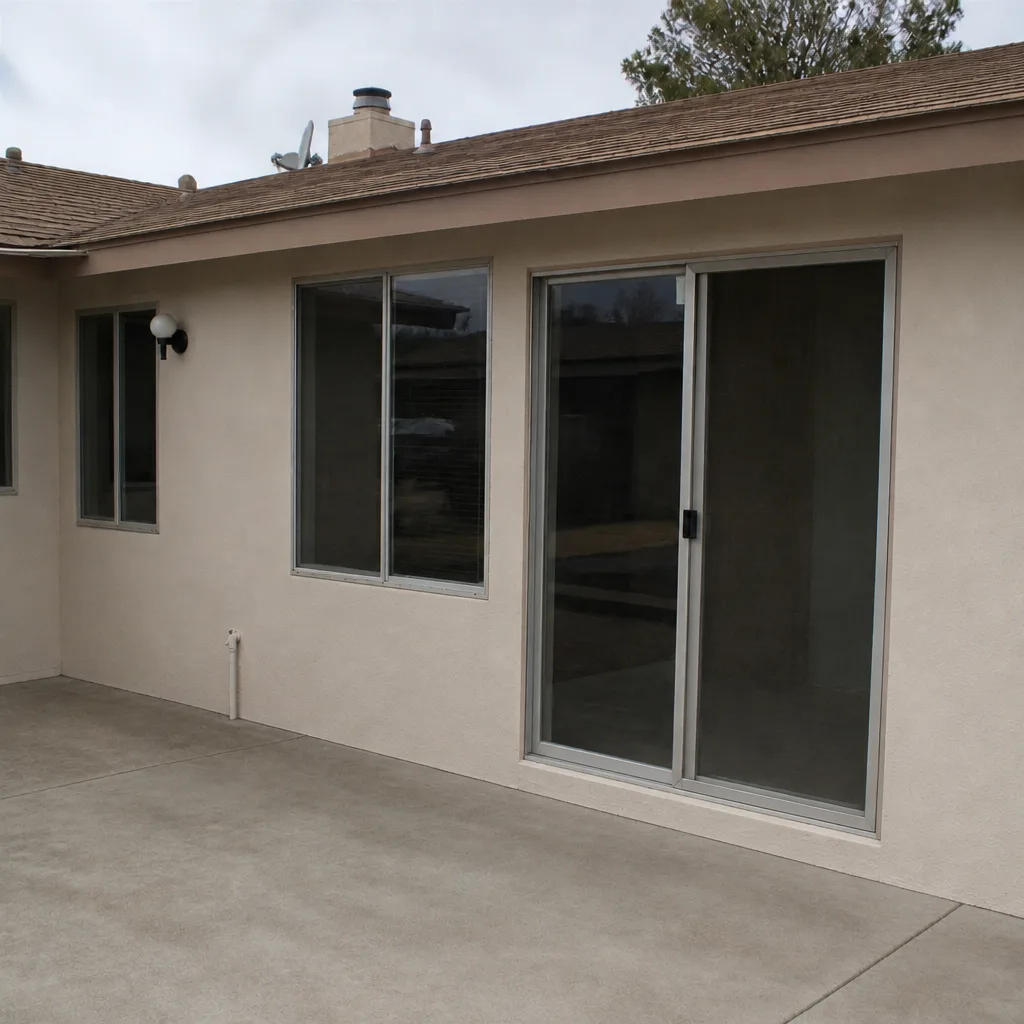 After
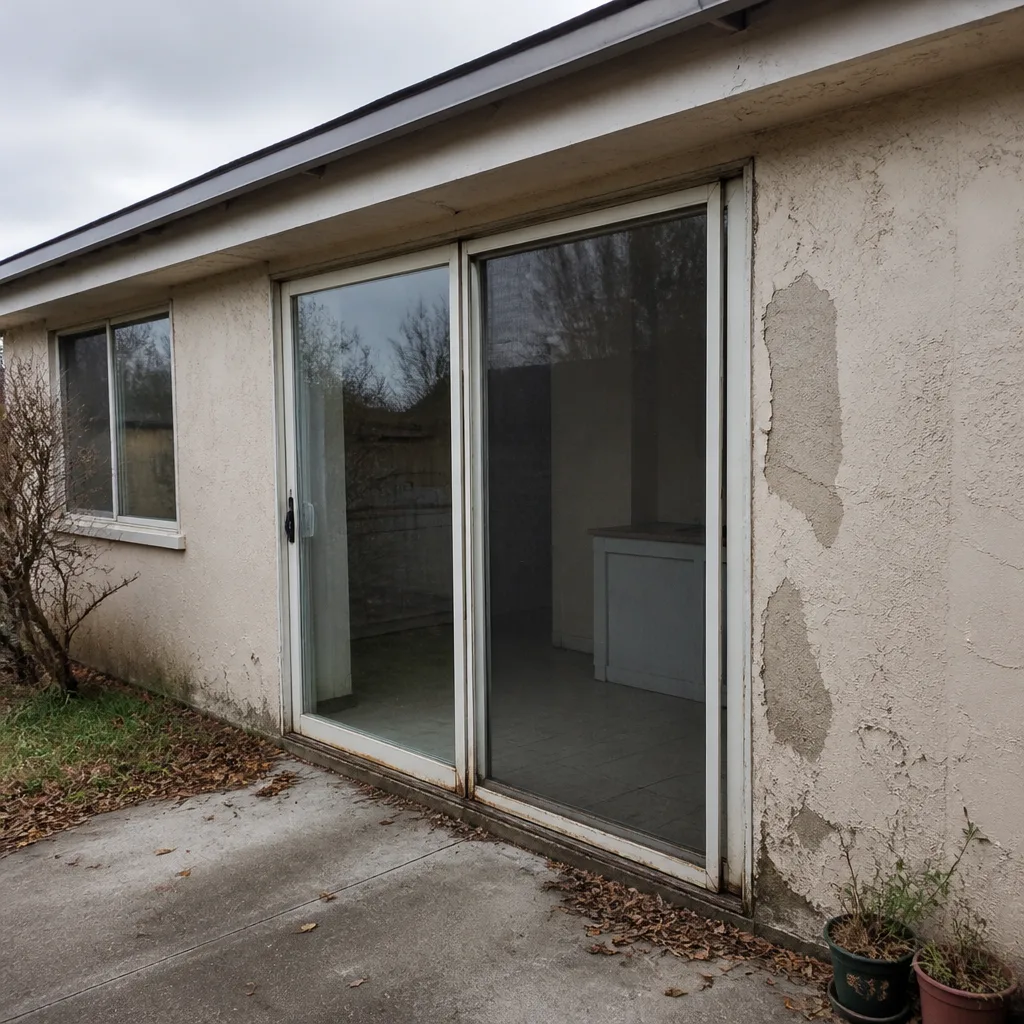 Before
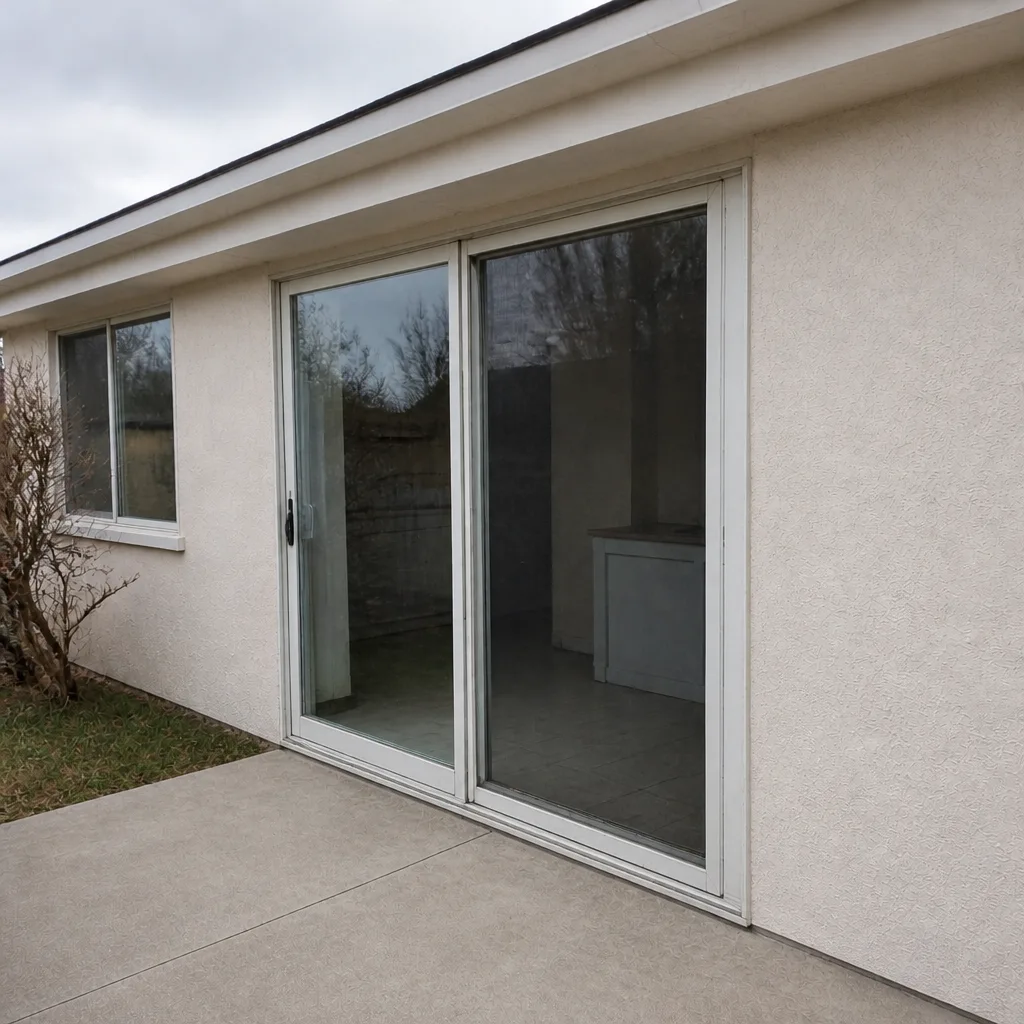 After
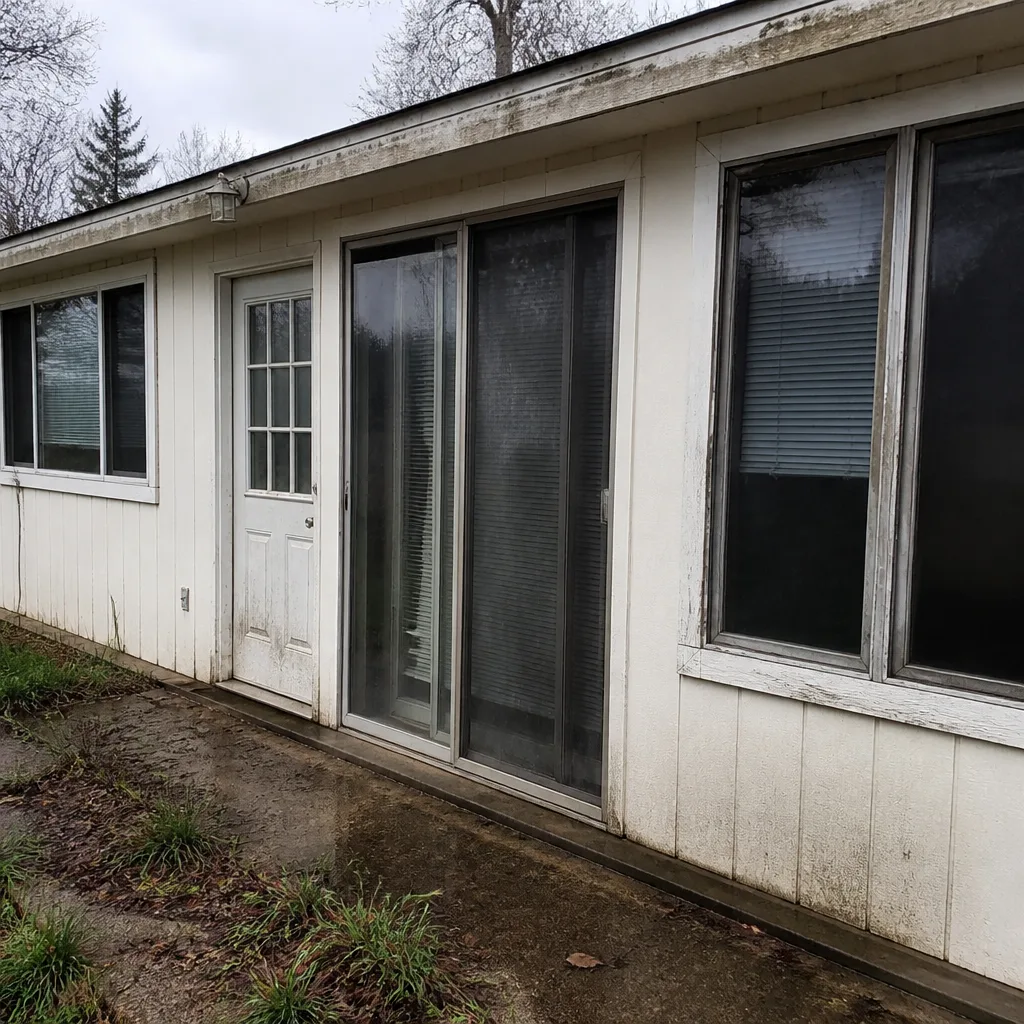 Before
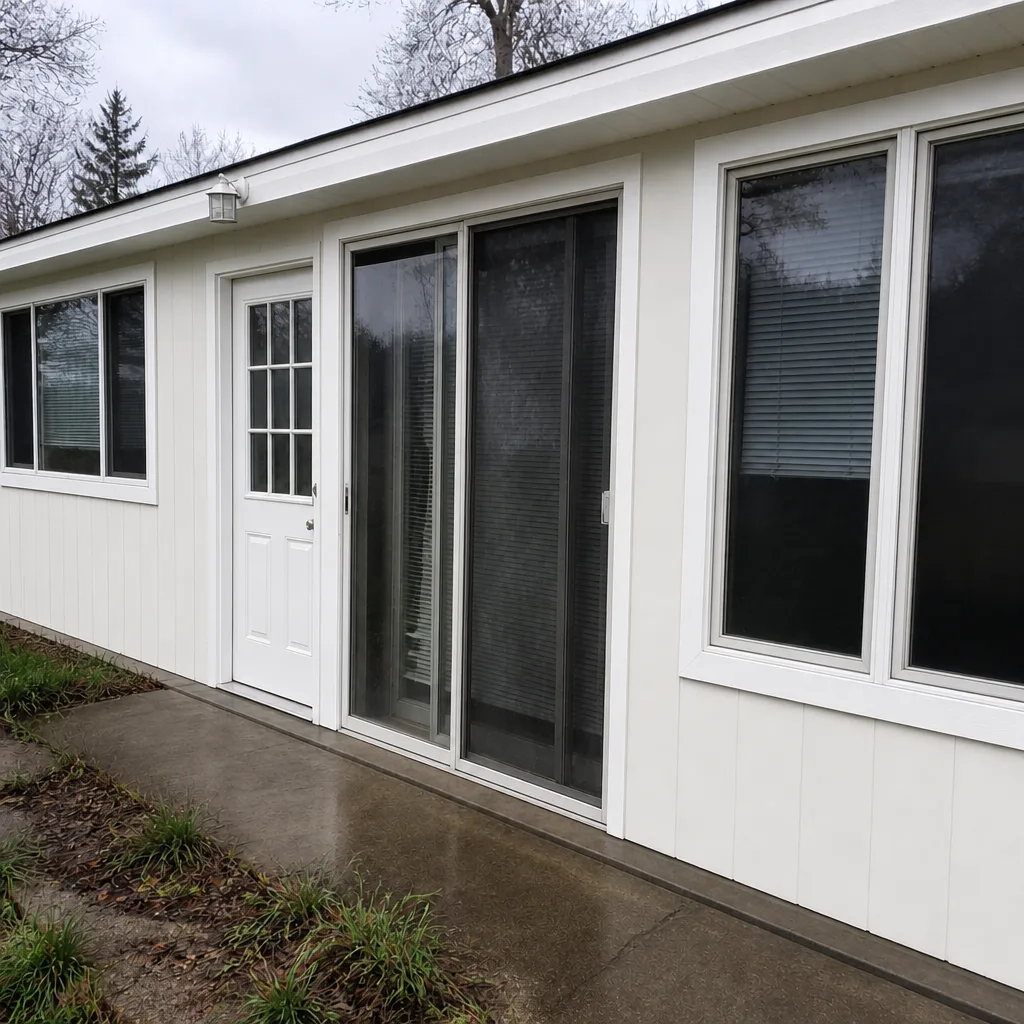 After
When to Call a Professional
Some brand evaluation is research you can do yourself. Some of it needs a trained eye on the actual product and the actual opening. Call a professional when you’re comparing brands for a project and want each opening evaluated against its exposure, when you’ve been quoted a product line and don’t know what it’s really worth, when a fogged or failed sealed unit is a warranty question, when you’re replacing windows and doors together on the same project and want one relationship across both, or when an entry door needs the right brand and installation craft in a hot climate. A windows-and-doors specialist can walk you through real brand comparisons, match product to opening, and handle the whole scope under one contractor relationship.
Window Replacement Paradise offers free estimates in Paradise. Call (855) 763-9014. We answer 24/7. Fast dispatch from 7am to 7pm, Sunday through Friday. Our estimate is written line by line, and the price is set per job by that estimate, so there are no change orders once the work starts.
Frequently Asked Questions
There’s no single best brand for every Paradise home, because the best brand depends on your openings and your exposure. A west-facing wall that takes hours of direct sun needs a brand with strong solar-control glass and heat-engineered frames, while a shaded north window may use a more economical line without giving up anything meaningful. What matters most is that the manufacturer has product lines engineered for hot, high-sun climates and a warranty service network close enough to honor a claim. Call (855) 763-9014 for a free estimate and we’ll evaluate your home’s exposures line by line.
It can, but only if the warranty service network is reachable and you understand the exclusions. Limited lifetime warranties typically exclude labor, and the seal-failure coverage terms are usually the shortest in the document. Before you buy, ask which manufacturer handles the claim, who performs the inspection, and where the nearest factory-trained service point is. A contractor who can answer that clearly is the one you want.
An authorized dealer is approved to sell a manufacturer’s products. A factory-trained installer has been trained to install to the manufacturer’s specifications and may be certified for warranty work. You want both. Installation errors are one of the most common reasons warranty claims get denied, since a window that fails because of bad flashing or sealing isn’t a product defect. Ask any contractor which brands they’re factory-trained on and show documentation.
Ask for the SHGC on the specific glass package being quoted for each brand, not a brochure average for the whole product line. A lower SHGC means less heat load on your home, which matters when your air conditioner is already working hard through a Paradise summer. Compare the numbers side by side for the openings that face the most sun, and ask which glass options each brand offers for hot-climate use.
You can, but you probably shouldn’t, because windows and doors are engineered differently and not every window brand builds a strong entry door. Door systems have their own construction, hardware, and material demands. We carry Therma-Tru for entry door solutions alongside our window brands, which lets us put the right product on the right opening and handle both in one project. That’s the practical value of a multi-brand lineup.
No. Our estimate is written line by line and the price is set per job by that estimate, so there are no change orders once the work begins. If something unexpected turns up, we’ll talk through it with you before any work continues and update the written scope. Call (855) 763-9014 for a free estimate. We answer 24/7, with fast dispatch from 7am to 7pm, Sunday through Friday.
The Bottom Line
Brand selection for windows and doors in Paradise comes down to two questions: is the product engineered for this climate, and is the warranty actually serviceable here? National reputation helps, but it doesn’t answer either one. Evaluate glass packages and SHGC numbers, understand frame materials and heat behavior, read the warranty terms in full, verify the contractor’s factory training, and confirm the nearest service point for the brand you’re considering. Then match each opening to the right tier rather than applying one brand across your whole home. Do that, and the brand you choose will hold up for years, not just for the month after install.
Written by the team at Window Replacement Paradise.