Last updated November 17, 2026
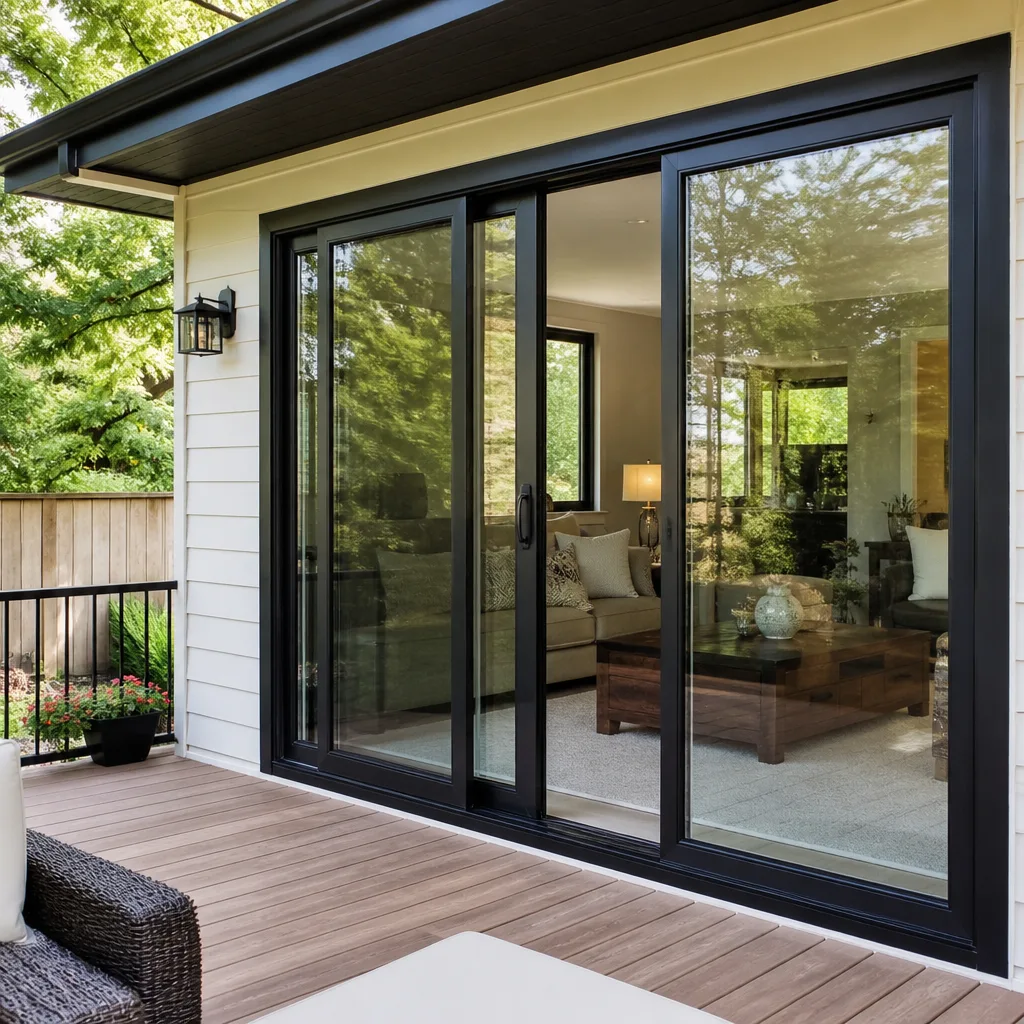 Sliding glass doors
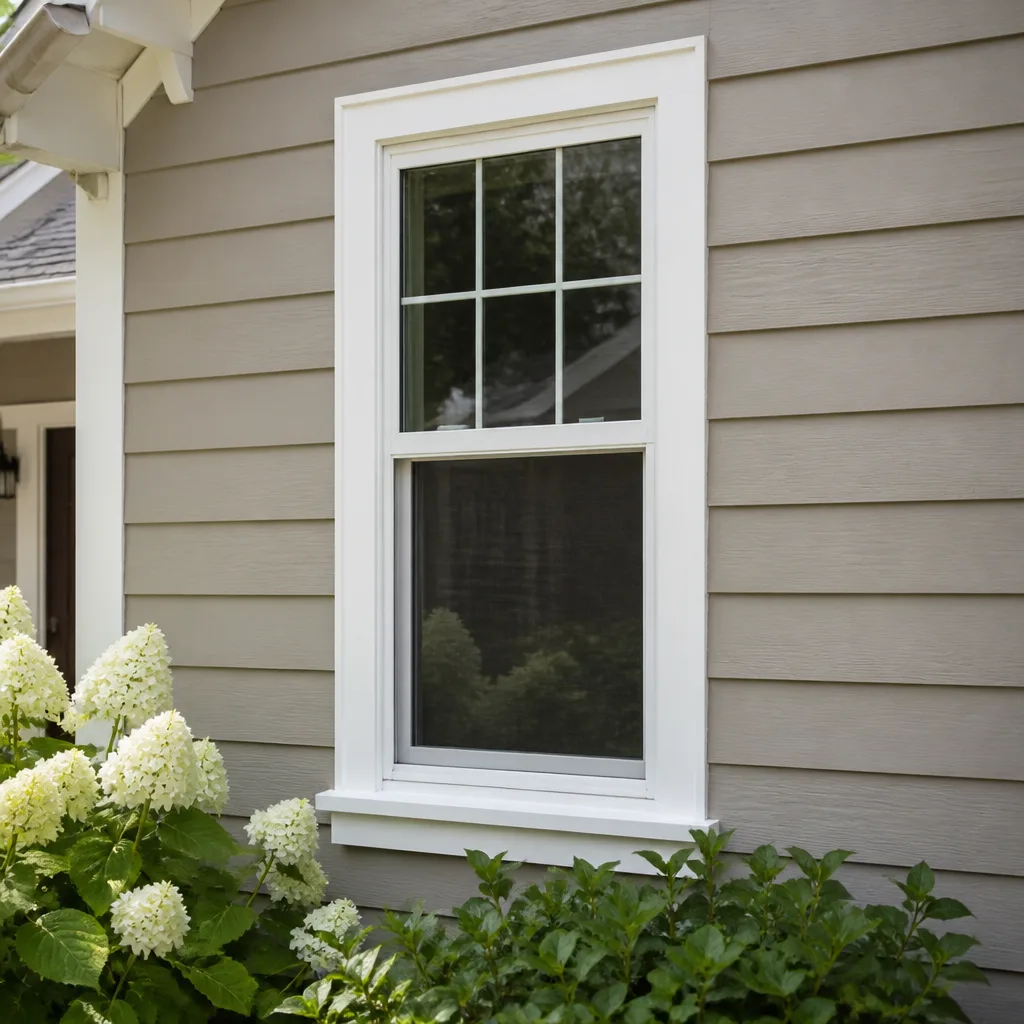 Single hung
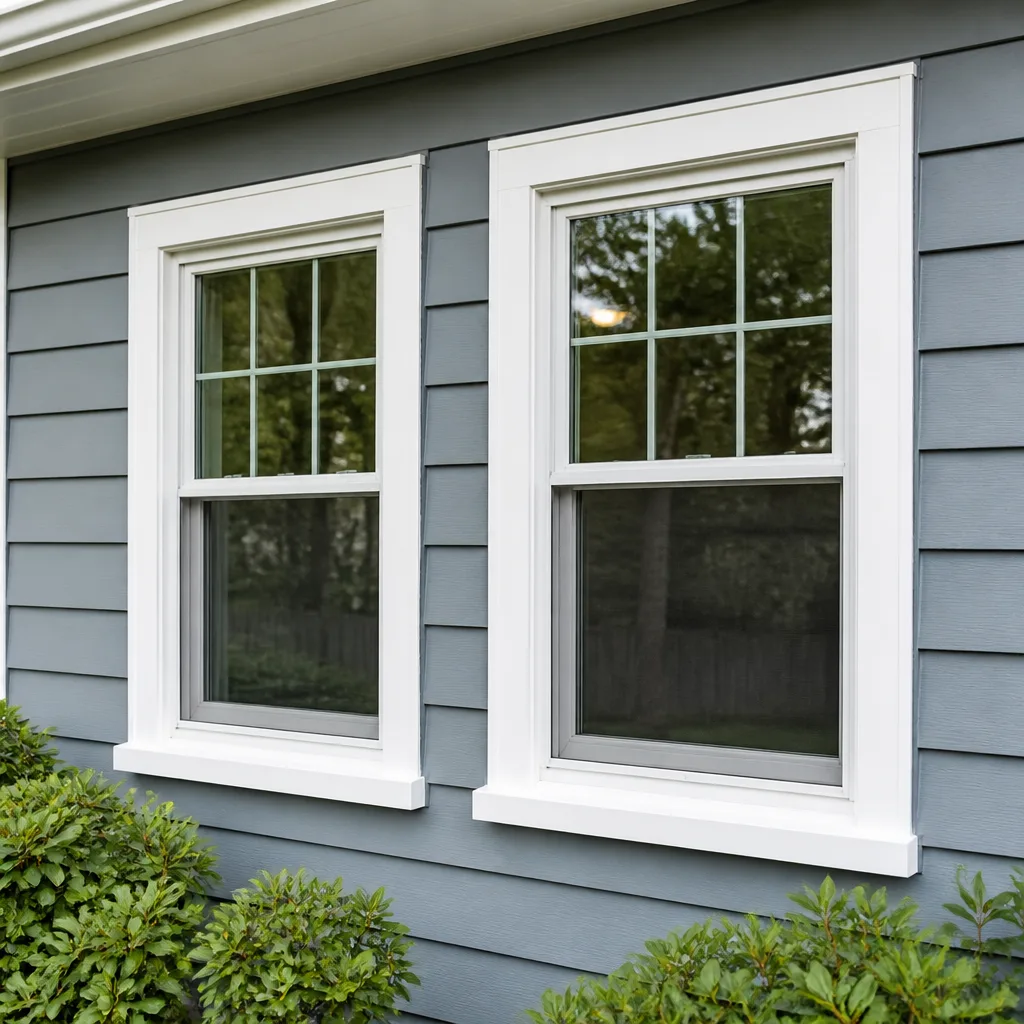 Double hung
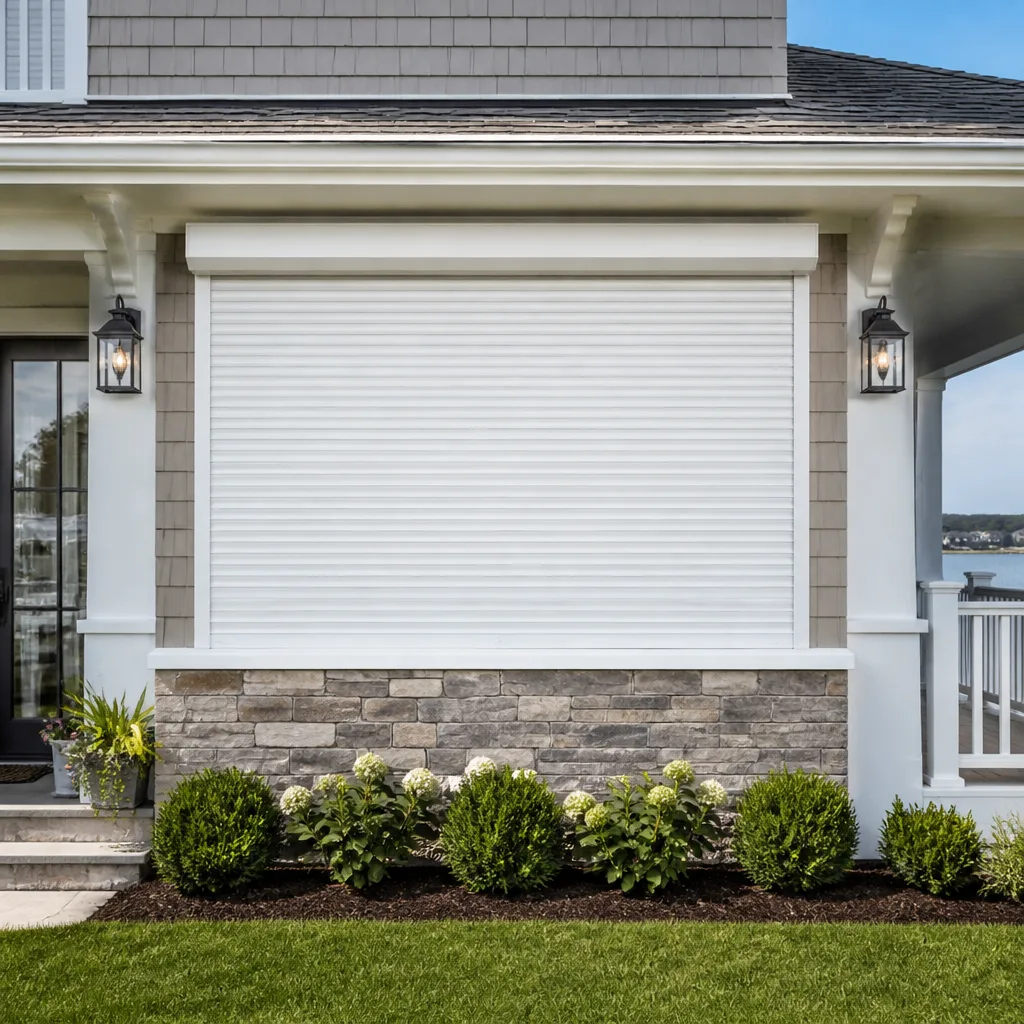 Horizontal roller
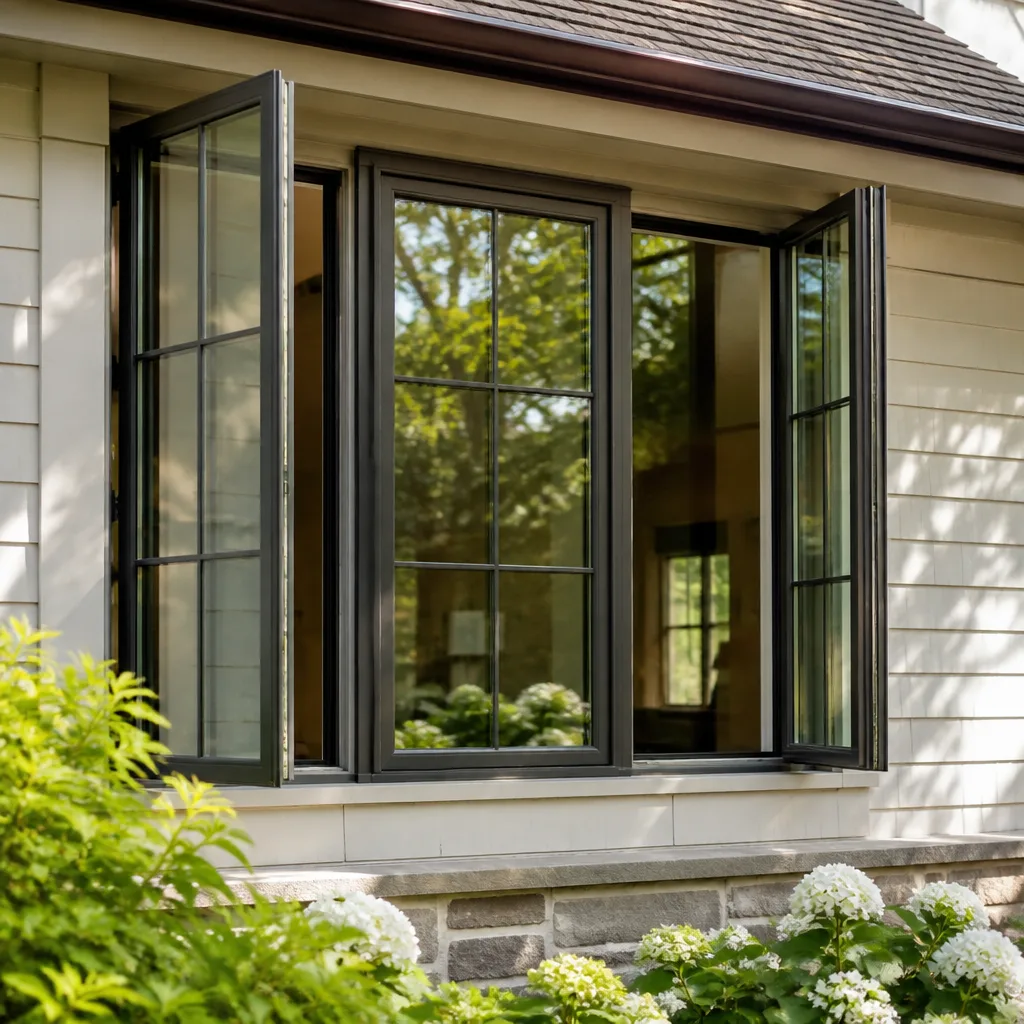 Casement
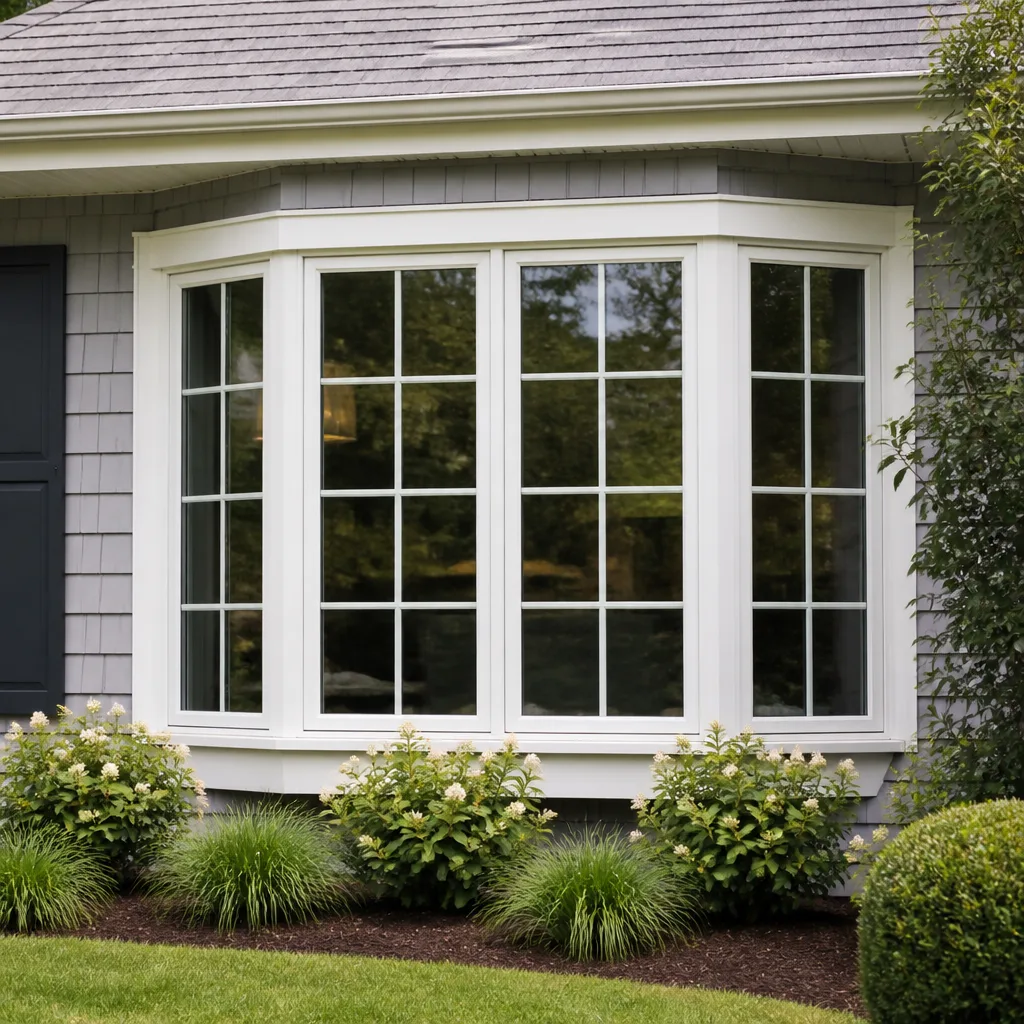 Bay & bow
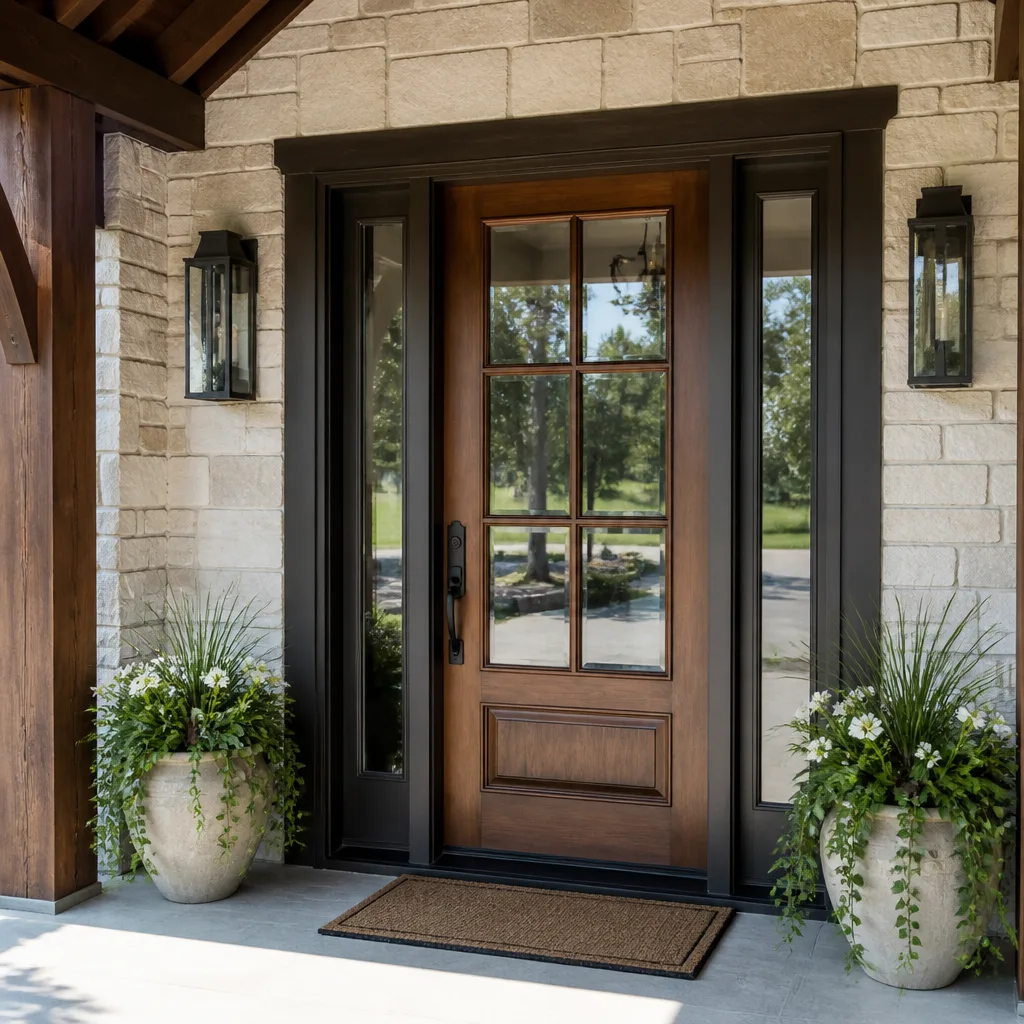 Entry doors
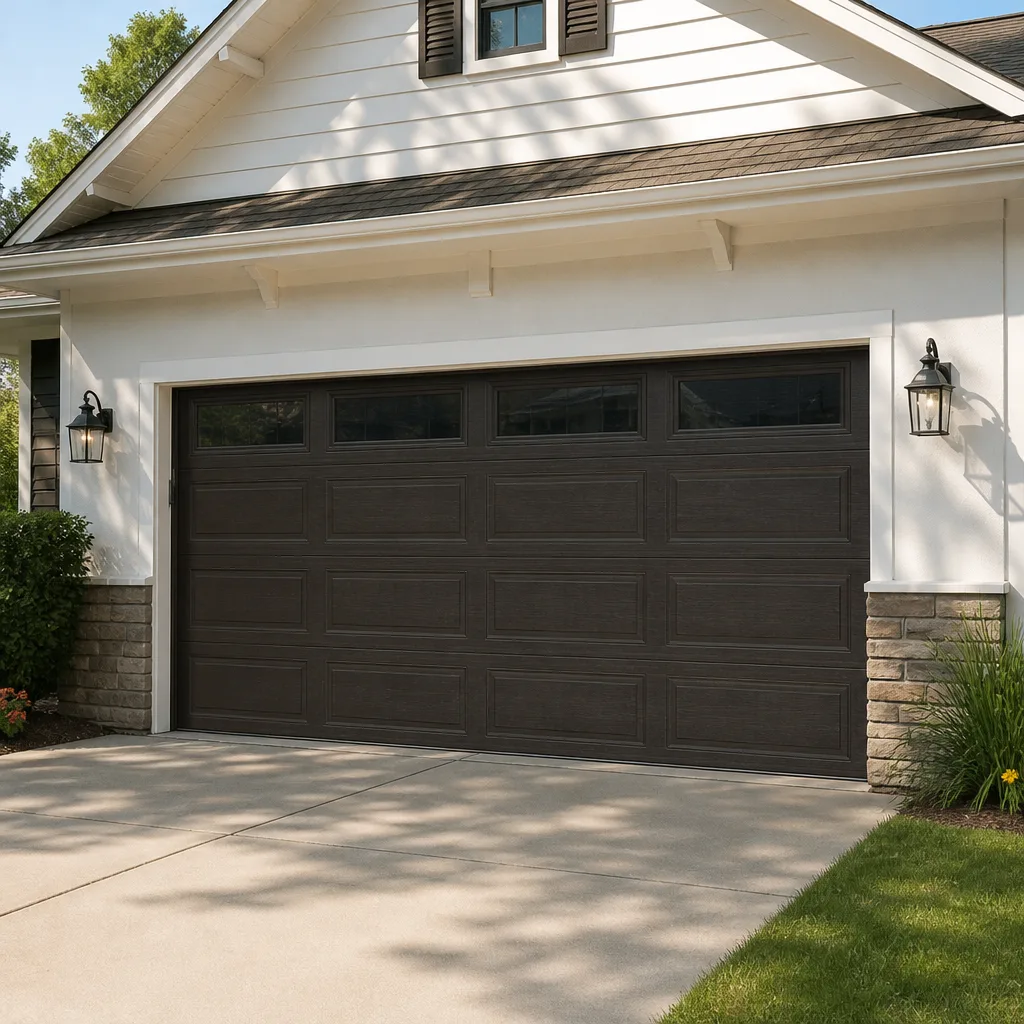 Impact garage doors
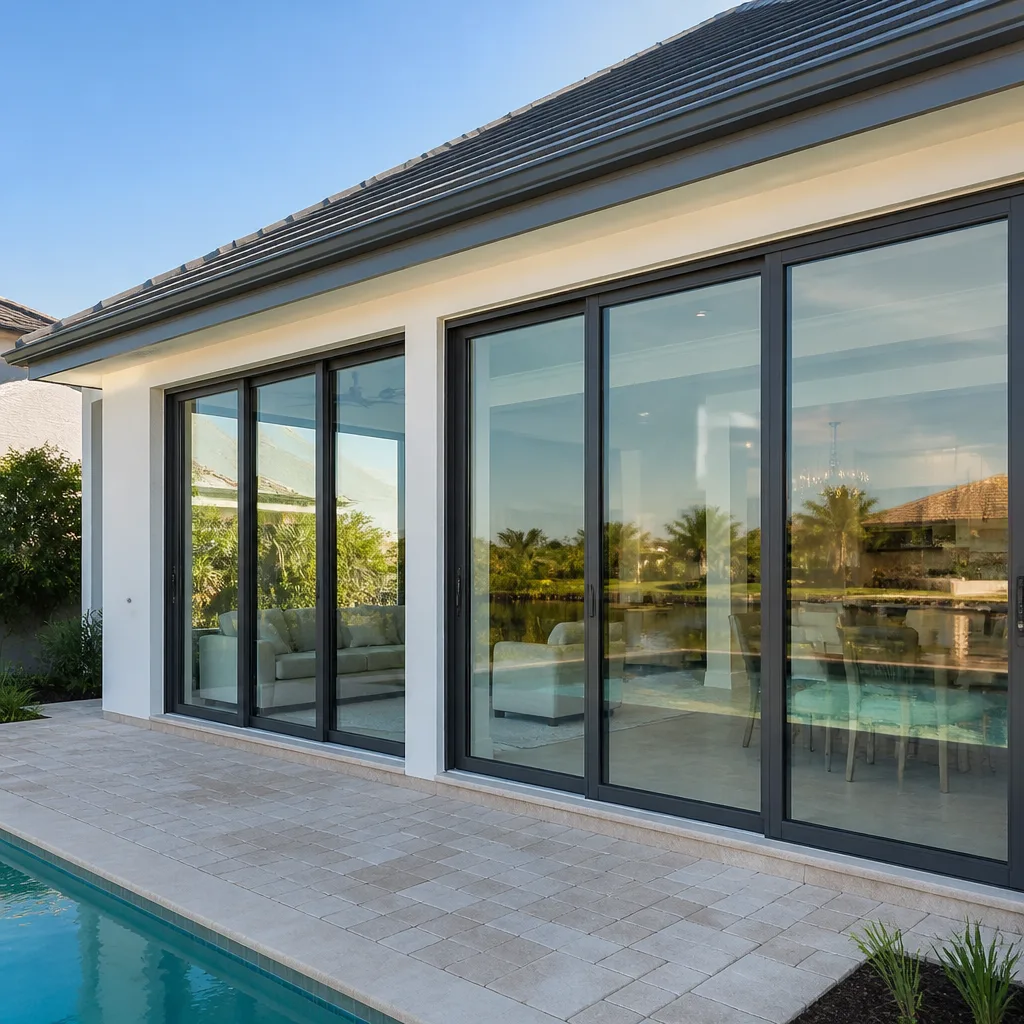 PGT
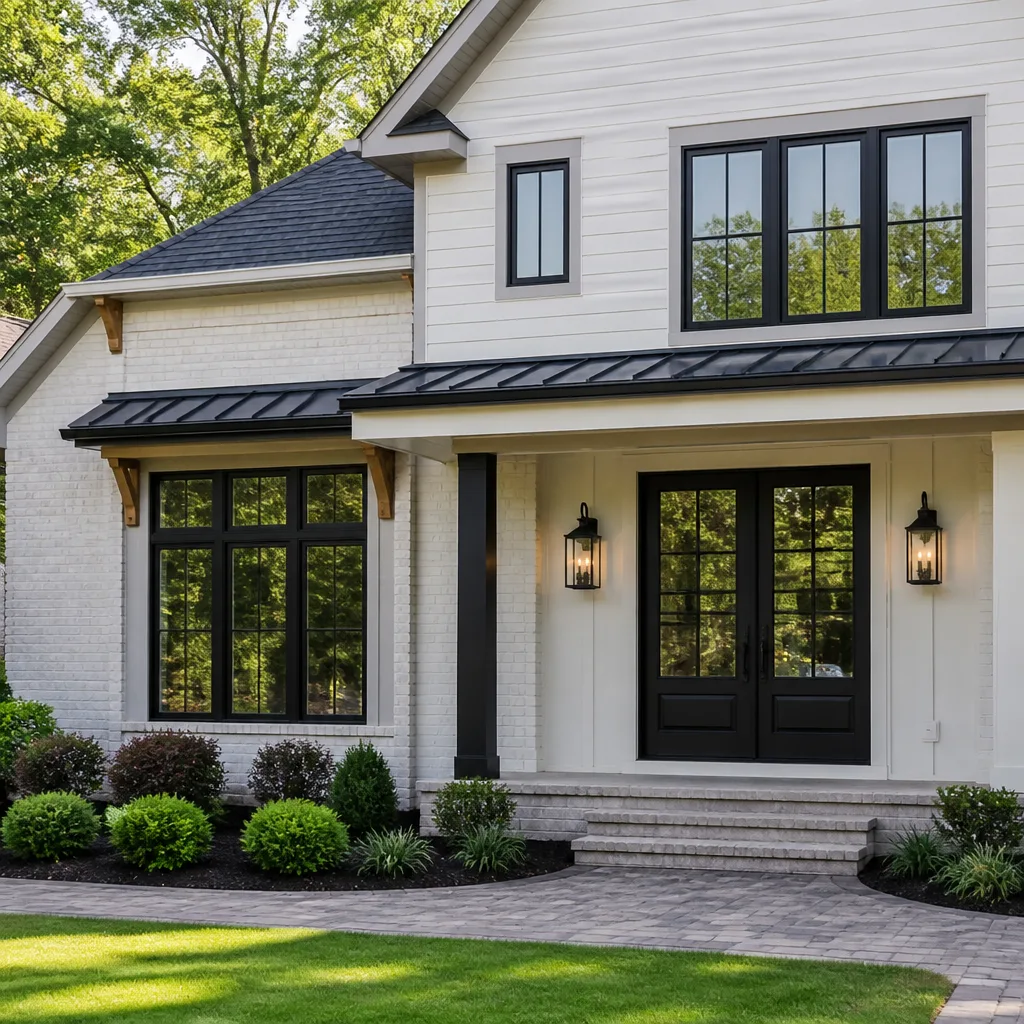 CGI
Free in-home measure and quote - PGT, CGI and CWS impact lines compared on your actual openings, style by style
Get your free estimateHow to Hire a Windows & Doors Contractor in Paradise: A Step-by-Step Guide
A Nevada contractor’s license doesn’t specify windows. A tile setter, a painter, and a window installation specialist can all carry the same Class B license, which means the credential alone tells you almost nothing about installation competency. That gap is where most hiring mistakes start. In this guide, we’ll walk you through the questions that actually separate a dedicated window and door installer from a general remodeler picking up window work to fill a slow month. You’ll learn what to verify, what to ask, and what should make you walk away. We’ll keep it specific to Paradise and the greater Las Vegas market throughout.
Quick Answer
To hire a windows and doors contractor in Paradise, verify their Nevada State Contractors Board license classification and standing, ask for proof of manufacturer factory training rather than just “preferred installer” badges, and confirm what share of their annual revenue comes from window and door work. Then check their quote for brand specificity, installation method callouts, and itemized pricing, and clarify in writing who holds the labor warranty. A contractor whose business depends entirely on getting openings right will answer all of it without hesitation.
Styles & brands we work with
- Single hung
- Double hung
- Horizontal roller
- Casement
- Bay & bow
- Sliding glass doors
- Entry doors
- Impact garage doors
- PGT
- CGI
Table of Contents
- What Nevada License Classifications Actually Tell You
- Manufacturer Certification: Beyond the Preferred Installer Badge
- Why Revenue Share Beats a Project Portfolio
- Reading a Quote: Substitution Language and Installation Methods
- Warranty Handoff: Who Owns the Labor Warranty
- Climate and Product Fit in Paradise
- Your Step-by-Step Interview Checklist
- What Local Knowledge Looks Like
What Nevada License Classifications Actually Tell You
Nevada licenses contractors by classification, and the classification system is built around trade categories, not product types. There’s no “window installer” license class. Before you sign anything, look up every bidder on the Nevada State Contractors Board’s public license lookup and confirm three things:
- The license is active and in good standing. The lookup will show you whether the license is current or has been suspended, revoked, or expired.
- The classification covers the work. A residential remodeling classification can legitimately cover window replacement. A specialty classification might not cover the full scope of a project that includes structural changes around a new door.
- The named qualifier matches the work. Nevada requires a qualifier to hold the license, and that person’s trade background may be in something other than openings. Ask who the qualifier is and what their trade history involves.
Here’s the gap. A license tells you the contractor is legally allowed to take your money and is bonded as required. It does not tell you whether their installers understand flashing details, sill pan drainage, or how to set a Therma-Tru entry door so the threshold seals correctly against a wind-driven rain. Those are craft skills, not licensing skills. A tile setter with a valid license is a licensed contractor, but that doesn’t make them a window installer.
In Paradise, that distinction matters more than in many markets. The valley has a large pool of contractors who do remodeling, handyman work, and repair across many trades. When a slow stretch hits, window replacement gets picked up as filler work. The license won’t flag that. Your interview will.
Manufacturer Certification: Beyond the Preferred Installer Badge
“Preferred installer” status is a marketing label. Almost every manufacturer has a tiered program, and the entry tiers are often easy to reach. What actually matters is factory training, and the question is whether the contractor’s installers have been trained by the manufacturer on that specific product line, not just whether the company name appears on a dealer locator.
When you interview a contractor, ask these questions directly:
- Which of your product lines have your installers completed factory training on?
- Can you show me records or certificates from that training?
- Does the training cover installation method, or only product features and sales?
- If I choose an impact-rated line, have your installers been trained on that specific system’s anchoring and sealing requirements?
The distinction between sales training and installation training is where the conversation gets revealing. A company can be a dealer for a product and sell it well without its installers ever having been through factory installation coursework. We carry a defined lineup – PGT, CGI, CWS, ES Windows, ECO Window Systems, Mr-Glass, Therma-Tru, and ViewLux – because each one serves a different need, and we can speak to what each product actually requires at install. A contractor juggling forty product lines can’t do that for all of them.
If a contractor carries impact-rated products, ask specifically how their installers handle the anchoring schedule for that system. In Paradise, where homes face summer heat and monsoon season wind, impact-rated products are a real category, not a curiosity, and installation errors in impact systems are expensive to undo.
Why Revenue Share Beats a Project Portfolio
Every contractor has a portfolio. It’s a photo album of their best five jobs, and it tells you almost nothing about their typical work. Here’s the question that cuts deeper: what percentage of your annual revenue comes from windows and doors?
A dedicated specialist will answer in a range, and the range will be high. A general remodeler will tell you windows are “a significant part” of their business, which usually means a small fraction. You don’t need an exact figure – you need to hear whether the answer is direct or deflected. A contractor whose business depends entirely on opening work has every reason to make sure every install is right, because a bad install puts the whole business at risk, not just one line item on a longer job list.
Follow up with these:
- How many window and door projects do you complete in a typical year?
- Who actually performs the installation – employees or subcontractors? If subcontractors, how often does the same crew return?
- What happens when a window arrives wrong or damaged? Does your crew catch it before install, or do I find out at final walkthrough?
- Do you handle door installation as part of the same scope, or is that a separate relationship?
That last one matters more than most homeowners expect. A single-source arrangement for both windows and doors means one contractor owns the full opening scope, rather than two companies pointing at each other when something doesn’t line up. We handle window installation and door installation under the same relationship for exactly this reason.
Reading a Quote: Substitution Language and Installation Methods
A quote isn’t just a price, it’s a contract draft. Read it for what’s missing as carefully as what’s there. Most bad outcomes start with a line written too loosely.
Brand substitution language
Look for phrasing like “or equal” or “comparable product.” Some substitutions are legitimate and disclosed; some are the contractor pre-authorizing themselves to install something you didn’t choose. Ask them to name the exact product model and to state in writing that no substitution happens without your written approval. If they can’t commit to that, treat it as a red flag. You selected a specific line for a reason – the glazing, the frame material, the energy performance – and a substitution changes what you bought.
Missing installation method callouts
A proper quote describes how the opening gets detailed, not just what goes in it. Ask whether the price includes:
- Removal and disposal of the existing unit
- Flashing and sill pan detailing at the rough opening
- Sealant specification and application method
- Trim, interior casing, and exterior finish work
- Stucco repair or finish integration, if the exterior changes
- Permit pull and inspection
In Paradise, exterior finishes and stucco repair aren’t an afterthought. Wrapping a new window correctly into the wall assembly and restoring the finish so it sheds water is the difference between a job that lasts and one that shows problems after the first monsoon season.
Lump-sum pricing with no itemization
A single number for the whole project gives you nothing to compare and no protection when scope questions come up later. Ask for line items: product by brand and model, labor, trim, permit, disposal. Itemization also lets you hold the contractor to a fixed scope – and if they refuse to itemize, that’s your answer about how the project will go.
Warranty Handoff: Who Owns the Labor Warranty
Manufacturer warranties cover the product. Labor warranties cover the installation, and they belong to whoever signed your contract. Those are two different documents, and confusing them is one of the most common mistakes in window purchasing.
Before you sign, confirm in writing:
- Who issues the labor warranty. Is it the company you’re contracting with, a subcontractor, or a third party?
- What it covers and for how long. Get the actual document, not a verbal description.
- What happens if the company closes or changes ownership. A warranty is only as durable as the business behind it. Ask directly whether the warranty is transferable to a new owner or backed by anything other than the company’s continued existence.
- Whether the warranty transfers if you sell the home. This matters for resale value and is worth asking about before you sign.
The uncomfortable part of this conversation is exactly what makes it useful. A contractor who owns their install work can explain their warranty clearly because they stand behind it. A contractor who subcontracted the job out may not be able to back the labor at all beyond what their subcontractor promises.
Climate and Product Fit in Paradise
Paradise sits in the Las Vegas Valley, which means the climate pushes on windows in two directions. Summer heat loads the glass for months, and the valley’s intense sun degrades seals, gaskets, and finishes faster than in milder climates. Then monsoon season brings wind-driven rain, and the wall assembly has to shed water correctly. A window that isn’t detailed well at the sill and head will find out about the rain eventually.
Product choice should follow from that. Solar control matters – the right glazing package reduces heat gain and protects interior furnishings from UV damage. Frame material matters for thermal expansion and contraction across a wide temperature swing. Impact-rated options make sense for homes where wind-driven debris and security performance are priorities, and that’s a real product category here, not a marketing add-on. Energy-efficient lines serve a different profile of homeowner, and both are legitimate choices depending on the home.
This is where a specialist’s product range earns its keep. We install from eight manufacturers – PGT, CGI, CWS, ES Windows, ECO Window Systems, Mr-Glass, Therma-Tru, and ViewLux – because the correct product depends on the home. ViewLux and Mr-Glass cover different price and performance tiers; ECO Window Systems speaks to energy performance; Therma-Tru handles the entry door. Match the product to your home, not the other way around. For a broader view of the market and what’s available locally, see our overview of Window Replacement Paradise.
Your Step-by-Step Interview Checklist
Bring this list to every contractor conversation. Write down the answers and compare them side by side. Vague answers are answers.
- Verify the license. Look up the contractor on the Nevada State Contractors Board’s public lookup. Confirm active status, classification, and the named qualifier. Ask what their qualifier’s trade background is.
- Ask for factory training records. Not the preferred installer badge. The actual training your installers completed, on which product lines, and whether it covered installation method or only product features.
- Ask for the revenue share. What percentage of annual revenue comes from windows and doors? Listen for a direct number and a direct answer.
- Ask who installs. Employees or subcontractors? How long has the crew worked with the company? What happens when a unit arrives defective?
- Review the quote for specificity. Named brands and models, no “or equal” language without your written approval, itemized pricing, and explicit installation method callouts including flashing, sill pan, sealant, and finish repair.
- Ask who pulls the permit. Confirm permit pull and inspection are included in the price, and that the contractor – not you – is the responsible party.
- Get the labor warranty in writing. Confirm who issues it, what it covers, and what happens if the company changes ownership or closes.
- Ask about the door. If you’re replacing entries too, ask whether they handle door installation under the same contract. Therma-Tru is the line we carry for entry doors, and a single-source scope for both windows and doors removes a handoff point where problems hide.
One more question worth asking: what’s your process when a measurement changes at the rough opening? It’s a craft question, and the answer reveals how much installation thinking happens before the crew shows up. Our technicians have up to 9 years of experience, and the quality of that answer has a lot to do with how those years get spent.
What Local Knowledge Looks Like
Local knowledge is a real hiring criterion in Paradise, and it shows up in specific ways. A contractor who works in this valley regularly understands how exterior finishes are typically detailed on area homes, how the wall assembly handles a heavy rain event, and which product lines perform well under the summer sun load. They can look at your home and tell you what the rough opening is likely to look like before anyone pulls trim.
You can test for this in the interview. Ask what they see as the most common installation problem in the valley. Ask how they handle stucco integration on an exterior wall. Ask whether impact-rated product is worth it for a home in this area and why. The answers should be specific and grounded in the climate, not generic. A contractor who’s done most of their work in another market will answer in generalities.
That’s part of why we focus only on windows and doors. Our recommendations, our workflows, and our product lineup are all built around openings and how they perform in this climate. It’s a narrow specialty on purpose. For details about the area, including how service is organized, see the Paradise service overview.
Common Mistakes to Avoid
- Treating the license as sufficient proof of competency. A Nevada license confirms legal standing, not installation skill. Ask about training and craft process on top of the license check.
- Accepting “preferred installer” as a training credential. These designations vary widely in what they require. Ask for actual factory training records and whether they cover installation method.
- Choosing on price alone when comparing quotes. A low number often comes from a narrower scope: no permit, no flashing detail, no finish repair. Compare line items, not totals.
- Signing a quote with “or equal” substitution language. That phrase hands the product choice back to the contractor after you’ve signed. Require written approval for any substitution.
- Overlooking who performs the installation. If the crew is a rotating set of subcontractors, your installation quality is a lottery. Ask who shows up and how often the same crew returns.
- Assuming the manufacturer warranty covers the labor. It usually doesn’t. Confirm in writing who issues the labor warranty and what happens if that company closes.
- Ignoring climate-specific product questions. In Paradise, solar control, thermal performance, and wind-driven rain detailing are not optional considerations. They’re the reason product selection matters.
See the difference
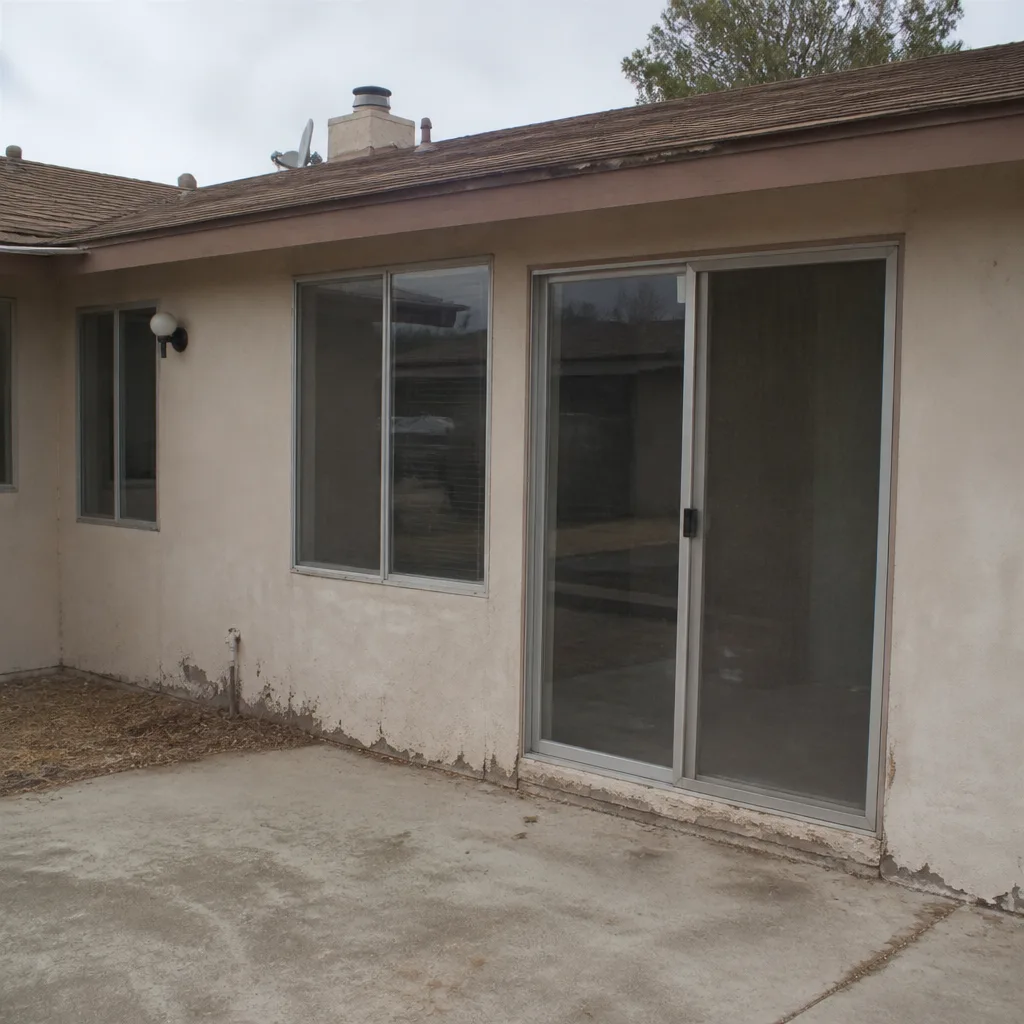 Before
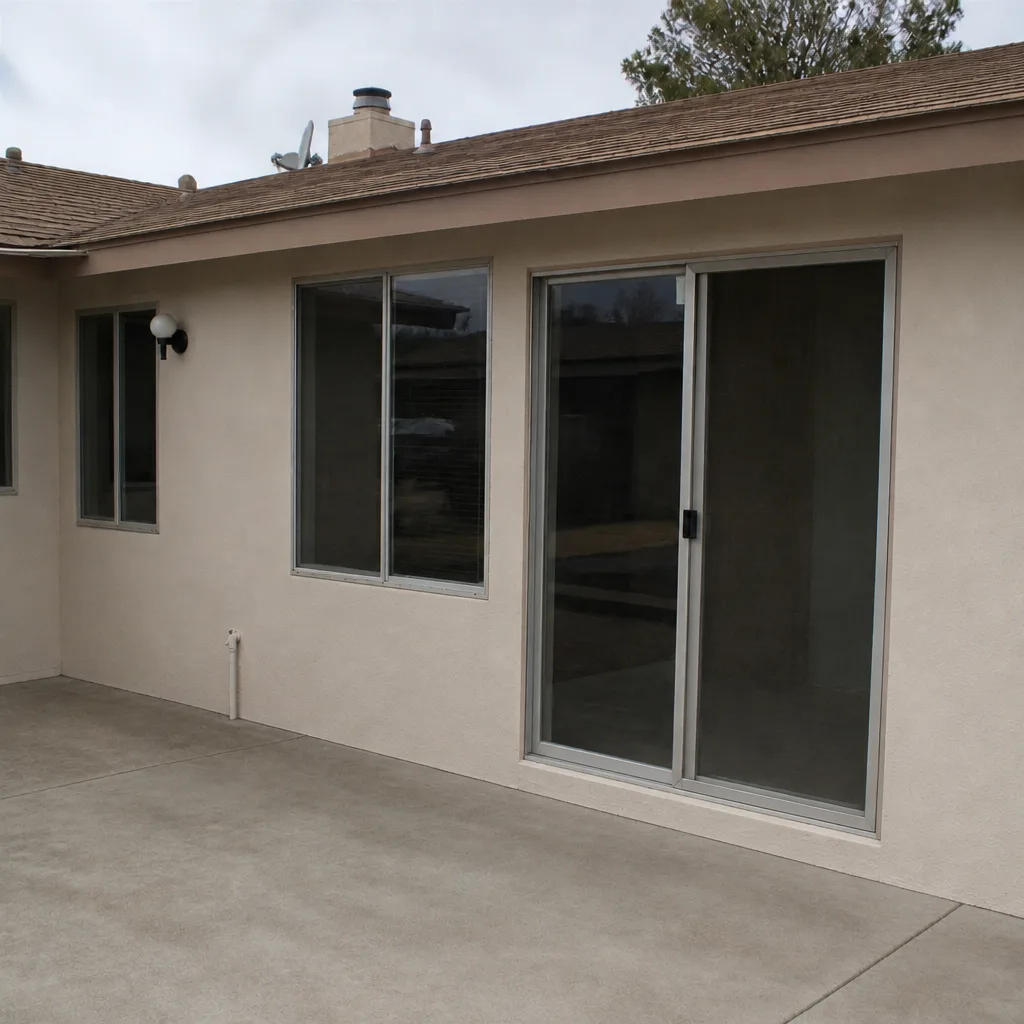 After
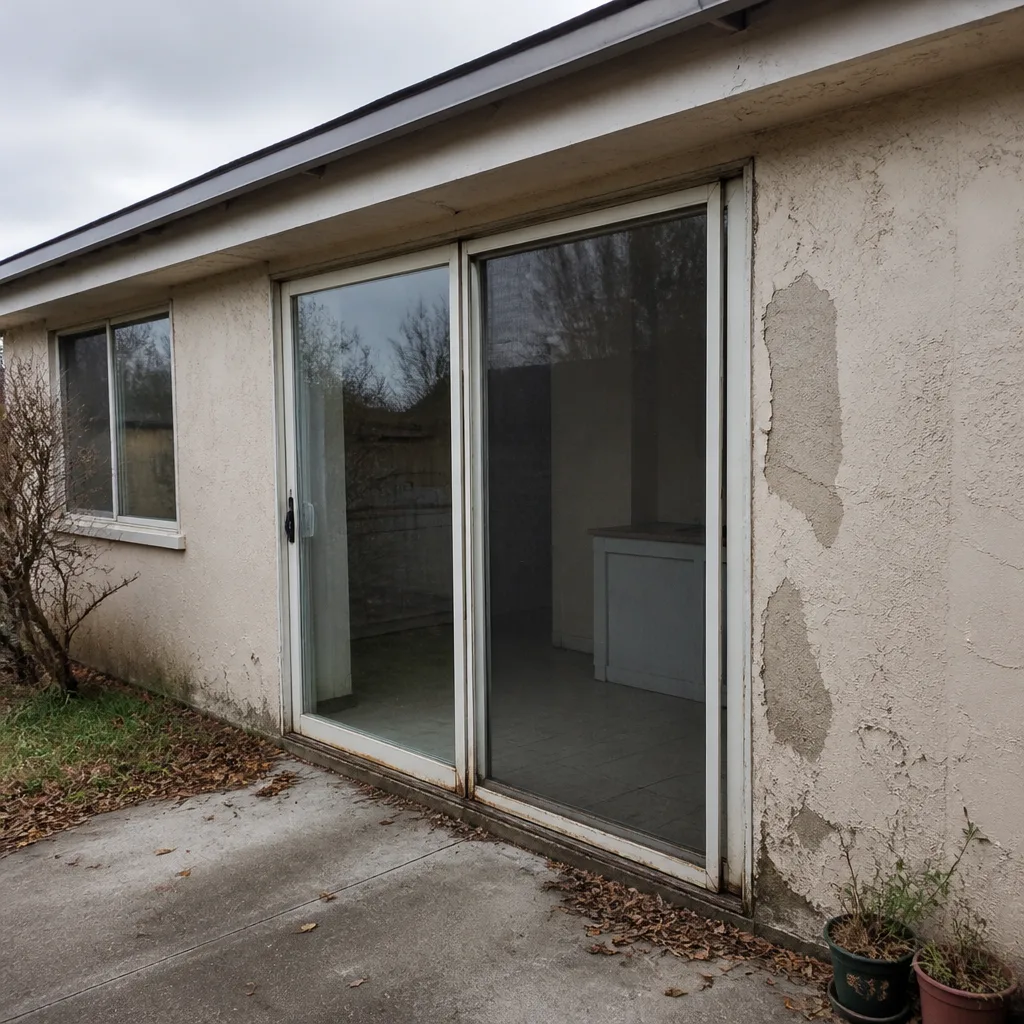 Before
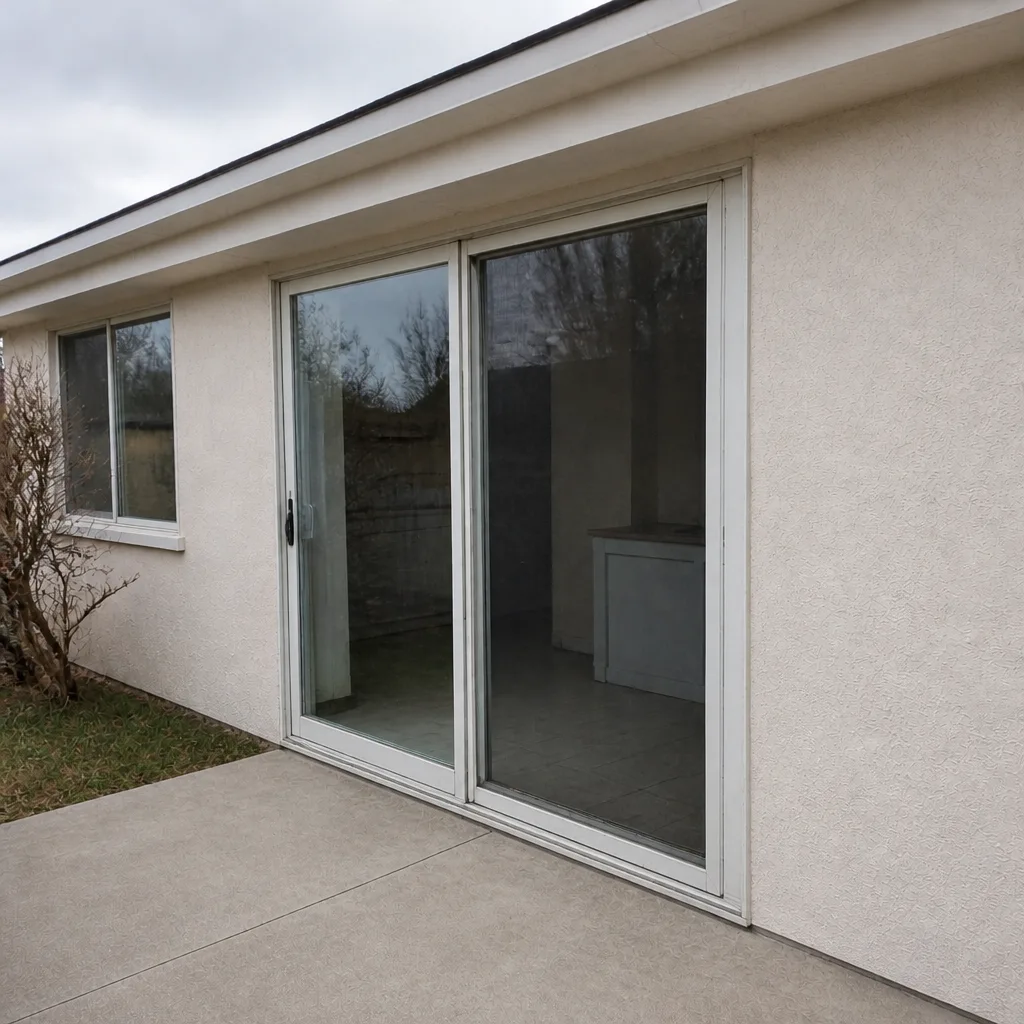 After
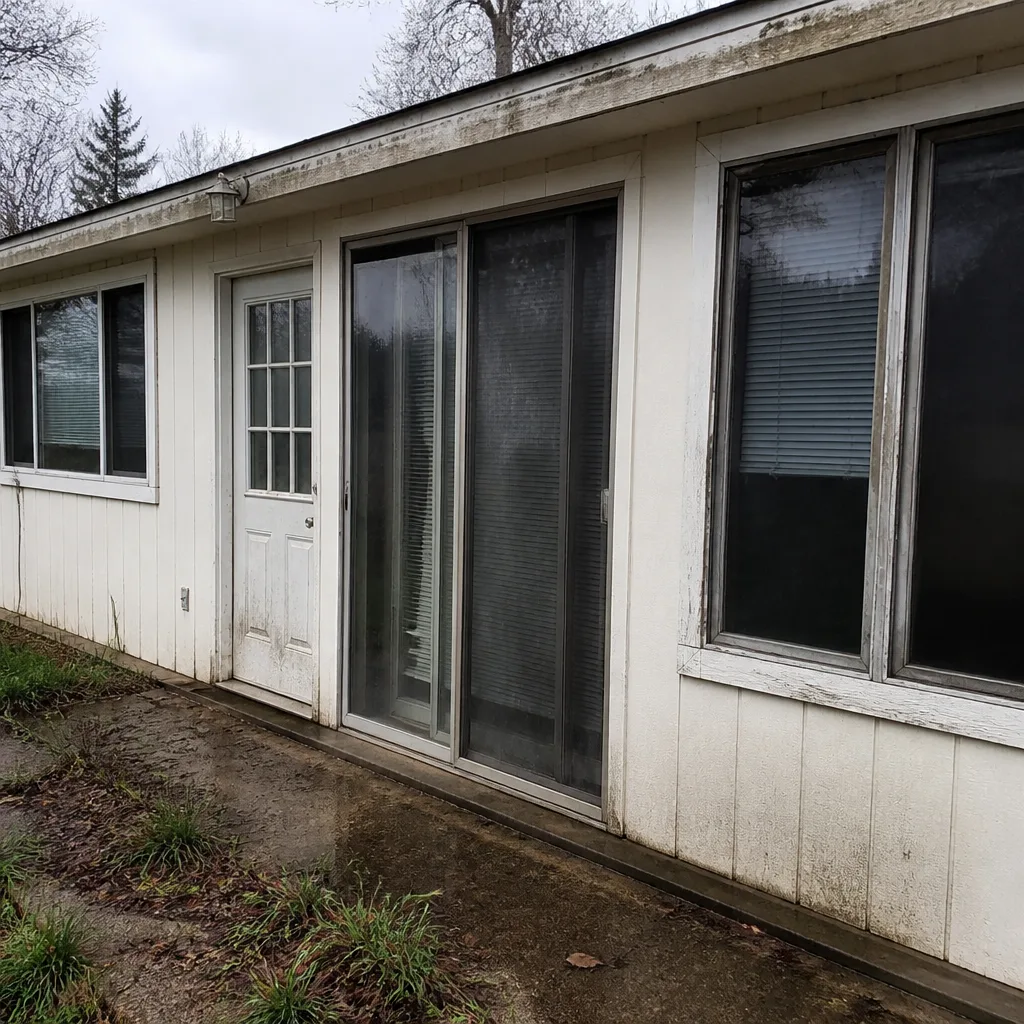 Before
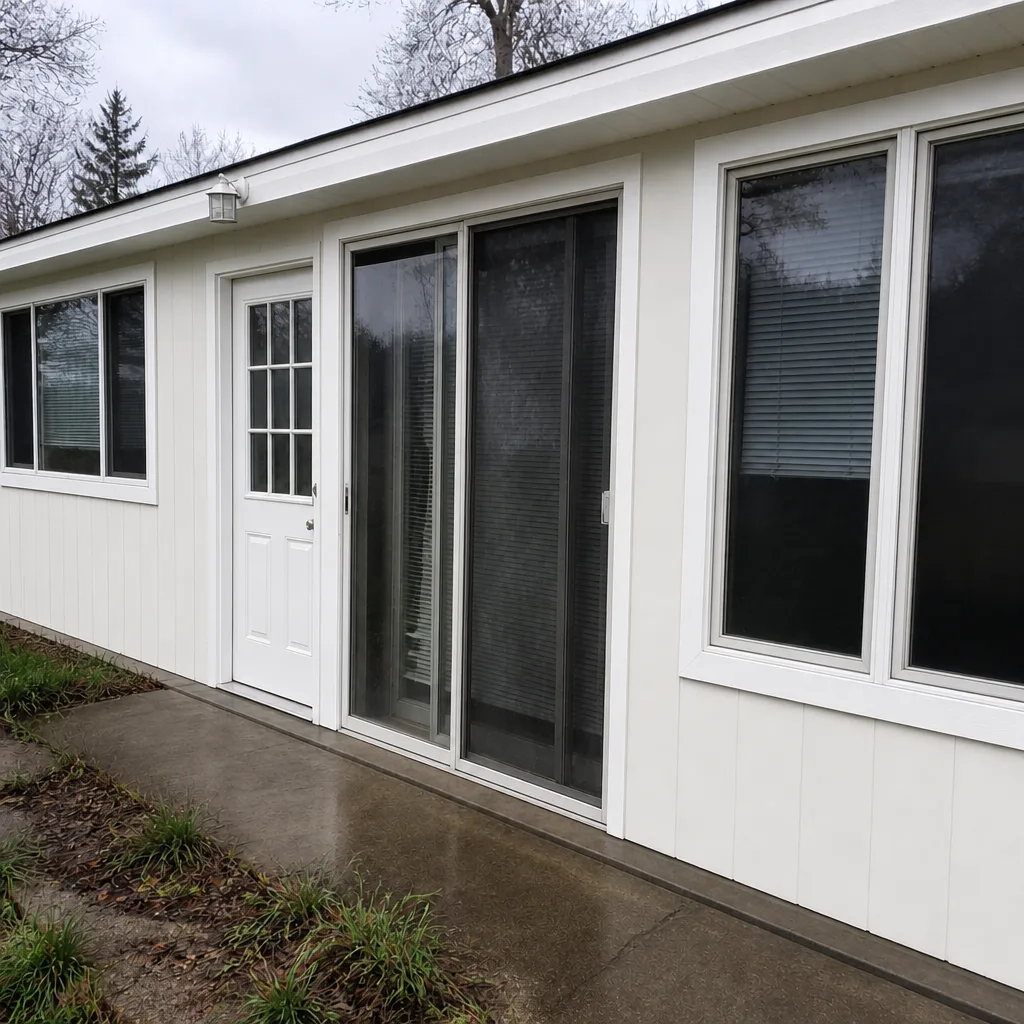 After
When to Call a Professional
Some window and door work is a genuine safety and performance matter, not a weekend project. Call a professional if you’re seeing fogging or condensation between panes, which usually means a failed seal unit. Call if you notice water staining or soft wood around a window frame after a rain event, since that can indicate a flashing or sill issue that gets more expensive the longer it sits. Call if a window or door is difficult to operate, sticks, or no longer latches – that’s often a sign of a failing unit or settling that needs proper evaluation. And call before you buy, if you’re considering impact-rated or energy-efficient replacements and don’t know which line fits your home.
Window Replacement Paradise offers free estimates in Paradise – call (855) 763-9014. We answer 24/7. Fast dispatch from 7am to 7pm, Sunday through Friday.
Frequently Asked Questions
Ask for their Nevada State Contractors Board license number and classification, then verify it on the board’s public lookup. Follow with questions about manufacturer factory training records, what percentage of their annual revenue comes from windows and doors, who actually performs the install, and who issues the labor warranty. A direct, specific answer to each is the signal you’re looking for.
No. A license confirms the contractor is legally allowed to perform the work and is bonded as required, but it doesn’t certify installation competency for any specific product. The craft skill of setting a window or door correctly – flashing, sill pan, sealant, finish integration – is learned separately from licensing. That’s why training records and revenue-share questions matter as much as the license check.
Compare line items, not totals. Ask each contractor to itemize product by brand and model, labor, trim, permit, and disposal. Reject quotes that use vague substitution language like “or equal” without your written approval, and check that installation method callouts – flashing, sill pan, sealant, and finish repair – appear explicitly in the scope. The written estimate sets the final price, so specificity protects you.
A manufacturer warranty covers the product itself. A labor warranty covers the installation and belongs to the contractor who signed your contract. They’re separate documents. Before signing, get the labor warranty in writing and ask what happens to it if the company closes or changes ownership.
Impact-rated products are a real category worth considering here, particularly for wind-driven debris and security performance. PGT, CGI, and ES Windows offer impact-rated lines, and whether it’s the right choice depends on your home, exposure, and priorities. Ask your contractor to explain the anchoring and sealing requirements for the specific impact system they’re proposing – installation details matter more with these products than with standard units.
Timeline depends on the scope: the number of openings, whether doors are included, product lead times for the brand and model you select, and permit and inspection scheduling. The best way to get a real answer is to ask during the estimate. Confirm the projected schedule in writing, including when the permit will be pulled and when the final inspection is expected. Call (855) 763-9014 for an exact quote – estimates are free.
The Bottom Line
The right windows and doors contractor in Paradise isn’t the one with the biggest portfolio or the lowest number. It’s the one whose business depends on getting installation right. Verify the license and understand what it does and doesn’t guarantee. Ask for factory training records, not badges. Ask what share of their revenue comes from openings work. Read the quote for brand specificity, itemized pricing, and explicit installation methods. And get the labor warranty in writing, along with what happens to it if the company changes hands. A specialist welcomes those questions. A generalist filling a slow week won’t have good answers. For window replacement and door installation done by a team whose only focus is openings, call (855) 763-9014 for a free estimate.
Written by the team at Window Replacement Paradise.