Last updated November 17, 2026
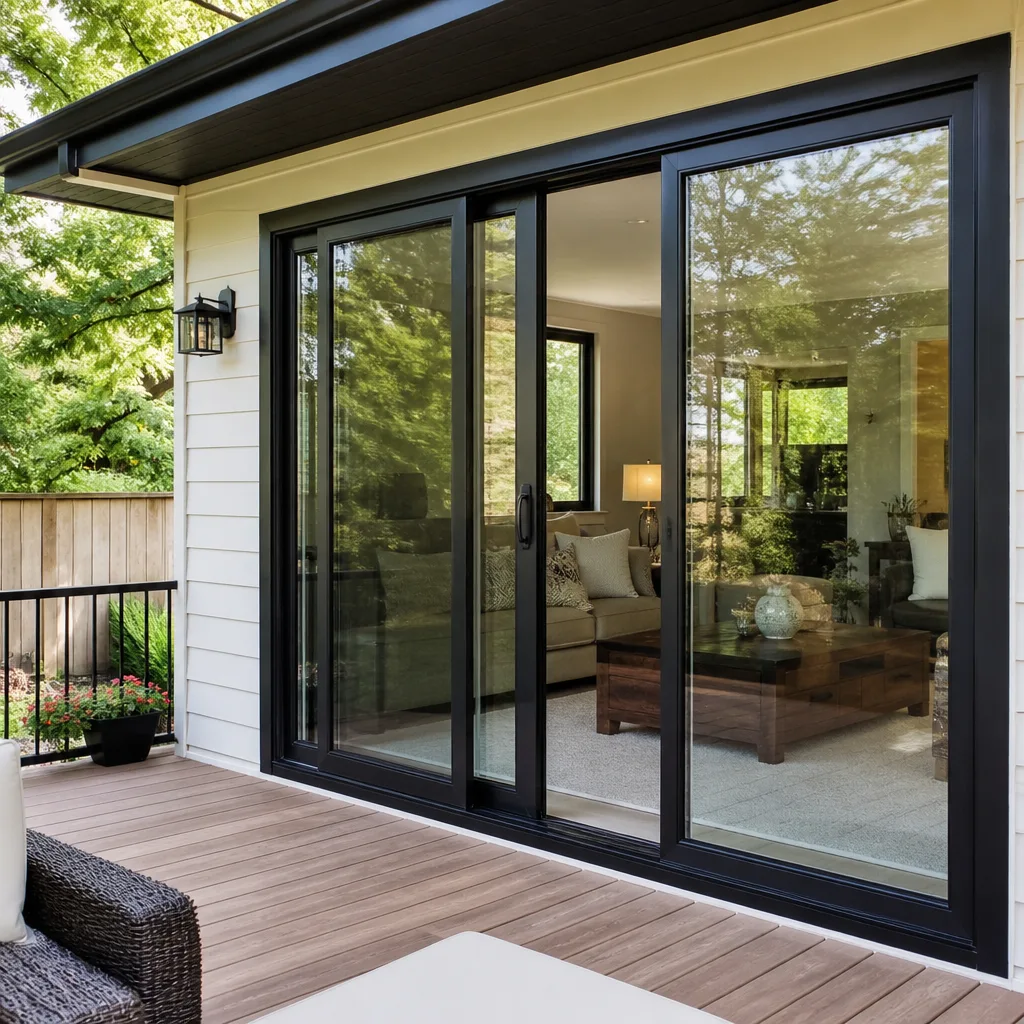 Sliding glass doors
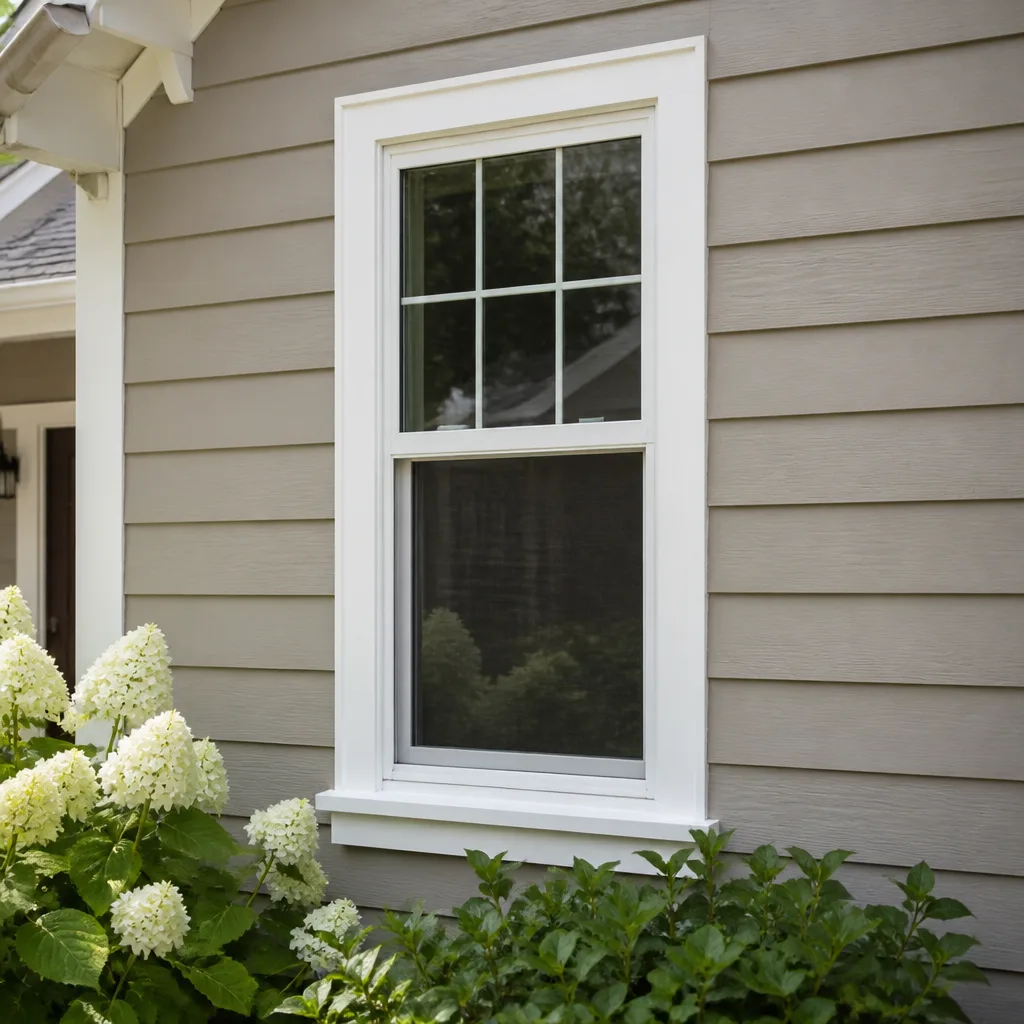 Single hung
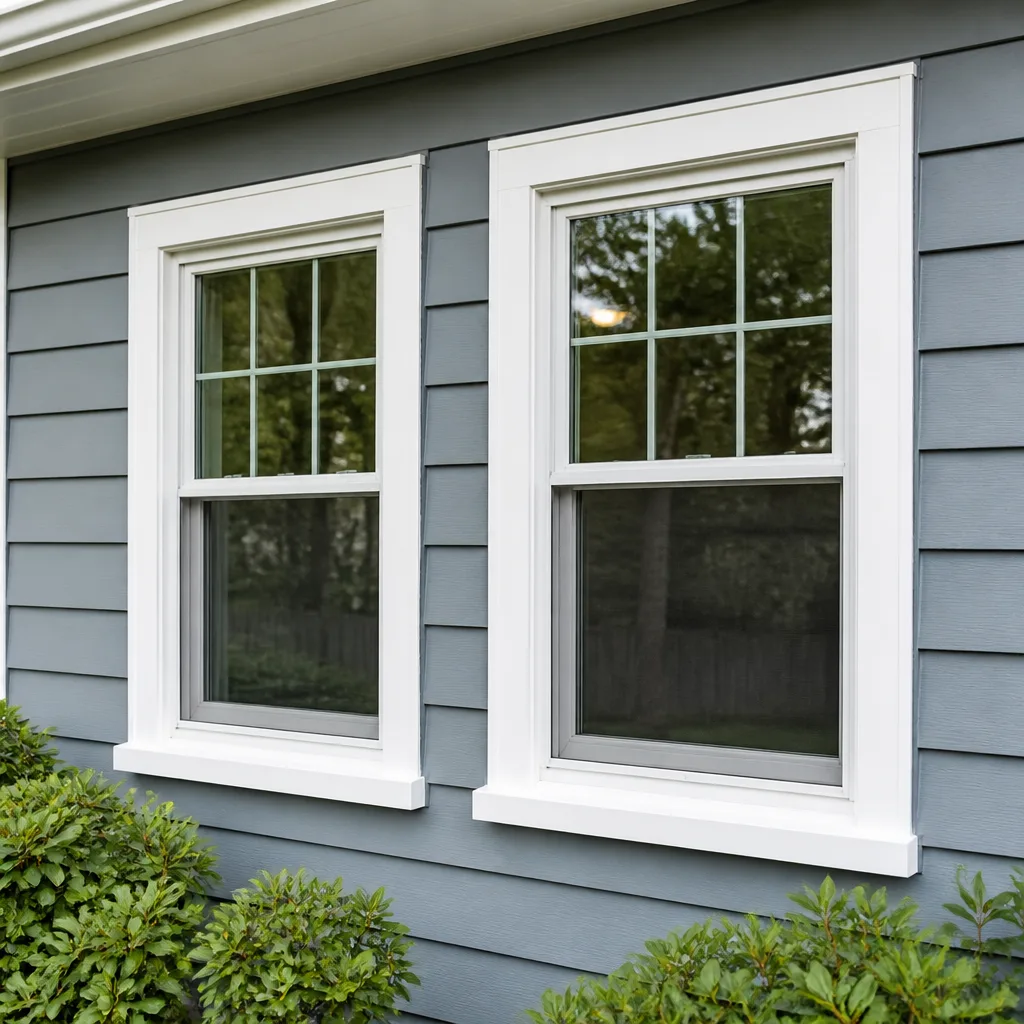 Double hung
 Horizontal roller
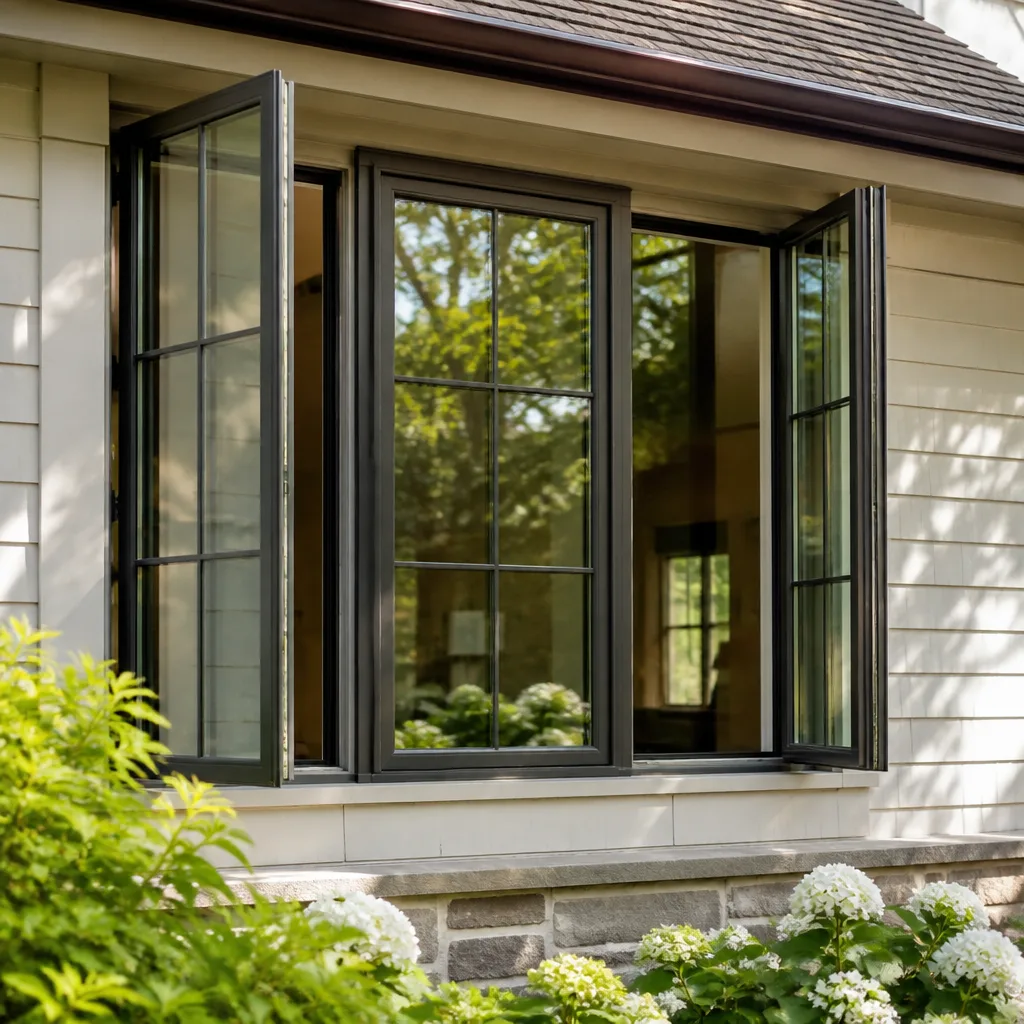 Casement
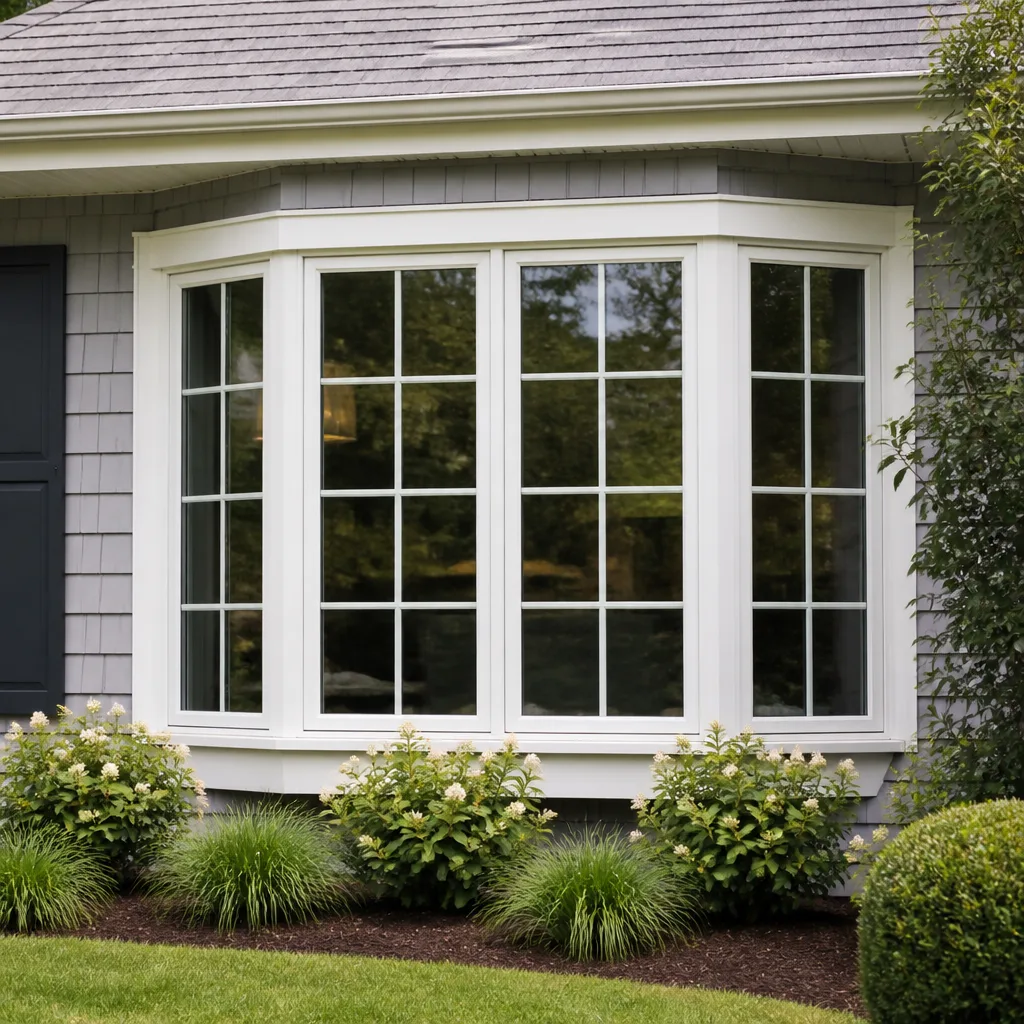 Bay & bow
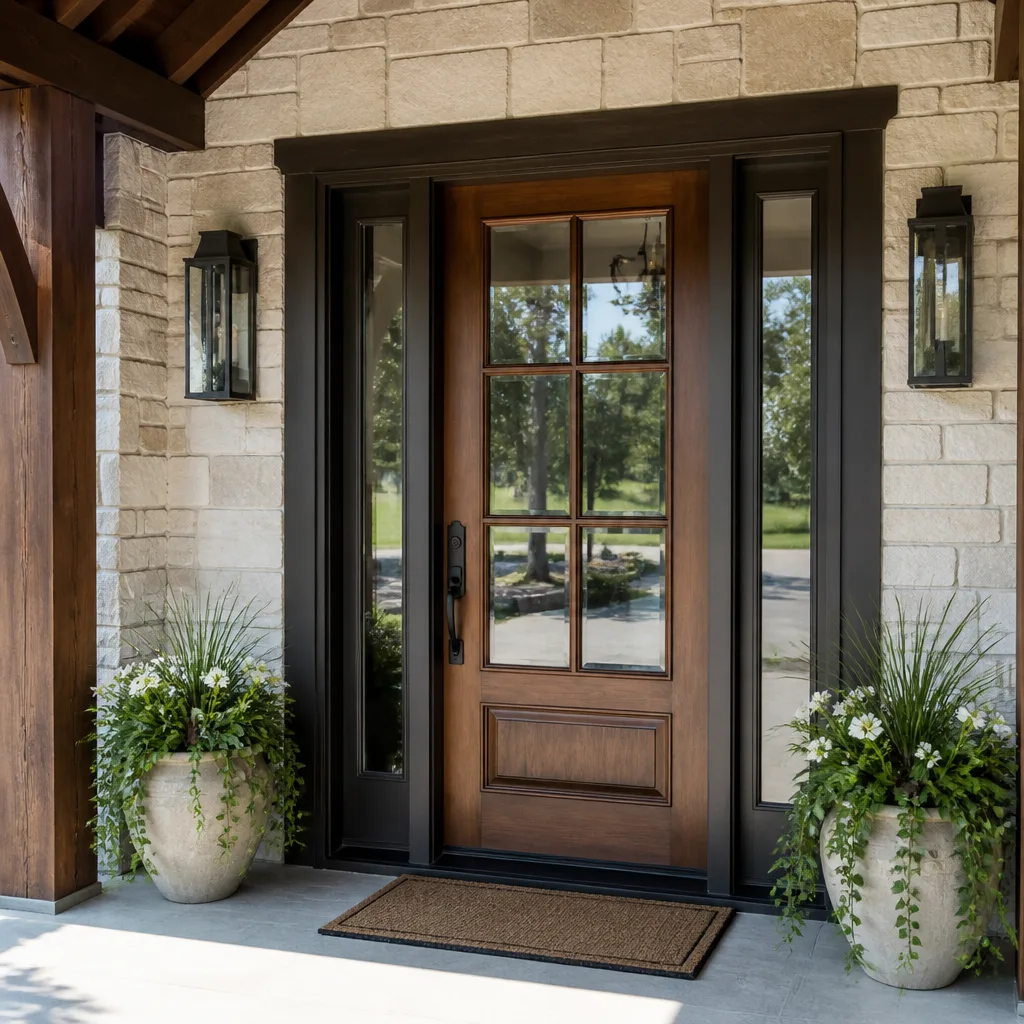 Entry doors
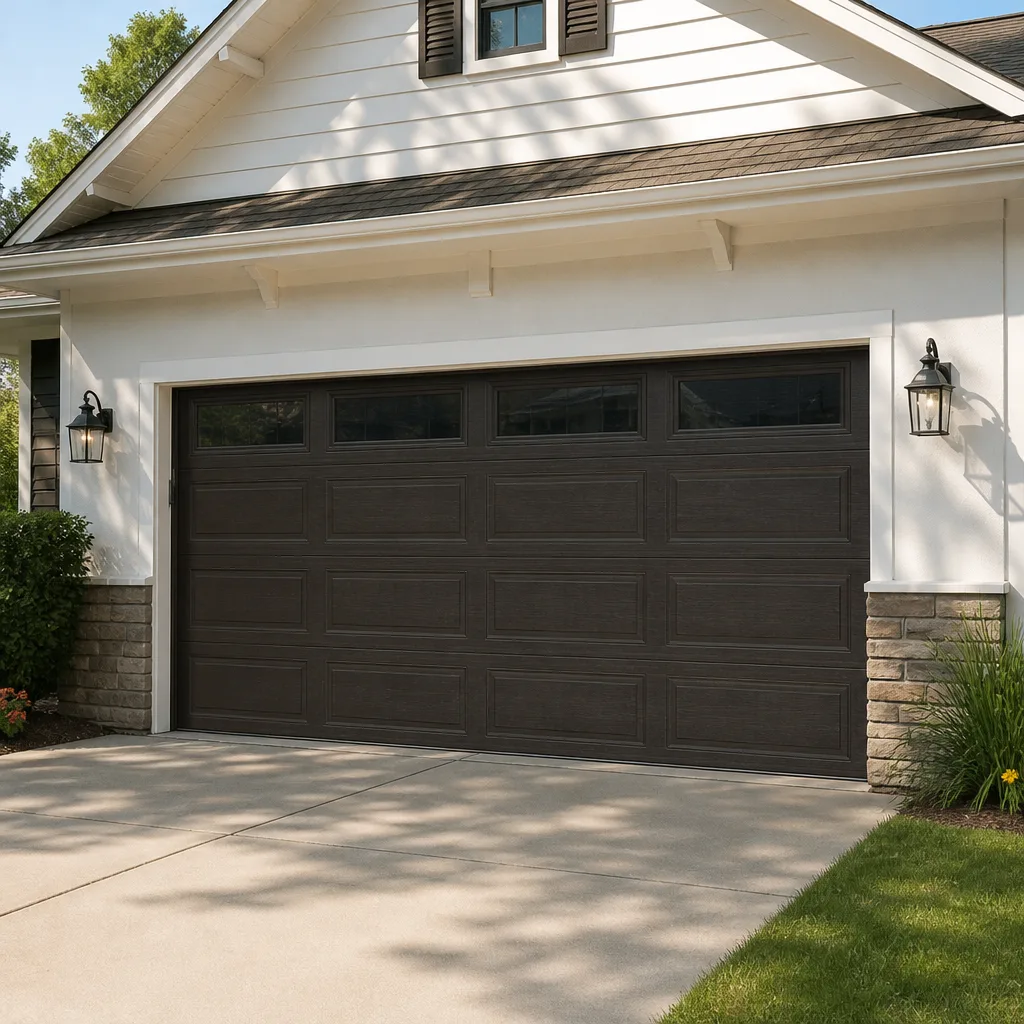 Impact garage doors
 PGT
 CGI
Free in-home measure and quote - PGT, CGI and CWS impact lines compared on your actual openings, style by style
Get your free estimateWindows & Doors Permits, Codes & Inspections in Paradise, NV: What You Need to Know
Most Paradise homeowners assume a window or door replacement is a simple swap that needs no paperwork. That’s the detail people get wrong. In Clark County, replacing an opening in the building envelope touches energy code, safety glazing rules, and in many cases a permit and inspection before the job can be signed off. The window you choose and the way it gets installed both matter to an inspector who’s checking the finished opening. This guide walks through what actually triggers a permit in Paradise, which codes come into play, what an inspection looks like, and how to keep your project from stalling over a missed step.
Quick Answer
In Paradise, NV, replacing windows and doors in an existing home usually requires a building permit when you’re changing the size of the opening, altering the structural framing, or installing new units in a wall that didn’t have one. Like-for-like replacements follow the same energy code and safety glazing rules but are often handled through a simplified permit path, so it’s always worth confirming with Clark County before work starts. An inspection checks installation, flashing, egress and glass ratings before the job is closed out.
Styles & brands we work with
- Single hung
- Double hung
- Horizontal roller
- Casement
- Bay & bow
- Sliding glass doors
- Entry doors
- Impact garage doors
- PGT
- CGI
Table of Contents
- Why windows and doors need permits at all
- Which window and door jobs need a permit in Paradise
- The codes that apply to windows and doors here
- How the Paradise climate shapes code compliance
- What an inspection actually checks
- The permit and inspection process, step by step
- The real cost of skipping a permit
- Inside-out: why the installer matters as much as the paperwork
Why windows and doors need permits at all
A window or door isn’t a decoration. It’s an opening cut through the part of your house that separates indoors from outdoors, so it carries structural, energy and life-safety weight. That’s why building codes treat these openings as regulated work rather than cosmetic improvements.
Three things sit behind almost every window and door permit requirement:
- Structural integrity. When an opening changes size or a new one is cut, the header and framing have to be engineered to carry the load that was there before. An inspector wants to see that the load path is intact.
- Energy performance. Nevada’s energy code sets requirements for how much heat a window lets through and how much air leaks around it. A replacement unit that doesn’t meet the code threshold can’t be signed off.
- Life safety. Bedrooms need a window or door you can escape through in a fire. Glass near the floor or in a door has to be tempered or otherwise safety-rated. These aren’t negotiable.
In Paradise, that combination means the permitting authority cares about both the product you install and the way it’s sealed and flashed into the wall. A permit isn’t red tape for its own sake; it’s the mechanism that gets a trained eye onto the finished opening before the wall closes over it. Getting this right the first time is cheaper than fixing it after a failed inspection.
Which window and door jobs need a permit in Paradise
The answer depends less on whether you’re replacing something and more on whether you’re changing it. A true like-for-like swap is treated differently from a job that alters the opening, the framing, or the wall itself.
Here’s the working rule of thumb we use when advising homeowners in Paradise:
- Same size, same location, same operation. Replacing a window with an identical-size unit in the same rough opening is the simplest path. Some jurisdictions allow this under a simplified or over-the-counter permit, but you still confirm energy and safety glazing compliance.
- Changed size or new opening. If the new unit is bigger, smaller, or goes into a wall that didn’t have an opening, expect a full permit with framing and header review.
- Structural changes. Widening a doorway, combining two windows into one, or removing load-bearing wall material behind an opening always requires a permit and likely an engineered detail.
- Egress or safety glazing changes. If you’re converting a room to a bedroom or adding a glass door, the egress and glazing rules apply and pull the project into the permit process.
- Storefront or commercial glazing. Anything beyond a single-family home replacement falls under commercial review.
Because the line between a simple replacement and a permitted alteration can be genuinely fuzzy for a specific house, the safe move is to call the Clark County building department with your address and what you plan to do. They’ll tell you exactly which permit path applies. A specialist installer who pulls permits regularly knows how to phrase the question so you get a straight answer.
The codes that apply to windows and doors here
Nevada adopts a statewide building code framework, and local jurisdictions like Clark County administer it at the permit counter and on the inspection. For windows and doors, a handful of code areas come up on almost every job.
Energy code
Windows and doors are part of the building thermal envelope, so the energy code sets performance requirements for the whole assembly. The two figures that matter most are the U-factor (how well the glass resists heat flow) and the Solar Heat Gain Coefficient (how much solar heat comes through). In a desert climate, a low solar heat gain coefficient is doing real work to keep cooling loads down. Climate zone requirements dictate the minimums, and the product’s label or spec sheet is what the inspector looks at.
Egress
Every bedroom and every sleeping space needs a means of escape through a window or door that meets minimum opening size requirements. If you’re replacing a window in a bedroom with a smaller unit, or changing the operation from sliding to casement, you need to confirm the new unit still satisfies egress.
Safety glazing
Glass in doors, in sidelights next to doors, and near the floor has to be safety-rated (tempered or laminated) so that if it breaks it doesn’t send shards. This is a very common inspection item when a homeowner picks an attractive full-glass entry door without checking the glazing rating.
Structural framing
The header over an opening has to be sized for the load. On a replacement that keeps the same opening, this is usually already right. On a resized opening, an inspector will want to see the header detail and that it matches the plan. In our experience, most failed inspections on window and door work come back to flashing and weather-sealing rather than the header, but both get checked.
How the Paradise climate shapes code compliance
Paradise sits in the Las Vegas Valley, and that geography drives product selection more than most homeowners expect. Summer heat is intense, drying winds are common, and the sun hits west- and south-facing openings hard for much of the year. That has real consequences for what code-compliant and durable look like here.
- Solar gain is a load, not a comfort detail. A window with a high solar heat gain coefficient turns an interior room into a greenhouse in the afternoon. Selecting the right glass for the orientation of each opening is genuinely design work, not a one-size pick.
- Air infiltration matters. Buildings that leak around poorly sealed frames make the HVAC system work harder all summer. Flashing and sealing isn’t a nicety in this climate; it’s part of what an inspector checks and part of what keeps your energy bill honest.
- Material durability. Heat cycling and hard UV exposure age seals, weatherstripping and finishes faster than in gentler climates. Choosing frames and glazing built for it is part of the practical picture.
- No salt air here. Some product literature is written for coastal homes. Paradise isn’t one, so you aren’t fighting marine corrosion. What you’re fighting is heat and sun.
We carry product lines like ES Windows and ECO Window Systems because their impact-rated and energy-efficient options are built to face exactly this pattern of sun, heat and wind. Matching the product to the opening’s orientation and the home’s structure is where code compliance and long-term comfort come together.
What an inspection actually checks
An inspection is the moment of truth. The permit is the promise; the inspection is the confirmation. Knowing what’s checked keeps surprises off the table.
Here’s the list a typical window and door inspection covers:
- Product compliance. The installed unit matches the specifications submitted with the permit, including U-factor, SHGC, and safety glazing.
- Rough opening and framing. Header and framing are correct for the size of the opening and the load it carries.
- Flashing and weather barrier. The opening is properly flashed so water can’t get behind the wall. This is where most failures live.
- Sealing and air infiltration. Foam, caulk and gasketing are in place so the unit performs as specified.
- Operation. Windows open, close and latch correctly; doors swing and latch cleanly.
- Egress and safety glazing. Egress dimensions are right and glass in hazard locations is rated.
- Final sign-off. Once these pass, the permit is closed and the work is documented.
Many municipalities, including Clark County, will want to see the inspection happen in the right sequence: rough framing and flashing before the wall is closed, final installation after. Getting the sequencing wrong means a re-inspection and lost time.
The permit and inspection process, step by step
Here’s the sequence that a well-run window or door project follows in Paradise. Every step exists for a reason; skipping one is where projects get messy.
- Confirm the scope. Decide whether you’re doing a like-for-like replacement or changing opening size, location, or operation. This determines your permit path.
- Check with Clark County. Call the building department with the address and scope and confirm whether a permit is required and which application applies.
- Select products that meet code. Match the window or door to the energy code requirements for each opening and to safety glazing and egress rules where they apply. Get the spec sheets and NFRC labels.
- Submit the permit application. Include the product specifications, any structural details for resized openings, and a site plan if needed. A specialist installer handles this step so nothing is missed.
- Get the permit issued. Don’t start work before the permit is in hand.
- Install and call the inspection at the right stage. Rough framing and flashing first if required, then final install. Be present or available if the inspector needs access.
- Pass the inspection and close out the permit. Keep the final paperwork with your home records. It’s a selling point later and it’s your proof the work was done right.
When we handle the process, this is the pipeline we run. It’s not glamorous, but it’s the difference between a job that’s finished and one that’s finished and documented. For related technical detail on the install side, see our guide to window installation.
The real cost of skipping a permit
Skipping the permit can save a few hundred dollars up front. It can cost far more later. The problems show up in these ways:
- Inspection surprises at sale. When a buyer’s inspector or appraiser flags unpermitted work, the sale can stall while you retroactively permit the work or negotiate a price cut.
- Insurance risk. If a window or door failure contributes to water damage and the work wasn’t permitted or inspected, an insurance company can push back on the claim.
- Code violations on record. Unpermitted work has to be brought up to current code when it’s discovered, and that can mean redoing framing, flashing or even replacing a unit that doesn’t meet energy requirements.
- Lost warranty leverage. Some product warranties are conditioned on installation to code and to the manufacturer’s spec. Unpermitted work can weaken your position.
None of this is a scare tactic. It’s the ordinary consequence of an opening that wasn’t inspected. Permitting is the cheapest insurance on a window and door project you’ll ever buy.
Inside-out: why the installer matters as much as the paperwork
A permit and an inspection are only as good as the work they check. Two installers can hold the same permit and turn out very different jobs. What separates them is trade depth: whether they do windows and doors all day, every day, or fill in window work between other projects.
Windows and doors are all we do at Window Replacement Paradise. That focus means every detail we bring to a Paradise job, from selecting the right product for each opening to sequencing the flashing so an inspector signs off, comes from repeated practice on openings specifically. We carry a hand-picked roster of eight manufacturers, including ES Windows, ECO Window Systems, Mr-Glass and Therma-Tru, so we can match the product to your home’s orientation and structure rather than selling whatever is easiest to source.
Our technicians have up to 9 years of experience, and they pull permits and know the inspection sequence. That’s the part of the project you don’t see in photos, but it’s the part that protects your investment. If you’re weighing a replacement project, our window replacement page covers the product and installation side in more depth.
Common Mistakes to Avoid
- Assuming like-for-like needs no permit. It’s a common belief, and in some cases it’s true, but Clark County may require a simplified permit and will definitely want energy and safety glazing compliance documented. Confirm first.
- Ordering product before checking egress. A beautiful replacement window in a bedroom that no longer meets escape requirements fails inspection and has to come out. Confirm egress dimensions before you order.
- Skipping the spec sheet. Inspectors want to see U-factor and SHGC and safety glazing ratings. Losing the NFRC label is a self-inflicted delay.
- Flashing done as an afterthought. In a desert climate it’s tempting to focus on heat rejection and treat flashing as secondary. Water intrusion around a badly flashed opening causes far more damage here than most homeowners realize.
- Sequencing the inspection wrong. Calling for a final inspection before the rough-stage work is signed off (or vice versa) means a re-inspection and a stalled project.
- Choosing a product that ignores orientation. A glass package that works on a north-facing wall can cook a west-facing room. Orientation-specific selection is what stands between you and an uncomfortable afternoon.
- Treating the permit as a contractor’s problem. It’s your property and your records. Keep the permit number and final inspection paperwork with your home documents.
See the difference
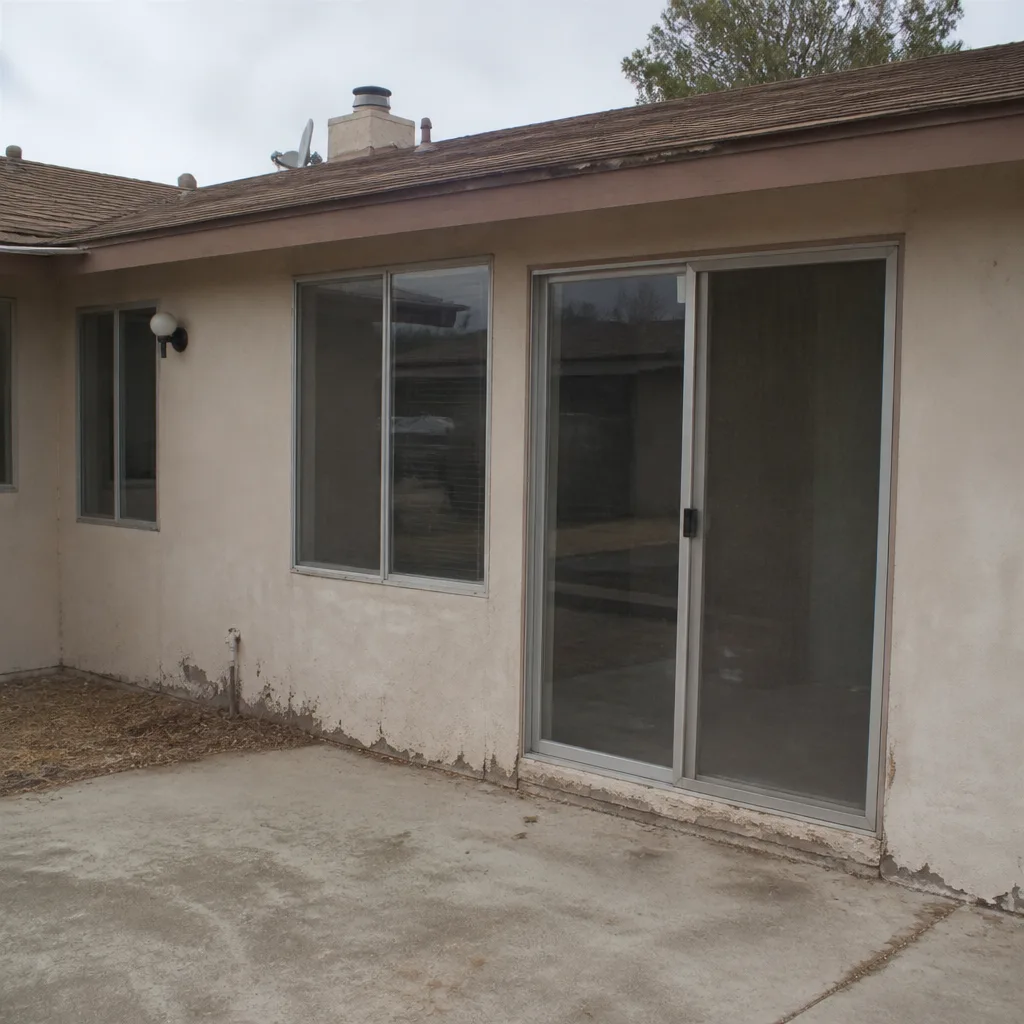 Before
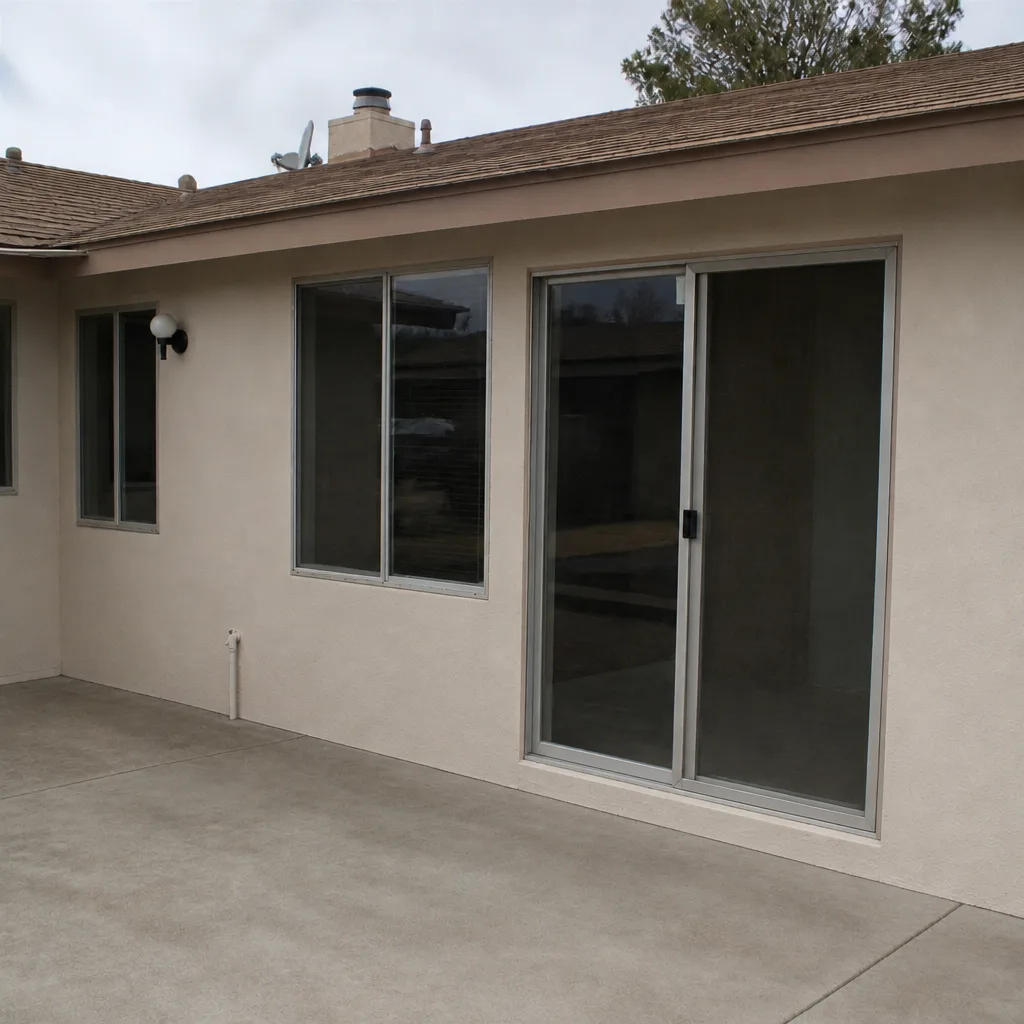 After
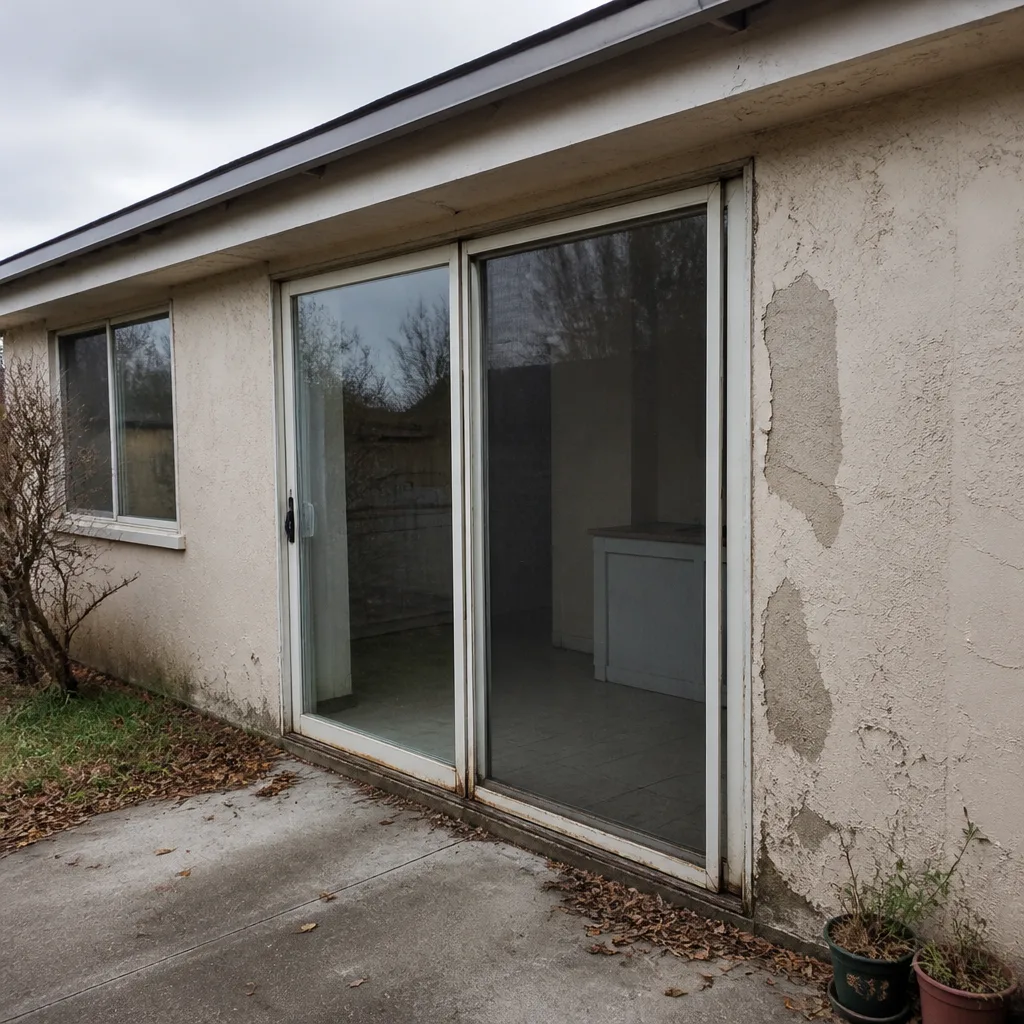 Before
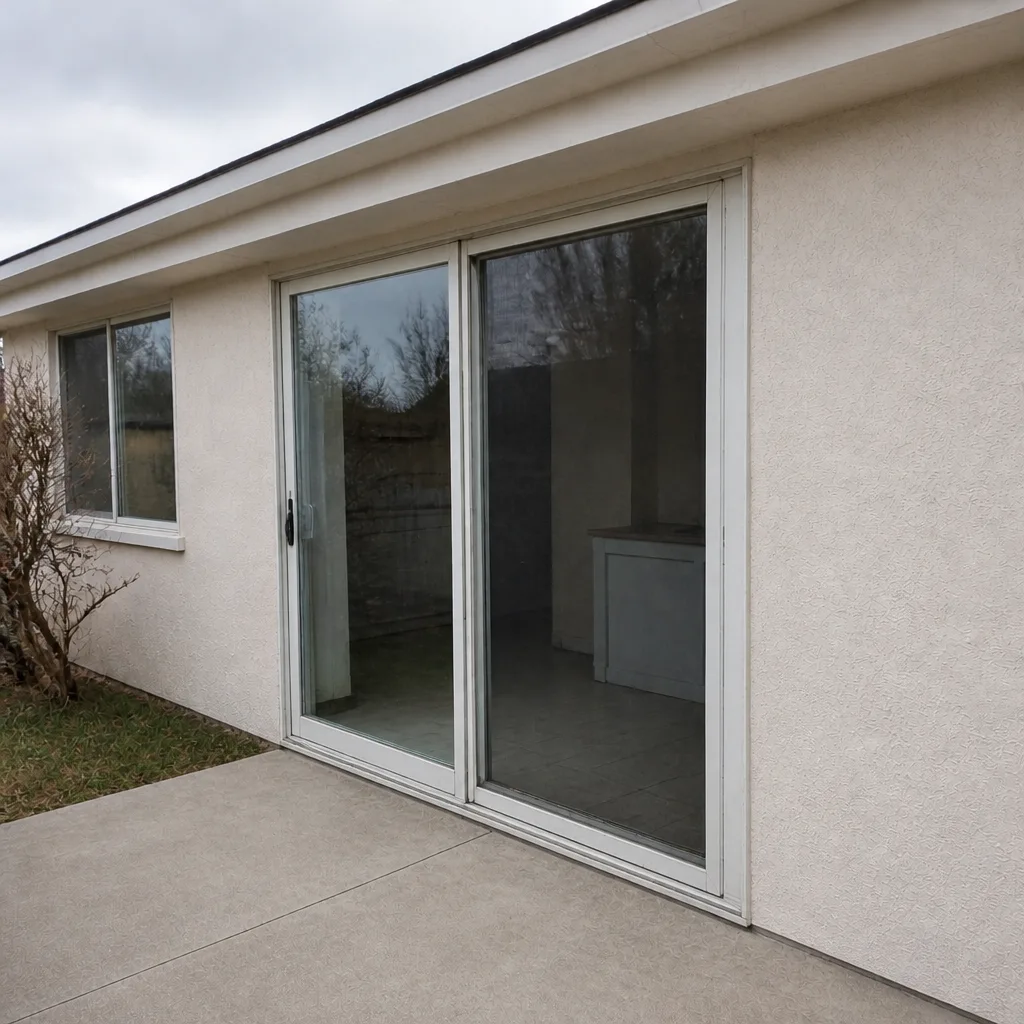 After
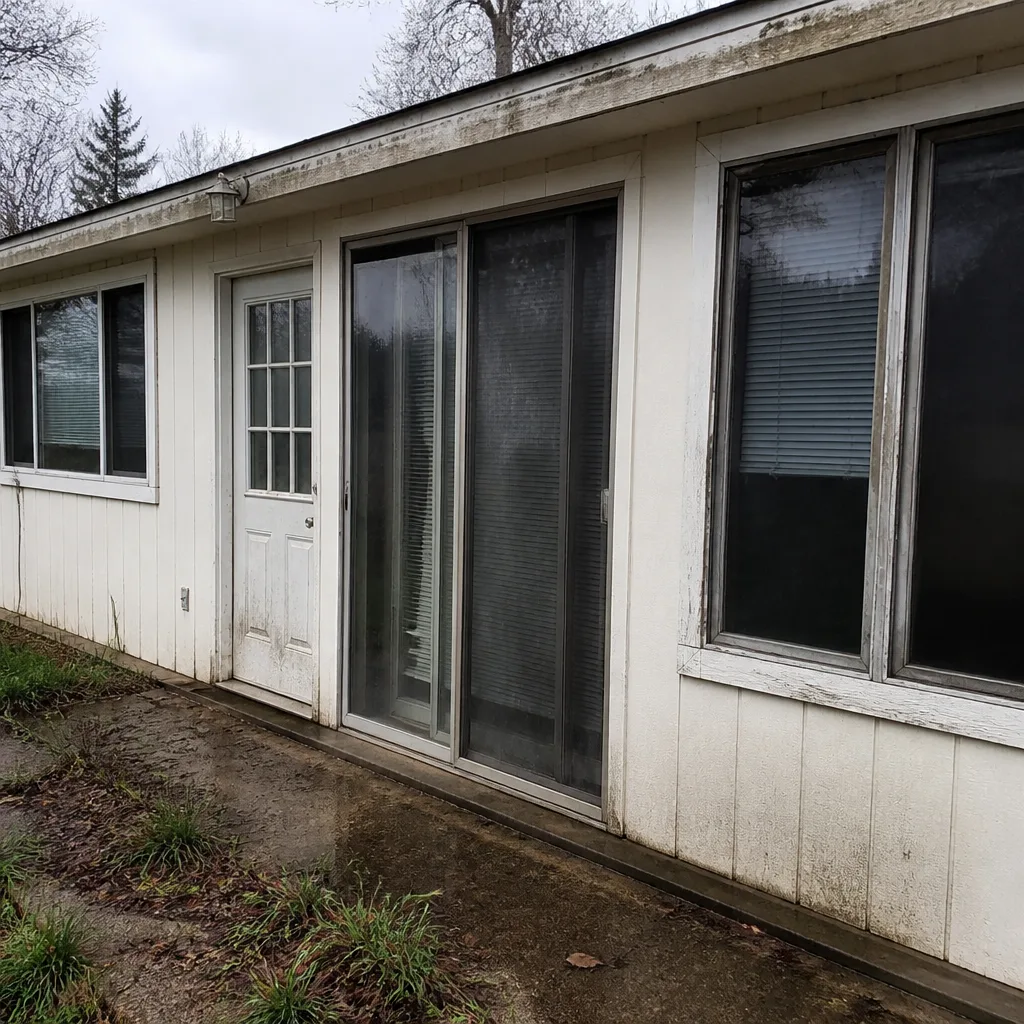 Before
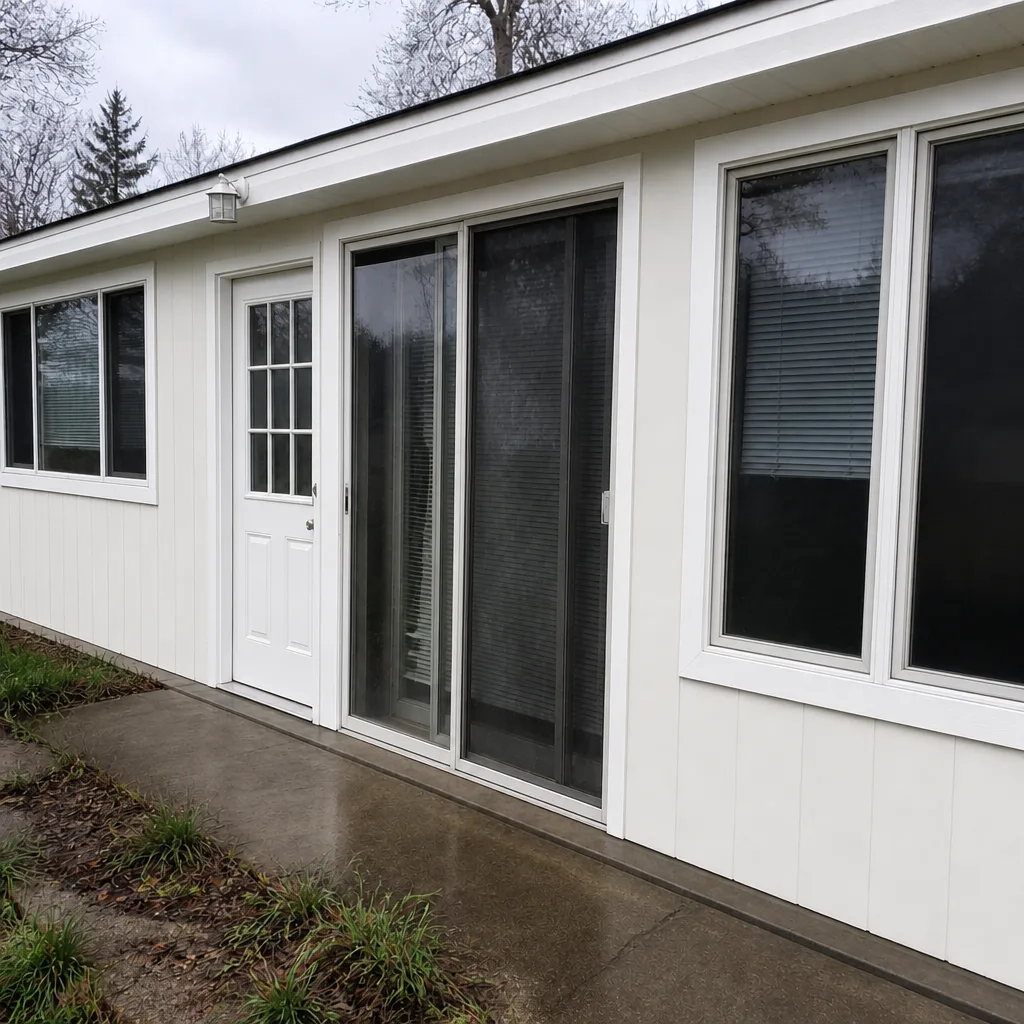 After
When to Call a Professional
Some parts of a window or door project are genuinely for a professional to manage, and this is one of them. Call a specialist when you’re changing an opening’s size or location, when the new unit needs structural framing or an engineered header, when you’re not sure whether egress or safety glazing applies, or when the permit and inspection sequence needs coordinating so the job doesn’t sit half-finished. The permit path, the product spec, and the install all interact, and getting any of them wrong costs more than doing it right the first time. At Window Replacement Paradise, Window Replacement Paradise covers windows and doors only, so the permit and inspection experience is built around openings rather than split across other trades. We offer free estimates in Paradise – call (855) 763-9014.
Frequently Asked Questions
You often do, but it depends on the scope. A true like-for-like replacement in the same rough opening may fall under a simplified permit path with Clark County, while any change to opening size, location or structural framing typically requires a full permit. Call the Clark County building department with your address and scope to confirm before ordering product. For an exact quote on your project, call (855) 763-9014 – estimates are free.
It checks product compliance (U-factor, SHGC, safety glazing), framing and header, flashing and weather barrier, sealing and air infiltration, operation, egress dimensions and safety glazing in hazard locations. Once these pass, the permit is closed and the work is documented. The most common source of a re-inspection is flashing and weather-sealing, not the window itself.
Permit fees vary by jurisdiction and by the scope of work, and they’re set by Clark County rather than by the installer. For an exact figure on your property, confirm the fee with the building department when you call about the permit. For a free estimate on the windows and installation side, call (855) 763-9014.
You can physically do it, but skipping the permit carries real risk: buyer inspections can flag unpermitted work and stall a sale, insurance can push back on a related claim, and the work has to be brought up to current code when discovered. It’s not a shortcut worth taking. For a permitted, inspected installation, call (855) 763-9014.
Doors fall under the same energy code as windows, plus egress rules for any door serving as a bedroom exit, and safety glazing rules for glass in doors, sidelights and panels near the floor. An entry door with full glass needs the glass rated correctly, which is where a selection mistake usually happens. Need help picking a compliant door? Call (855) 763-9014 for a free estimate.
The permit and inspection timeline depends on Clark County’s current review load and the scope of your project, and the installation itself depends on the number of openings and product lead time. We’ll lay out both timelines in your free written estimate so you know what to expect. Call (855) 763-9014 to schedule.
The Bottom Line
In Paradise, windows and doors are regulated building components, not decorative swaps. A permit and an inspection confirm that the product meets energy code, the opening is safe for escape and safety glazing, and the flashing and sealing will hold up to desert sun and wind for years. Skipping them saves upfront money and costs far more later. Choose a specialist who pulls permits, knows the inspection sequence, and matches the product to each opening rather than selling whatever’s easiest. For a free estimate and a straight answer on your project, call Window Replacement Paradise at (855) 763-9014. We answer 24/7. Fast dispatch from 7am to 7pm, Sunday through Friday.
Written by the team at Window Replacement Paradise.