Last updated November 17, 2026
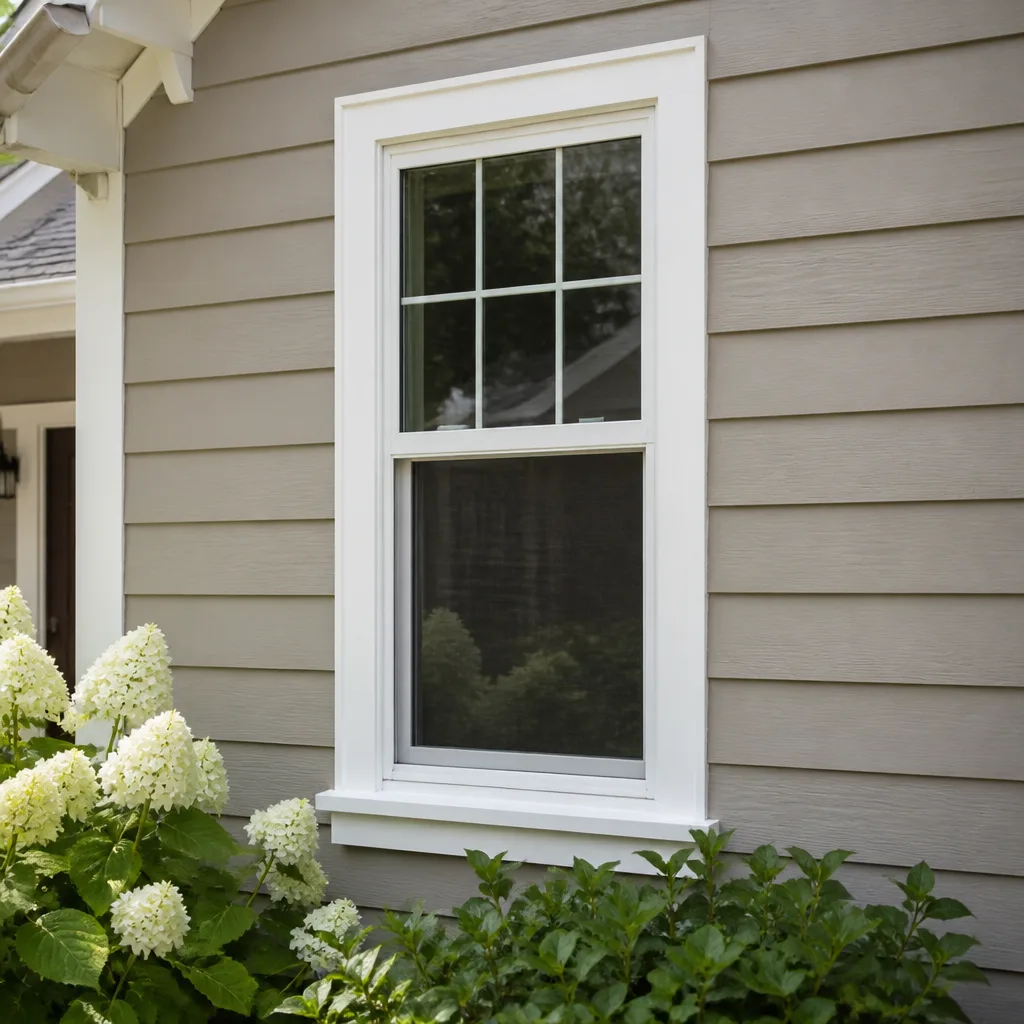 Single hung
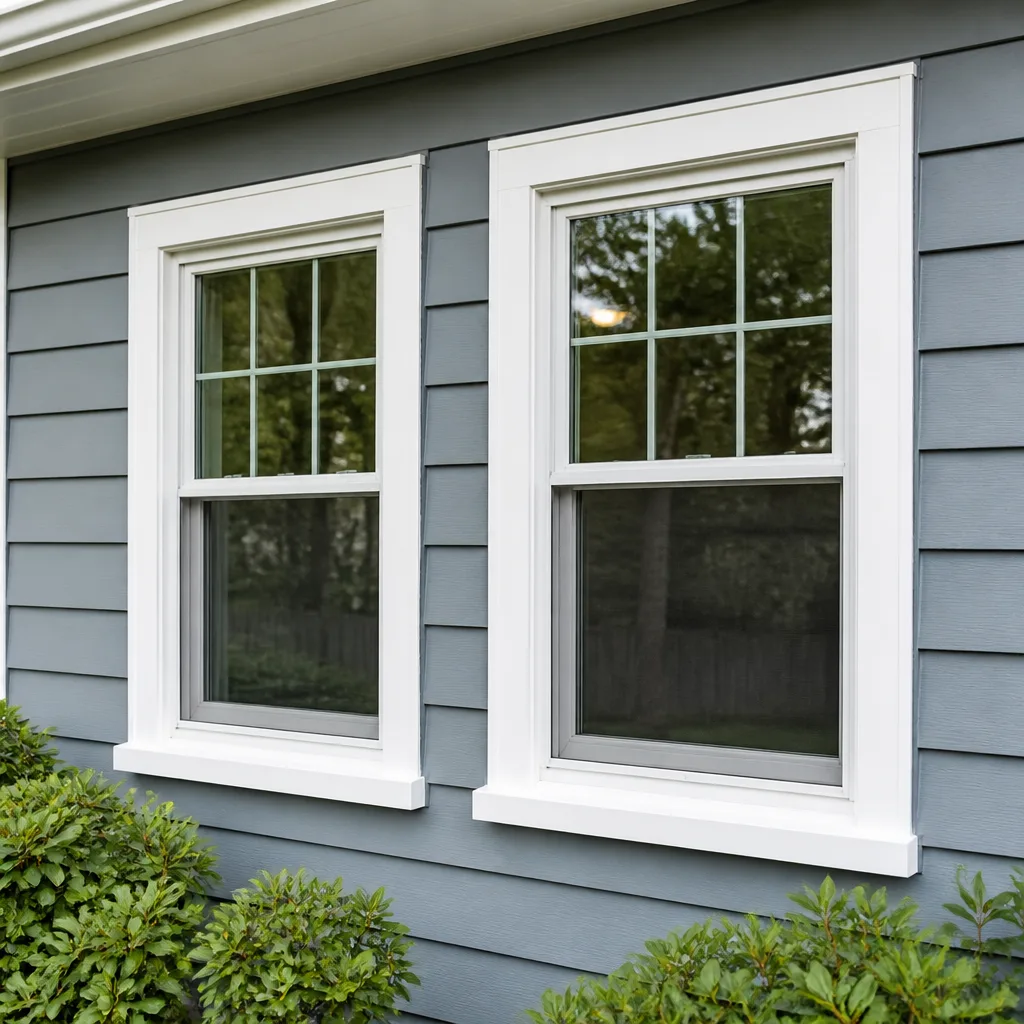 Double hung
 Horizontal roller
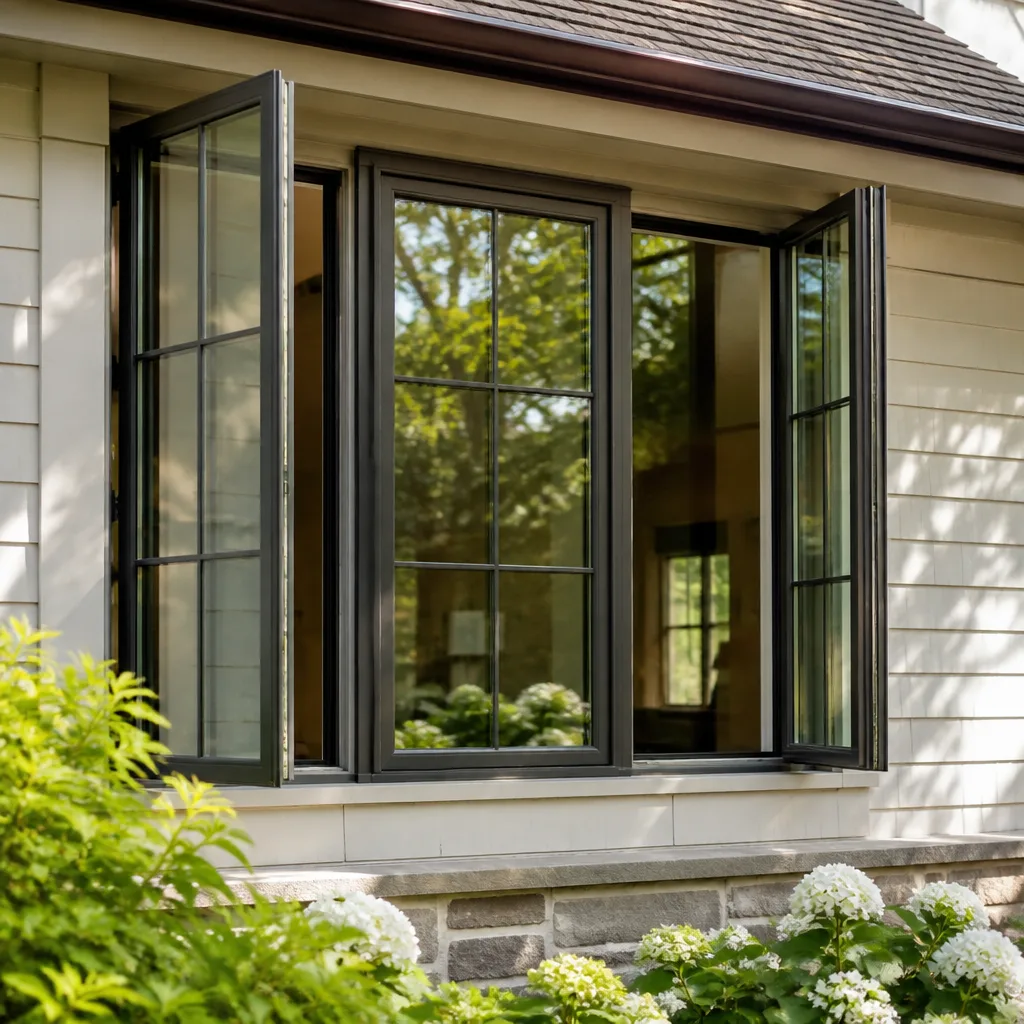 Casement
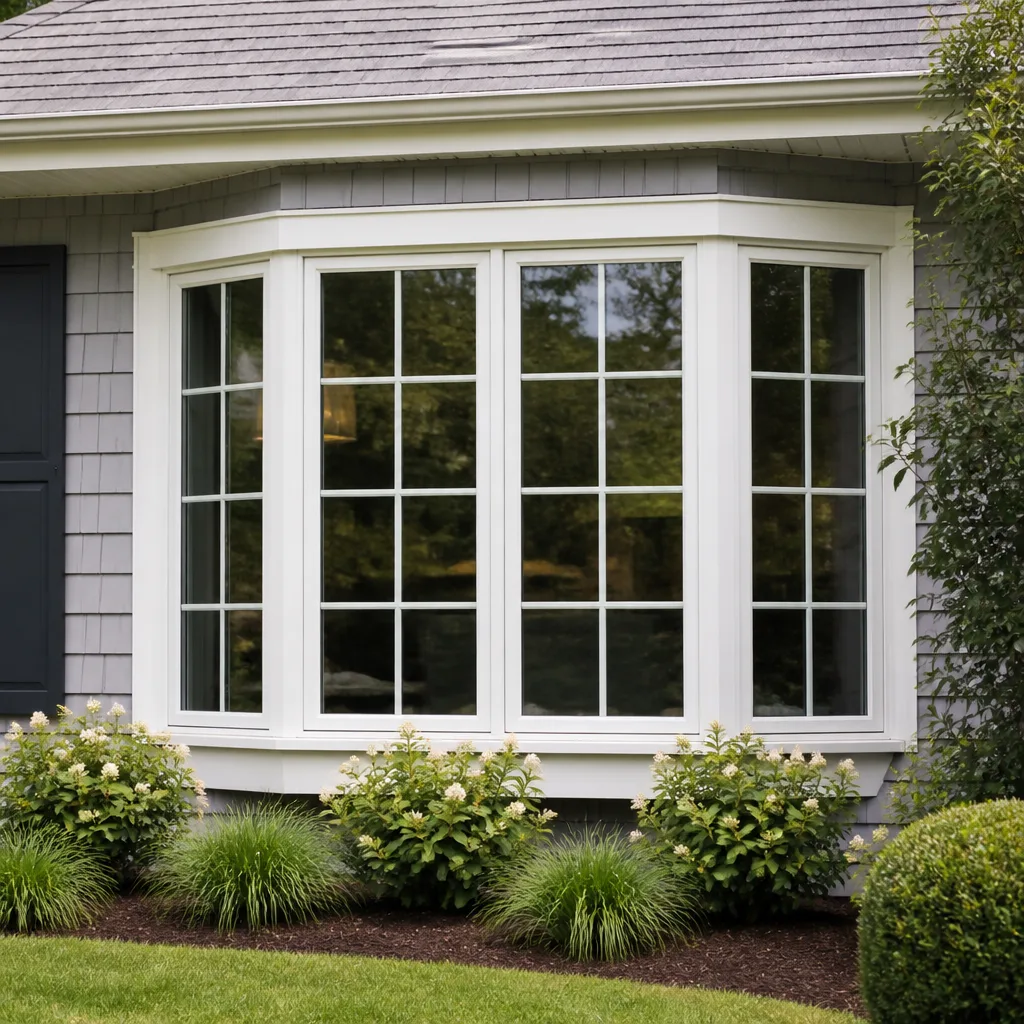 Bay & bow
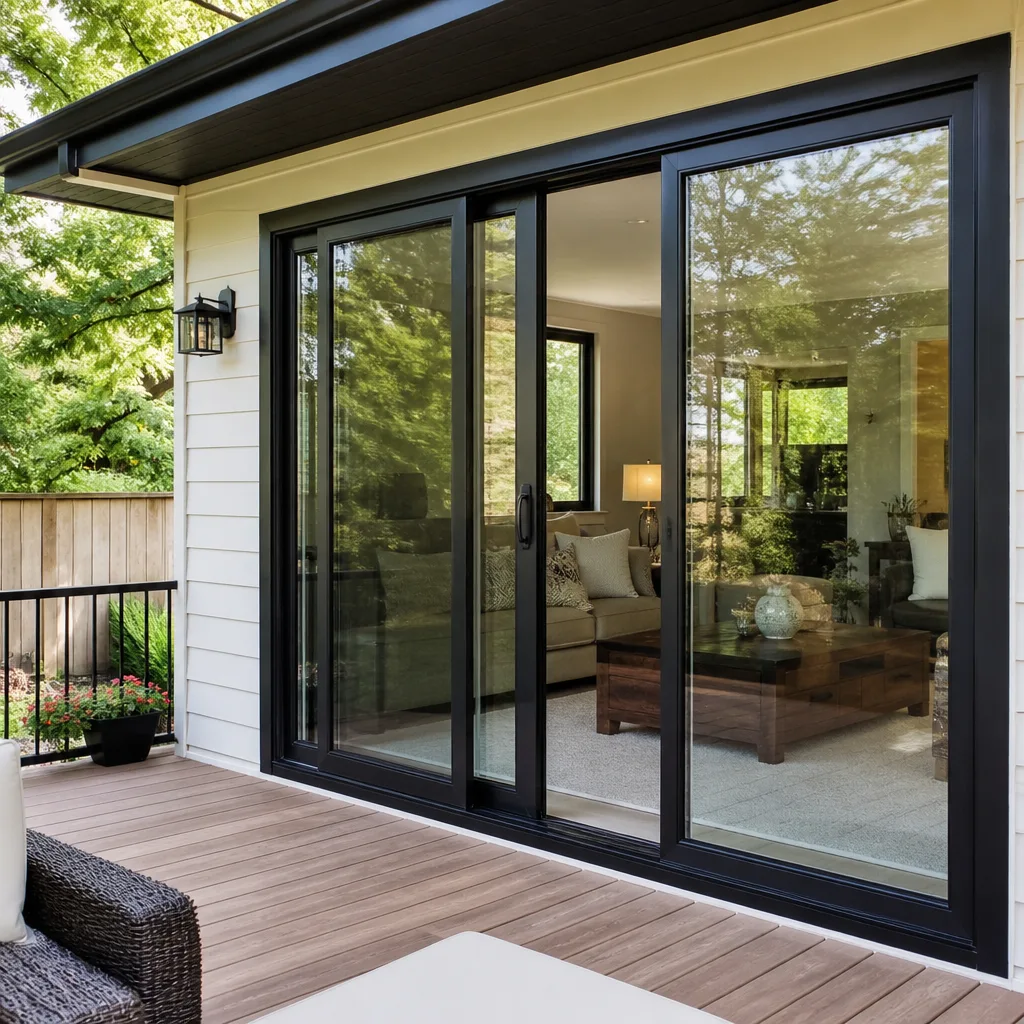 Sliding glass doors
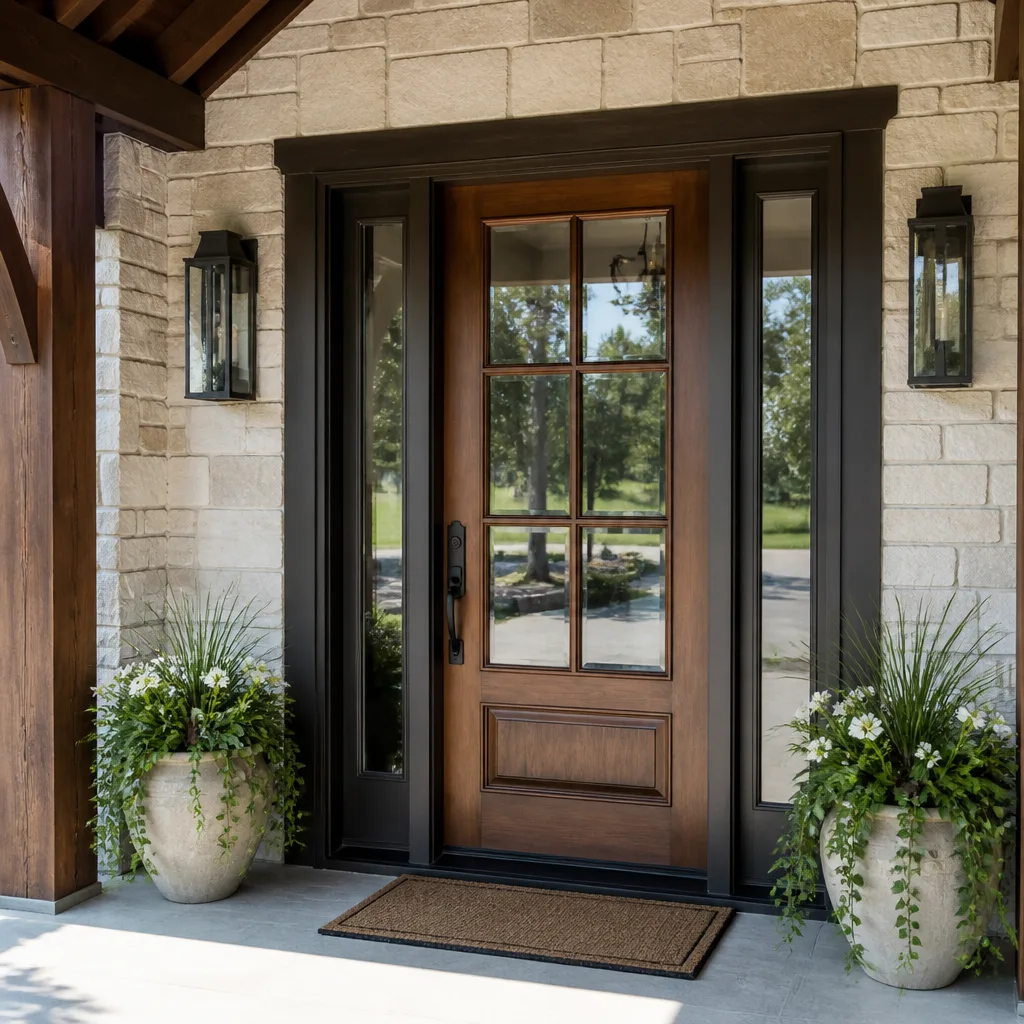 Entry doors
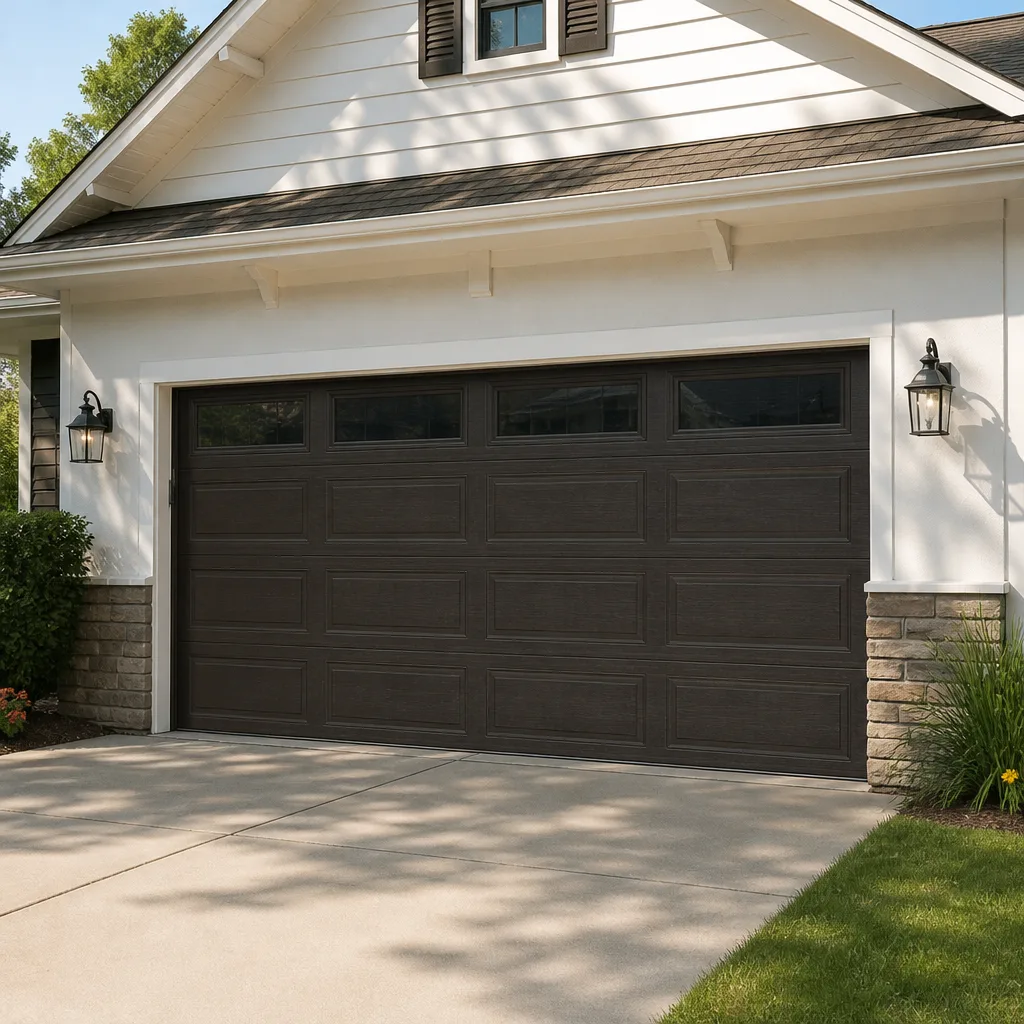 Impact garage doors
 PGT
 CGI
Free in-home measure and quote - PGT, CGI and CWS impact lines compared on your actual openings, style by style
Get your free estimateThe Complete Window Replacement Guide for Paradise Homeowners
Most window-buying guides are written for a climate that doesn’t exist here. They talk about keeping heat in, chasing winter drafts, and balancing a heating season against a cooling season. In Paradise, that math is upside down. The sun is the main event for most of the year, and a window that performs beautifully in Minneapolis can quietly bake a Paradise living room while a lesser-spec unit that gets the solar numbers right stays comfortable. The spec sheet matters more than the brochure photo, and the manufacturer’s default lineup often isn’t tuned for the Mojave. This guide walks you through the decisions that actually move the needle in Paradise: solar heat gain, low-E tier, install method for stucco, how to read an NFRC label in a cooling-dominated climate, and how to compare brands without drowning in options.
Styles & brands we work with
- Single hung
- Double hung
- Horizontal roller
- Casement
- Bay & bow
- Sliding glass doors
- Entry doors
- Impact garage doors
- PGT
- CGI
Quick Answer
Window replacement in Paradise, NV should be specified around cooling performance first: aim for a Solar Heat Gain Coefficient (SHGC) under 0.25, prioritize a low U-factor second, and choose a full-frame or retrofit install based on the condition of your existing stucco openings. Match the product to a climate that sees intense sun and high summer temperatures, not to generic national advice written for temperate zones. Get the spec right and the rest – brand, style, glass package – falls into place.
Table of Contents
- Why Windows in Paradise Are a Different Specification Problem
- Solar Heat Gain Coefficient: The Spec That Decides Your Summer Bills
- Low-E Coatings: Why Tier Choice Flips in a Cooling Climate
- How to Read an NFRC Label for Desert Conditions
- Retrofit vs. Full-Frame Installation in Stucco Homes
- A Manufacturer Comparison Framework for Paradise Homeowners
- Glass Packages, Spacers, and Frame Materials
- What a Replacement Project Actually Involves
- Common Mistakes to Avoid
- When to Call a Professional
- Frequently Asked Questions
- The Bottom Line
Why Windows in Paradise Are a Different Specification Problem
Paradise, NV logs over 294 sunny days per year. That single number reshapes how you should think about glass. In a temperate climate, roughly half the year is about heat retention and half is about heat rejection, so a window is judged on how it balances the two. In Paradise, the sun is on the glass most days of the year, and the cooling side of the equation dominates the annual energy picture. A glass package that’s merely “fine” on solar control can push your cooling load in the wrong direction for months on end.
Add UV intensity to the picture. Intense sun exposure doesn’t just heat a room; it fades furniture, flooring, artwork, and window coverings. A window that meets a modest UV-rejection target may pass code and still leave interior finishes aging faster than they would behind a better glass package. For Paradise homeowners, UV transmission is worth checking as a first-class spec, not an afterthought.
Then there’s dust. The desert landscape around Paradise produces fine particulate that finds its way into every gap, seal, and sliding track. Cheap weatherstripping and loose tolerances on sliders and casements turn into dust entry points within a couple of seasons. Frame tightness and hardware quality matter more here than they would in a humid, low-dust environment.
The takeaway: this isn’t a generic home improvement decision. Paradise‘s climate asks you to rank solar control, UV rejection, and air sealing at the top of your spec sheet, and to de-prioritize the winter-focused metrics that dominate most national buying advice. If you’re new to window projects in this climate, the deep dive in our window replacement overview is a useful companion to this guide.
Solar Heat Gain Coefficient: The Spec That Decides Your Summer Bills
Solar Heat Gain Coefficient (SHGC) measures how much of the sun’s heat energy passes through the window as a fraction of what hits it. An SHGC of 0.25 means roughly 25% of the incoming solar heat gets through; a 0.40 means 40% does. Lower is cooler. In a cooling-dominated climate, this is the single number most worth protecting.
Why SHGC under 0.25 is the working target in Paradise
Most national window-buying advice targets SHGC numbers tuned for climates with a substantial heating season, because some solar gain is welcome in winter. In Paradise, that reasoning breaks down. The cooling season is long, the sun is intense, and heat gain through glass is one of the biggest drivers of how hard an air conditioner has to work. Pushing SHGC below 0.25 – and lower on very exposed, west-facing glass – gives the room a genuine head start on comfort and reduces the load on your cooling system.
What happens when homeowners ignore SHGC
- The room never quite cools. A window with a high SHGC keeps dumping heat into the space, and the AC runs longer to hit the setpoint.
- Hot spots near west and south glass. Rooms that felt fine behind older single-pane glass can feel worse behind a “modern” unit that got the U-factor right but missed solar control.
- Higher annual cooling energy. The penalty compounds over the years, one hot afternoon at a time.
- Blinds stay closed. Homeowners give up the view to keep the room usable, which defeats the point of new windows.
Where SHGC gets tricky
Lower SHGC is almost always a win in Paradise, with one nuance: very low SHGC glass can slightly reduce visible light transmission, which some homeowners notice in north-facing rooms. That’s a trade-off to discuss with your installer, not a reason to swing back to a mild-climate spec. If your home has a lot of west-facing glass or a large sunroom, the SHGC conversation deserves extra attention, and it’s fine to specify different glass packages for different elevations of the same house.
Low-E Coatings: Why Tier Choice Flips in a Cooling Climate
Low-E (low-emissivity) coatings are microscopically thin metallic layers that change how a glass package handles radiant heat. Most guides treat low-E as a simple upgrade: “more low-E is better.” In a heating-dominated climate, that’s roughly true. In Paradise, the choice depends on which side of the glass you’re trying to protect, and how you weight solar rejection against visible light.
Double low-E vs. triple low-E in a cooling climate
- Double low-E typically targets solar control and a solid U-factor without over-darkening the glass. For most Paradise homes, this is the practical sweet spot.
- Triple low-E pushes solar rejection harder and can help in extreme exposures, but it can also reduce visible light and slightly cool interior warmth in the brief winter months. Worth it on very exposed glass, less so on shaded elevations.
- Spectrally selective coatings reject infrared heat more aggressively than visible light, which is a good match for intense desert sun. Ask specifically whether the coating is spectrally selective.
Why the heating-season logic doesn’t carry over
In cold climates, low-E is often chosen to bounce interior heat back into the room. That’s a real benefit. In Paradise, the same coating also determines how much solar heat you keep out, sometimes at the cost of some winter passive gain. Since most Paradise homeowners spend far more on cooling than heating, the “cooling-dominant” answer usually wins: choose the coating that rejects the most solar heat while keeping visible light at a comfortable level. If you have a room that genuinely needs winter warmth – a north-facing bedroom or a shaded den – say so. That’s a specification note, not a contradiction.
How to Read an NFRC Label for Desert Conditions
Every window sold in the U.S. with a rated glass package should carry an NFRC label. The label lists the same handful of numbers on every product, but the weights change dramatically when you’re reading it for Paradise. Here’s the practical ranking.
Numbers to weight heaviest
- Solar Heat Gain Coefficient (SHGC). The primary number for Paradise. Aim under 0.25, lower on west and south exposures.
- Visible Transmission (VT). Higher is brighter. Balance VT against SHGC so you don’t lose light you need.
- UV Transmission. Often shown as a percentage blocked. Higher blocked is better for finishes, flooring, and furniture.
- U-factor. Still matters, but as a second-order spec in a cooling climate. It controls heat flow more than solar gain.
Numbers to deprioritize (but don’t ignore)
- Condensation Resistance. A helpful metric in cold climates, less decisive in Paradise’s dry air.
- Center-of-glass U-factor alone. It’s the most flattering part of the measurement. Whole-window U-factor is the more honest number.
Reading the label without getting lost
Line up two or three candidate windows side by side, and look at SHGC and VT first. If both clear your targets, check UV and whole-window U-factor. Air leakage isn’t always on the NFRC label but should be on the manufacturer’s spec sheet – in a dusty climate like Paradise, that number is worth asking for. Ask the installer to walk you through the label on the product you’re actually buying, not a sample from a different glass package.
Retrofit vs. Full-Frame Installation in Stucco Homes
Paradise’s housing stock leans heavily on stucco exteriors. That single fact changes the install decision, because stucco is a fixed, brittle finish that doesn’t like being opened and re-finished unless the job warrants it. The two install methods you’ll hear discussed are retrofit (also called insert) and full-frame replacement, and each has a different relationship with stucco.
Retrofit / insert installation
In a retrofit, the existing window frame stays in the wall, and the new window fits inside it. The exterior stucco is untouched, the interior trim usually stays, and the job is faster and less disruptive. The trade-off: any problems hiding in the old frame – rot, moisture, poor original flashing – stay hidden.
Full-frame replacement
In a full-frame replacement, the entire window assembly including the frame comes out, and a new window plus new flashing and stucco tie-in goes in. This is the right call when the original frames are compromised, when you want to change the opening size or configuration, or when you’re correcting original flashing defects that let water intrusion become an issue.
How to choose in a Paradise stucco home
- Inspect the existing frame. Soft stucco around the perimeter, hairline cracks, or visible moisture staining all argue for full-frame.
- Consider the age of the opening. Older stucco homes often have flashing details that have aged beyond their intended service life.
- Decide whether you want to change configuration. Converting a slider to a casement pair, enlarging an opening, or adding a door often requires full-frame work.
- Talk through the finished look. A retrofit preserves the existing stucco texture; a full-frame job needs a clean stucco tie-in that matches the surrounding wall.
- Get a written scope. The estimate should say clearly which method is being used, on which openings, and why.
For a closer look at how these methods line up on real openings, see our guide to window installation. The right answer is almost never “always retrofit” or “always full-frame” – it’s a per-opening decision, and a specialist should be able to explain the reasoning opening by opening.
A Manufacturer Comparison Framework for Paradise Homeowners
Most homeowners are told to compare a handful of brands and pick one. That approach almost always ends in analysis paralysis, because every major brand has multiple product lines within it. A better framework is to compare brands along the axes that matter in Paradise – solar control options, impact-rated availability, frame material options, and installation depth – and then let the brand choice fall out of your priorities. We install from a curated eight-brand roster precisely because the “right” brand depends on which line on the matrix you need most.
The four axes that matter most in Paradise
- Solar control range. Can the brand deliver SHGC under 0.25 with good visible light? Across multiple product lines, not just premium?
- Impact-rated availability. For homes with security or storm exposure concerns, impact-rated product options matter. PGT, CGI, and ES Windows are the brands in our lineup that carry impact-rated products.
- Frame material choice. Vinyl, aluminum, fiberglass, and wood-clad all have different behavior in intense sun and dry air. Not every brand offers every material.
- Installation depth. The best-branded window installed without proper flashing and sealing is still a liability. Ask who’s carrying the install responsibility and how.
Where each brand generally fits
CWS is a strong fit for homeowners who want energy-efficient product with a deep style range in conventional framed and sliders. ES Windows brings a serious impact-rated option for homes that want storm and security performance without going to a premium tier across every opening. ECO Window Systems is a well-matched choice for homeowners who want a modern, energy-focused vinyl product at a sensible tier. Mr-Glass fills the budget-conscious end of the roster honestly, without pretending the product is something it isn’t. On the entry door side, Therma-Tru is one of the most recognized names in the category, and it pairs well when you’re replacing windows and a front or patio door in the same project. ViewLux covers homeowners who want premium aesthetics and larger glass panels. PGT and CGI cover impact-rated needs with strong solar-control options.
How to use the matrix
- Rank your priorities. Impact, energy, aesthetic, or budget – force a ranking and don’t try to weight all four equally.
- Identify the two or three brands in each tier that fit your ranked priorities. Ignore the rest for now.
- Compare NFRC labels across those brands for the same glass package tier and elevation.
- Compare installation scope, not just product. Written scope, flashing method, and stucco tie-in should be in writing.
- Pick the combination of product + install that best fits your priorities. Brand alone is not a plan.
Glass Packages, Spacers, and Frame Materials
Beyond SHGC, three technical choices shape how a window performs and how long it lasts in Paradise’s climate.
Double-pane vs. triple-pane in a hot climate
Triple-pane is often sold as “the best.” In Paradise, triple-pane can be excellent on very exposed glass, but on moderate elevations it adds weight, cost, and can reduce visible light without improving annual performance much. Double-pane with a strong low-E coating is often the better value, and let the spec sheet – not the marketing – decide. If you have west-facing glass or a room that struggles to stay comfortable, spec triple-pane on that elevation and keep double-pane elsewhere. Mixed-elevation specifications are a legitimate approach, not a compromise.
Warm-edge spacers
The spacer inside a sealed glass unit holds the panes apart and affects how the edge of the glass performs. Warm-edge spacers reduce thermal bridging at the edge. In a cooling-dominated climate, that benefit is real but secondary to solar control. Still worth checking, and easy to ask about.
Argon and krypton gas fills
Gas fills improve the insulating value of the sealed unit. Argon is common and effective; krypton is denser and helps in narrow airspaces. Either is fine, and neither replaces good solar control – a well-gassed unit with a poorly specified low-E coating still underperforms.
Frame materials in intense sun and dry air
- Vinyl. Excellent thermal performance, low maintenance, and very common in Paradise. Quality of the extruded profile matters, especially in intense sun.
- Aluminum. Strong and slim, but conducts heat. Look for a thermally broken version if you go this route.
- Fiberglass. Dimensionally stable in temperature swings and accepts very tight tolerances. A good fit for desert conditions.
- Wood-clad. Warm interior look, low-maintenance exterior. Best where the aesthetic premium is worth the price tier.
What a Replacement Project Actually Involves
Understanding the sequence helps you evaluate an estimate and know what to expect on install day. The order below is typical; your specific scope may shift depending on retrofit vs. full-frame work.
- In-home assessment. Openings are measured, existing frames and flashing are inspected, and elevations are noted (west vs. north makes a real difference here).
- Written line-item estimate. Product, glass package, install method, and trim details should all be listed per opening, with a fixed price. Ask what changes would change the price.
- Product ordering and lead time. Made-to-order windows take lead time. Custom sizes and non-standard glass packages add to it.
- Site protection. Interior floors and furniture are covered, and the work area is prepped before any window comes out.
- Removal and installation. Windows come out, openings are prepped, new units are set and shimmed, fasteners are placed, and the sealant and flashing work is done carefully – the step that determines how well the window actually performs.
- Trim and finish work. Interior trim is reinstalled or replaced; exterior stucco tie-in (if applicable) is completed cleanly.
- Function and seal check. Every unit is opened, closed, and checked for smooth operation. Sealant joints are inspected.
- Walkthrough. Any punch items and final details get reviewed before the job closes out.
If permits are required in your municipality, the estimate should say so and the responsibility should be written into the scope. Most cities require a permit for this kind of work, so ask your city’s building department if you’re unsure, and confirm the permit is part of the plan before work starts.
Common Mistakes to Avoid
- Specifying windows by brand alone. Two homes on the same Paradise street can need different glass packages on different elevations. Pick the spec first, then the brand within it.
- Prioritizing U-factor over SHGC. In a cooling climate, SHGC drives more of your annual energy picture than U-factor. Getting this ranking backward is the single most common mistake we see.
- Skipping UV transmission. With over 294 sunny days per year, UV exposure fades interiors year-round. Ask for the UV-blocked percentage, not just “good UV protection.”
- Choosing retrofit everywhere. Retrofit is great when frames are sound. When they aren’t, retrofit hides a problem that returns as water intrusion or air leakage within a couple of seasons.
- Ignoring air leakage in a dusty climate. Ask for the manufacturer’s air leakage rating. In Paradise’s dust, a mediocre rating shows up as grit on every interior sill.
- Not comparing installation scope in writing. Flashing, sealing, and stucco tie-in are the parts of the job you can’t see from the sofa. If they aren’t in the written scope, they aren’t in the price.
- Buying a single brand’s only product. A specialist who works with multiple brands can match product to your home, rather than pushing whichever line is on the shelf.
When to Call a Professional
Some window issues are cosmetic and can wait. Others are time-sensitive enough that a free estimate is the right next step now. Call a specialist if you’re seeing condensation between panes, drafts you can feel around frames, dust infiltration that keeps returning after cleaning, cracking around stucco at the window perimeter, or glass that gets uncomfortably hot in summer. If you’re replacing more than a single window, if your home has mixed elevations and you want a climate-matched spec rather than one glass package everywhere, or if you’re combining windows and a door into one project, that’s a good fit for a specialist walkthrough. Window Replacement Paradise offers free estimates in Paradise – call (855) 763-9014. We answer 24/7, with fast dispatch from 7am to 7pm, Sunday through Friday. Our technicians have up to 9 years of experience, and estimates are written line-item, fixed-price, with no change orders once the scope is signed.
Frequently Asked Questions
Aim for an SHGC under 0.25 on most openings, and lower on west and south glass. SHGC controls how much solar heat passes through, and in a cooling-dominated climate like Paradise it has the biggest effect on how hard your AC has to work. If you have large glass or a room that never quite cools, specify even tighter on that elevation. Call (855) 763-9014 for an exact quote – estimates are free.
Retrofit is usually better when the existing frames are sound, because it leaves your stucco untouched and completes faster. Full-frame is better when the frames are compromised, flashing has aged out, or you want to change the opening size or configuration. The right answer is per-opening, not per-house. Call (855) 763-9014 to schedule a walkthrough – estimates are free.
Triple-pane can help on very exposed glass, but the savings in a cooling-dominated climate come mostly from SHGC and low-E coating choice, not pane count. Double-pane with a strong solar-control coating is often the better value on moderate elevations. Mixed-elevation specs (triple on west glass, double elsewhere) are a legitimate approach. Call (855) 763-9014 for a written estimate that breaks this down per opening.
Most cities require a permit for window replacement, but rules vary by municipality and by scope. Ask your city’s building department to confirm before work starts. A written estimate should state whether the permit is included and who’s carrying it. Call (855) 763-9014 and we’ll walk through the permit question with you – estimates are free.
Most single-family projects run a few days of install once product is on site; larger scopes and full-frame work take longer. Lead time before install depends on the manufacturer, size, and glass package, and custom sizes or non-standard specs add to it. Get the lead time confirmed in the written estimate. Call (855) 763-9014 to schedule your estimate.
We install from eight manufacturer brands: PGT, CGI, CWS, ES Windows, ECO Window Systems, Mr-Glass, Therma-Tru, and ViewLux. That roster spans impact-rated (PGT, CGI, ES Windows), energy-efficient, and premium tiers, so comparisons happen on real products rather than hypotheticals. Windows and doors are all we do. Call (855) 763-9014 to schedule a free estimate and see the comparison in person.
The Bottom Line
Window replacement in Paradise is a specification decision first and a brand decision second. Get SHGC under 0.25, prioritize solar control and UV rejection over winter-focused metrics, choose the install method per opening based on the condition of your stucco frames, and read the NFRC label with desert priorities in mind. When you compare brands, compare along real axes – solar control range, impact availability, frame materials, and installation depth – and pick the combination that fits your priorities. The best window for your home is the one specified for your home, not the one that wins a national brochure. If you want to shortcut the guesswork, that’s exactly what a specialist walkthrough is for.
Windows and doors are all we do. Every recommendation, every glass package, and every install workflow is built around openings, not spread across unrelated trades. Whether you’re replacing one opening or a whole house, we’ll match the product to your home, not the other way around. Call (855) 763-9014 for a free estimate. We answer 24/7, with fast dispatch from 7am to 7pm, Sunday through Friday. Fixed written pricing, no change orders, workmanship warranty, and a single contractor relationship from first measurement to final walkthrough.
Written by the team at Window Replacement Paradise.
See the difference
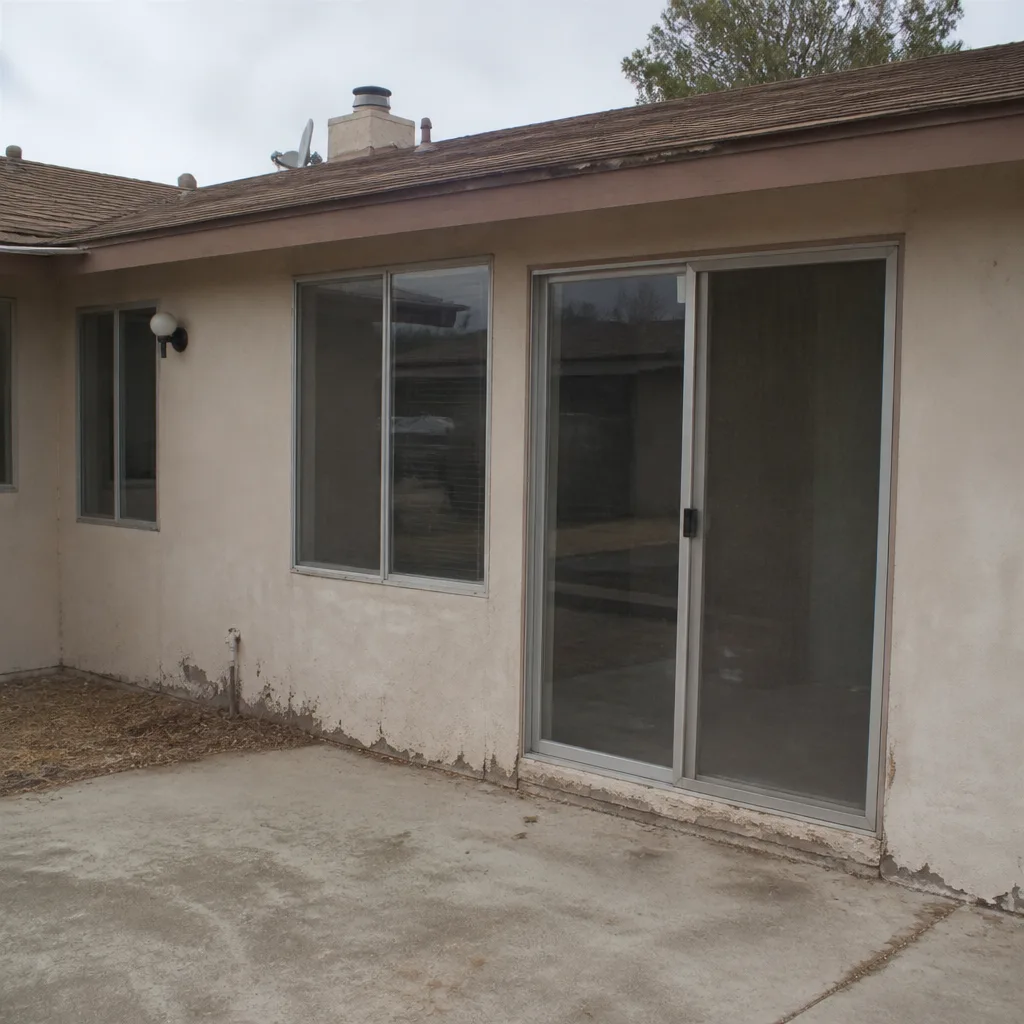 Before
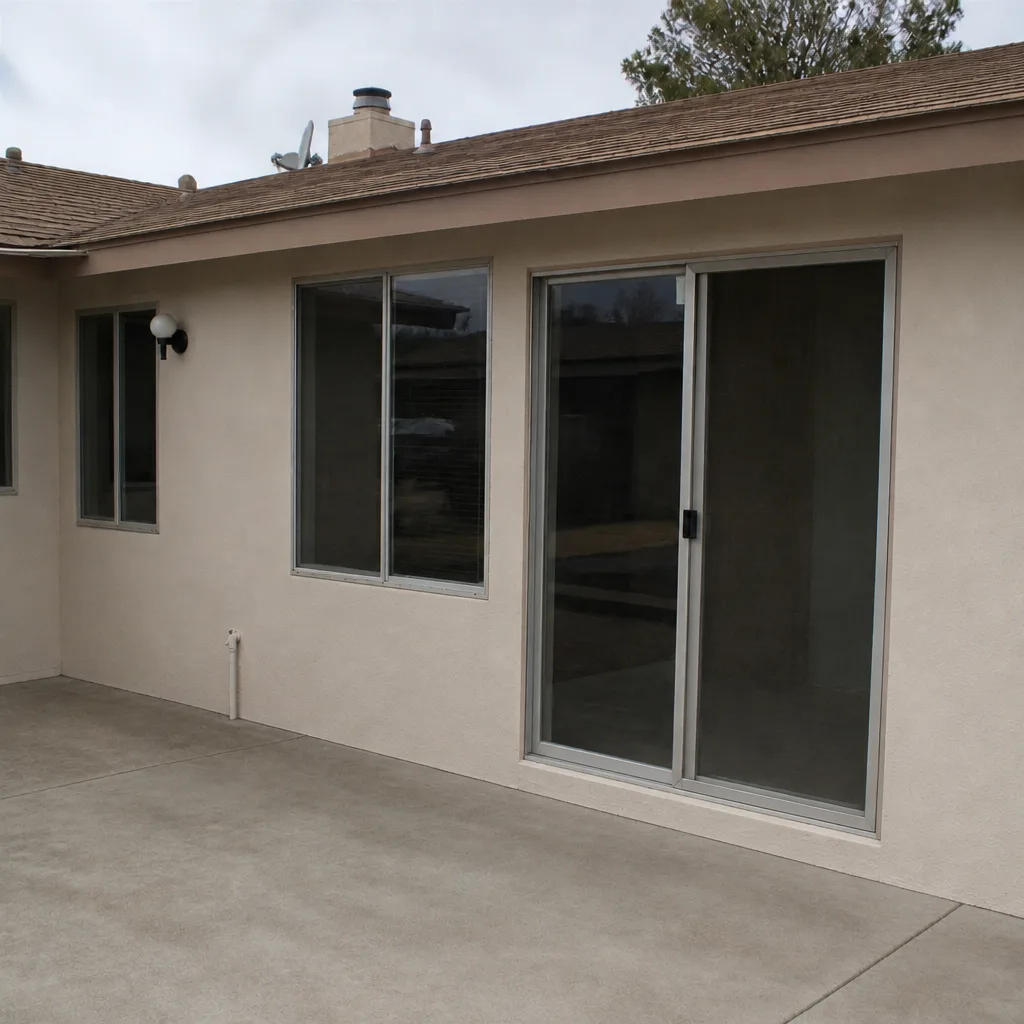 After
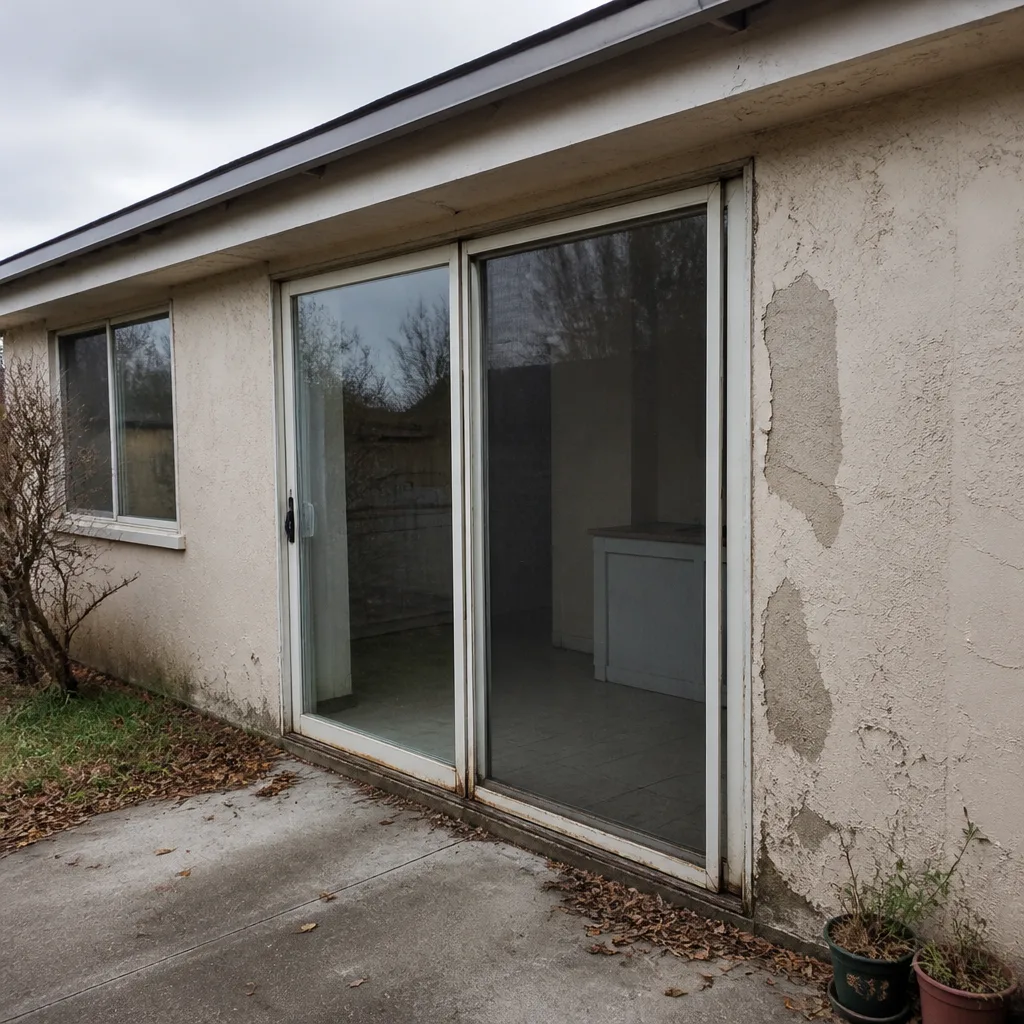 Before
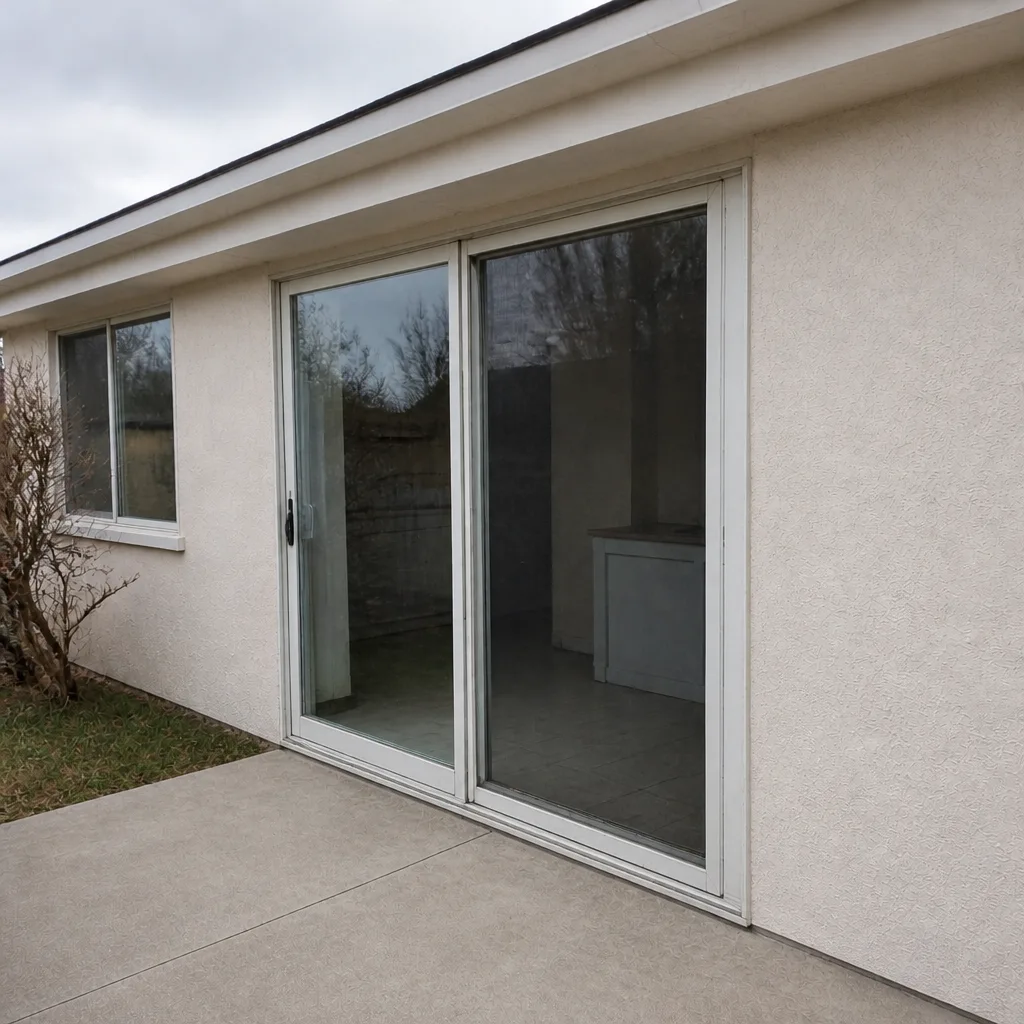 After
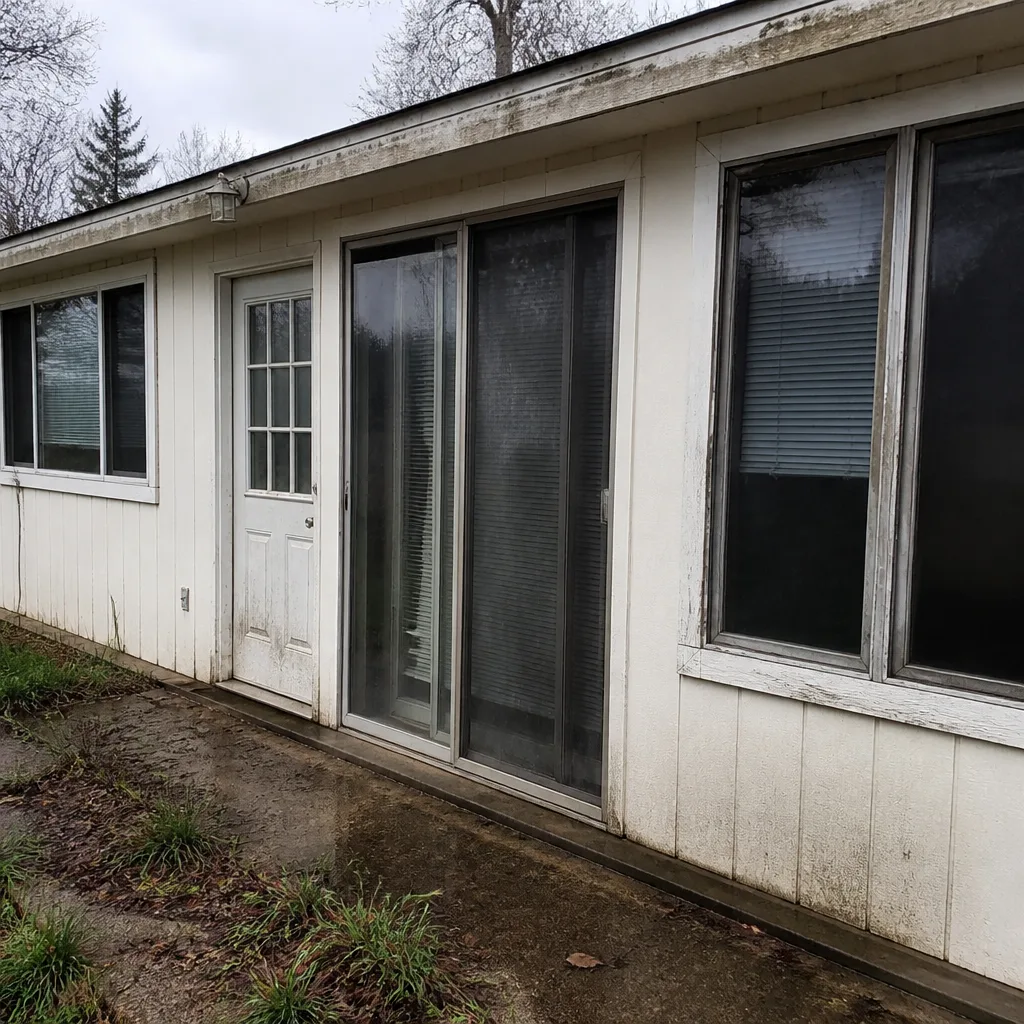 Before
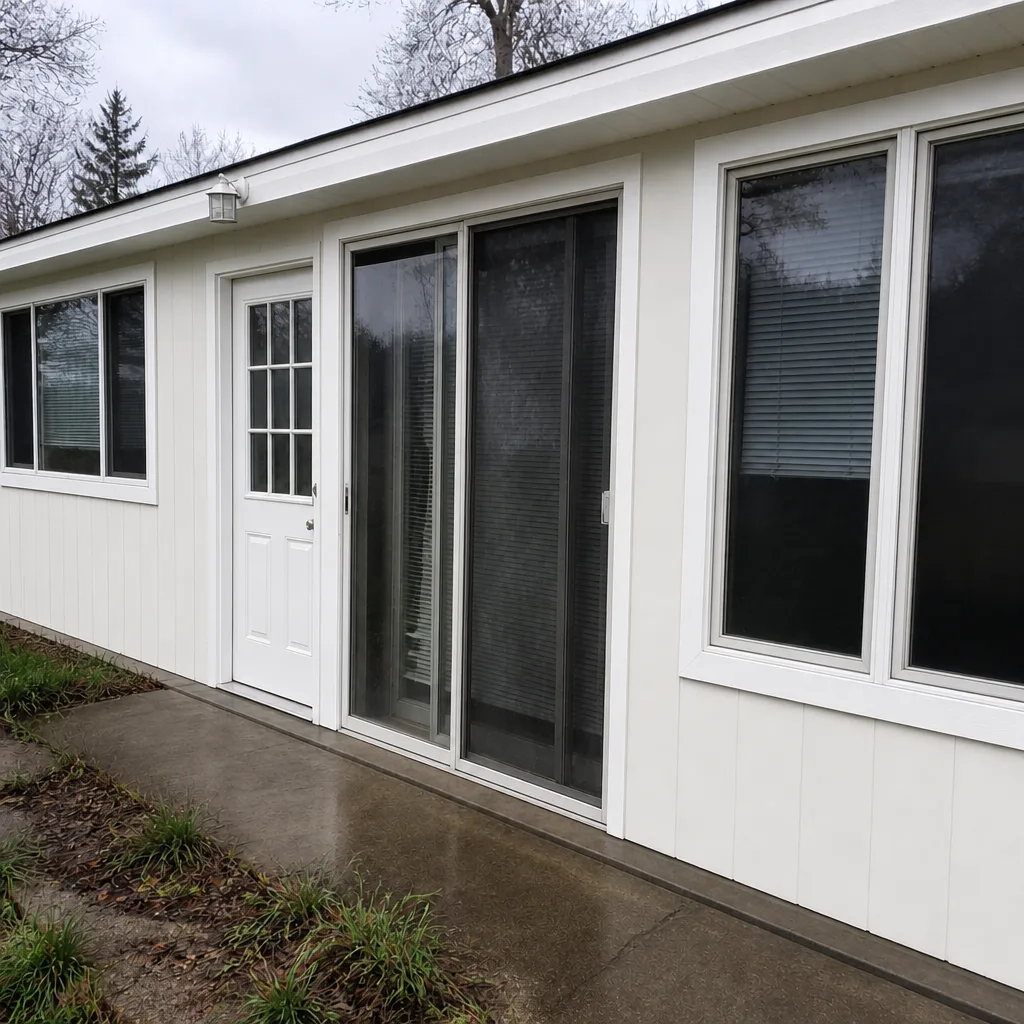 After